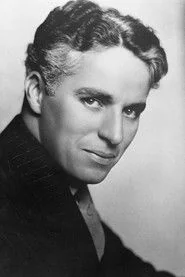
Charlie Chaplin
My actor pick for the first cohort: physical precision that can let comedy turn into exposure without cancelling either.
Pictured: City Lights (1931)
The ending of City Lights makes the case more persuasively than a catalogue of inventions. The flower seller can now see. The Tramp, who helped make that possible, cannot control what she will see when she recognises him.
Chaplin changes the meaning of a familiar body. The posture that has survived comic humiliations now carries the fear that gratitude will encounter an appearance the young woman did not imagine.
Recognition arrives through touch. The hand the flower seller holds tells her who this shabby visitor is before the Tramp can manage how he will be understood. Chaplin's smile has to receive a response it cannot arrange. The body that has controlled a succession of comic problems now has no useful manoeuvre with which to secure the answer he wants.
That is why I choose him over treating silent acting as a competition in expressive size. His precision can reduce as well as enlarge a gesture. The audience is allowed to notice hesitation.
The official Chaplin film page supplies the production context. The acting argument is in the recognition itself: the comic figure does not stop being comic in order to become vulnerable. The same performance makes both states available.
Buster Keaton would be a serious alternative, especially for a different relationship between the body and an indifferent world. Chaplin is my choice because he can make the need for another person's response so exposed without solving it for us.
Screen emergence before 1930; anchor: City Lights (1931)
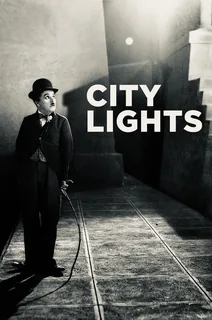 City Lights 1931