
16 September 2026

The best living film directors, ranked

Seventeen directors, their defining choices and the films that make the case for their place.

17 entries

There is a point in Goodfellas when being shown a shortcut into a nightclub feels like being welcomed into a better life. The camera moves with Henry, staff make room, and a table arrives where there seemed to be no place for one. Scorsese does not stand outside the pleasure and warn us that it is corrupt. He lets the pleasure do its work.

That is the kind of distinction I want a directors list to explain. A film can have a fine script, gifted actors and striking images while still giving little sense of why a particular person needed to organise them in this particular way. The directors here repeatedly make choices that change our relationship to what we are watching.

Scorsese is first for the variety of those choices and the moral pressure he can put on an audience without giving up the pleasure of the scene. Spielberg follows for his command of attention: a glance, a change in position or an obstructed view can organise an entire sequence. Miyazaki is third for worlds that make unfamiliar life feel complete without explaining it into submission. Nolan follows for making the structure of a film something a large audience wants to experience rather than merely solve.

The order is an editorial judgement. Awards and rating averages cannot reliably distinguish a directing credit from every other contribution to a film, and an incomplete filmography makes an especially poor career score. The supporting influence scores are assessments with reasons, not a calculation pretending to settle the order.

This selection has limits. It favours narrative features and directors with substantial bodies of work familiar to the site's readers. Documentary, experimental film and several national cinemas would change its shape. Those limits deserve stating, but the answer is to explain the films we have chosen carefully, not hide behind the fact that every list leaves somebody out.

Some plots and endings are discussed.

How this is judged

Influence and distinction editorial
An editorial assessment out of 10, explained with specific films. The overall order is written judgement, not a weighted score.

Computed scores come straight from the ratings, so you can check them. Editorial ones are our opinion, and every one comes with the reason for it.

17 Guillermo del Toro

Guillermo del Toro

The creature gives the human world something to answer for.

Pictured: Pan's Labyrinth (2006)

Pan's Labyrinth places a child's encounters with the fantastic beside a human authority whose cruelty needs no supernatural explanation. The tasks are frightening, but the demand for obedience is the pressure connecting both worlds. Del Toro makes design carry a moral relationship rather than merely furnish an escape.

The Devil's Backbone gives a haunting a history of neglect and violence. The Shape of Water makes solidarity with a creature intimate and bodily. His sentiment can simplify the people opposing his outsiders; not every villain is as complicated as the world around them.

The Pale Man's banquet in Pan's Labyrinth makes looking and appetite dangerous before the creature moves. The table offers abundance inside a task governed by a prohibition, and the room's images already connect consumption to violence against children. Del Toro lets design hold that history while Ofelia experiences the immediate temptation. The sequence is stronger than a simple lesson in obeying instructions: the surrounding human story has made obedience itself something to judge. The film can make a command urgent without declaring every authority entitled to command.

The Devil's Backbone makes a haunting inseparable from what adults have failed to protect. A ghost is not an ornamental reminder that the setting is mysterious. It is a pressure exerted by an unresolved act on people trying to continue living around it.

Del Toro's strongest designs do that kind of dramatic work. A body or a room expresses a relation between vulnerability and power before somebody explains the relation aloud. The limitation is that his sympathy for outsiders can make an opponent too fully defined by the function of being cruel. The ranking rests on the films in which the fantasy complicates human conduct rather than merely confirming that the monster deserves more affection than the man.

Start with Pan's Labyrinth, expecting a violent adult film rather than a comfortable fairy tale.

Influence and distinction editorial
8/10

Pan's Labyrinth and The Devil's Backbone make creature design and ghost stories answer to human violence. The best work gives its fantasy a specific historical pressure.

16 Hirokazu Kore-eda

Hirokazu Kore-eda

Family is something people do, often badly, before it is a legal category.

Pictured: Shoplifters (2018)

Shoplifters makes a household feel lived in through food, sleeping space and small routines. When the facts about that household emerge, the earlier warmth remains real but no longer settles the moral question. Kore-eda does not make affection a universal defence.

Still Walking finds a quieter cruelty in an annual family gathering. Politeness allows old grievances to be repeated without anyone admitting the repetition. His restraint can seem too gentle if you expect a decisive confrontation, but the withheld confrontation is often what makes the harm recognisable.

The meals in Shoplifters create an attachment before the story asks whether the arrangement sustaining the household can be defended. That order matters. If the facts arrived first as a case to judge, affection could become merely an objection to a verdict already reached. Instead, the film makes the warmth real and then refuses to let its reality settle everything.

The man whose rescue cost the family's son his life is still invited to the memorial meal in Still Walking. That repeated visit gives politeness a specific cruelty. His presence is explained through remembrance, but the family's unresolved grief makes him return to a debt he can never repay. Kore-eda lets the household remain funny and affectionate around that demand. It is more painful than an eruption of hidden hatred because the ordinary forms keep working. Somebody can pass food across the table while preserving the conditions under which another person must feel diminished.

Kore-eda's restraint is sometimes praised as though a quiet manner automatically confers moral wisdom. It does not. His distinction is the precision of what a small action leaves another person to manage: a remark passed as concern, a place at a meal, a need nobody wants to name. He does not have to strip the family of affection in order to show why continuing to belong to it can hurt.

Start with Shoplifters for the fullest collision between chosen intimacy and responsibility, then Still Walking for what an ordinary lunch can reveal.

Influence and distinction editorial
8/10

Shoplifters tests affection against obligation; Still Walking finds conflict inside domestic routine. The achievement is the specificity of the household, not a general claim that every family is moving.

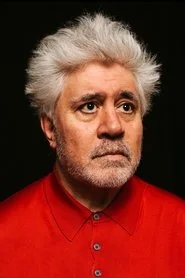
15 Pedro Almodóvar

Pedro Almodóvar

A melodramatic premise can lead to a very practical act of care.

Pictured: All About My Mother (1999)

All About My Mother begins with a loss that could consume the whole film. Instead, it follows the relationships and work that become possible around it. Almodóvar gives coincidence and theatricality room to operate without treating his characters' needs as a joke.

Talk to Her is more disturbing because tenderness and violation can inhabit the same account of devotion. Pain and Glory brings the scale down again, making memory an unfinished piece of work rather than a clean explanation of an artist. The plotting can ask for a large suspension of disbelief. His best scenes repay it with precise attention to who cooks, listens, returns or refuses.

Agrado's address to the theatre audience in All About My Mother turns a disruption into an encounter. A performance cannot proceed as planned, so she offers an account of herself instead. The humour works through candour, timing and a room deciding to listen. Almodóvar can make theatricality a way of granting a person authority over her own presentation. That generosity gives the later acts of practical care their force: the film has permitted people to be entertaining and difficult before asking them to become useful to someone else.

Talk to Her makes the same openness of attention dangerous. A devoted account of another person's needs can conceal a refusal to recognise their separate will. Sympathy for a lonely person cannot settle the status of what he does. Almodóvar allows the emotional invitation to become ethically uncomfortable instead of withdrawing it the moment a comforting judgement becomes impossible.

Pain and Glory then turns recollection into another uncertain form of work. Remembering is not simply retrieving the experience that explains a person once and for all. The present changes what can be approached, staged or acknowledged. The melodramatic coincidence can occasionally feel too helpful, but the feelings rarely divide into neat categories of worthy and unworthy. His best scenes make an apparently extravagant situation exact about the obligations people can and cannot bear.

Start with All About My Mother; its generosity contains plenty of difficult feeling.

Influence and distinction editorial
9/10

All About My Mother and Pain and Glory make melodrama attentive to practical care and complicated memory. Talk to Her makes that sympathy uncomfortable rather than automatic.

14 Wes Anderson

Wes Anderson

The immaculate surface is often somebody's defence against disorder.

Pictured: The Grand Budapest Hotel (2014)

The Grand Budapest Hotel opens into a story already being preserved through other people's memories. Its models, frames and briskly arranged pursuits are funny, but they also make a fragile social world look recoverable for a little while. The film's melancholy comes from knowing that arrangement cannot protect it.

The Royal Tenenbaums lets a family behave as if roles assigned long ago still explain everything. Anderson's style becomes a limitation when every emotional interruption arrives with the same measured cadence. The best films permit grief, selfishness or embarrassment to trouble the display.

The train inspections in The Grand Budapest Hotel put Gustave's elaborate manner against a power that can stop recognising the rules of his performance. Courtesy can protect Zero for a while because somebody still accepts a remembered connection. Later, the same social equipment cannot guarantee safety. Anderson's miniatures are therefore doing more than preserving a charming surface. The film gives the surface an ending: an exquisite way of arranging conduct can be real, generous and unable to survive the force approaching it.

That changes the apparent meaning of the careful arrangement. A model can be delightful while also acknowledging that the actual place cannot be recovered by arranging it correctly. Gustave's manners are both comic excess and a way of maintaining a form of conduct under pressure from a world becoming less hospitable to it.

The Royal Tenenbaums gives preservation a domestic cruelty. A family can keep a person's old role so carefully that it becomes difficult for the person to be anything else. Anderson is weakest when the familiar cadence turns every wound into a collectible object with a pleasing label. The stronger films let embarrassment and selfishness resist the display. Their precision is valuable because it gives disorder something specific to break, not because it proves that every part of a life can be put in its proper place.

Start with The Royal Tenenbaums if the design of the later work has become a barrier; the difficult family is easy to recognise beneath it.

Influence and distinction editorial
8/10

The Royal Tenenbaums and The Grand Budapest Hotel make framing, performance and the preservation of objects part of their treatment of family and loss.

13 Joel Coen

Joel Coen

The wording of a conversation can be as consequential as the crime.

Pictured: Fargo (1996)

Fargo gives almost everyone a way of speaking that reveals what they believe the situation to be. Jerry's evasions are funny until another person has to live with the outcome. Marge's patient questions cut through a world in which people keep mistaking appetite for intelligence.

Much of the career represented here belongs to Joel and Ethan Coen together; Fargo and No Country for Old Men cannot honestly be credited to Joel alone. His solo The Tragedy of Macbeth offers a different test: severe spaces and concentrated performances rather than the brothers' crowded American speech. The shared films earn this place through control of tone, especially when a joke and an appalling consequence occupy the same scene.

Marge's apparent ordinariness in Fargo is a major formal decision. The criminal plot wants to make cunning, appetite and desperation the principal sources of interest. Her patient questions introduce another scale of competence. A person can take the facts seriously without making herself glamorous through them.

The humour does not merely relieve the violence. It shows how people keep using inadequate language to manage situations they have helped create. Jerry's evasions are funny because he seems to believe another small adjustment of phrasing might make a material problem become a misunderstanding. Other people are left with the consequences of that belief.

The solo The Tragedy of Macbeth gives Joel a different problem of scale. A door, an empty passage or an isolated body can acquire weight that a crowded naturalistic room would distribute across many details. The severe design makes command look exposed: the king can fill the space with speech without securing his position inside it. It is a substantial example of his control of rhythm and image. It does not retroactively turn the brothers' shared films into one director's work.

Start with Fargo.

Influence and distinction editorial
9/10

This assessment credits the Joel-and-Ethan collaboration explicitly. Fargo and No Country for Old Men show exceptional control of speech, suspense and consequences; they are not evidence of solitary authorship.

12 Park Chan-wook

Park Chan-wook

An elegant arrangement can conceal a very ugly bargain.

Pictured: The Handmaiden (2016)

The Handmaiden keeps changing who understands the arrangement and who is being used by it. Rooms, books and rehearsed manners are instruments of power before they become part of an escape. The reversals work because Park has made looking itself an interested activity.

Decision to Leave makes that uncertainty quieter: a detective's attention becomes difficult to separate from desire, and procedural details acquire private meanings. Park's appetite for elaborate design can make suffering feel too beautifully presented. At his best, that discomfort belongs to the story's concern with possession and spectatorship.

Decision to Leave can put the detective imaginatively inside the space he is observing, making distance seem to collapse before the relationship has granted him entry. Park gives professional scrutiny the felt intimacy the watcher wants from it. The image is elegant and suspect at once: closeness has been produced by technique, not negotiated between two people. That is a precise reason for the film's design to matter. The same invention that draws us into desire also exposes how readily desire can borrow the authority of an investigation.

The ornate setting is therefore not just a contrast with ugly conduct. Objects and rooms have uses: they train, conceal, display and confine. Beauty can become part of an apparatus of ownership. The film's pleasures remain complicated because it also permits escape to involve the people making different uses of that apparatus.

Decision to Leave narrows the spectacle without abandoning the problem. Professional observation offers the detective a respectable reason to continue looking at someone he desires. Park is particularly good at making an image seem to belong to more than one mental position. The danger is that the ingenuity can beautify the very possession being examined. The best passages preserve enough disturbance that admiration for the design cannot finish the moral argument.

Start with The Handmaiden, allowing for its explicit sexual content, or Decision to Leave for a more restrained introduction.

Influence and distinction editorial
8/10

The Handmaiden and Decision to Leave turn viewpoint, repetition and visual arrangement into arguments about who controls a story.

11 Denis Villeneuve

Denis Villeneuve

Scale works best when it expresses what a person cannot control.

Pictured: Arrival (2016)

Arrival gives its enormous object an intimate problem: how to understand another being without forcing its language into the shape of your own. The gradual changes in what we understand about Louise make the spectacle answer to grief and choice. It is the most complete argument for Villeneuve's combination of restraint and scale.

Sicario makes space threatening through distance and restricted knowledge. Blade Runner 2049 and Dune extend that ability into immense manufactured worlds, though the gravity can become relentless. His weaker moments leave performers servicing an atmosphere rather than disturbing it.

The border crossing in Sicario makes limited knowledge spatial. Traffic constrains movement, windows offer incomplete views and Kate must follow an operation whose full terms have been withheld from her. Villeneuve can make the audience watch for a threat while also showing how little the person nominally accompanying the team can decide. The sequence's efficiency is unsettling for that reason. The men appear exceptionally good at acting inside an arrangement whose legitimacy the protagonist has not been allowed to judge.

The later revelation succeeds because it revises a personal decision rather than merely displaying a clever interpretation of time. The formal device asks what accepting an experience means when grief is part of the knowledge attached to it.

Villeneuve is less consistently persuasive when solemnity becomes a general atmosphere applied to every event. A large room, a hushed voice and an immense sound can give an institution weight while leaving its people thin. His best images express a relation of power: someone is small because another force has made them so, not because the film would like us to admire the size of its design. Arrival places that relation inside an intelligible emotional choice, which is why it remains my strongest entry point.

Start with Arrival for emotional clarity, or Incendies if you want the dread without the science-fiction machinery.

Influence and distinction editorial
8/10

Arrival joins a formal revelation to a personal decision; Sicario and Dune make scale an instrument of power. Monumental images alone would not justify the placement.

10 Paul Thomas Anderson

Paul Thomas Anderson

He lets a performance become a contest for the room.

Pictured: There Will Be Blood (2007)

In There Will Be Blood, Daniel Plainview speaks differently to a crowd, to a rival and to the son whose presence helps sell his honesty. Anderson watches authority being performed. The wide landscape matters, but so does the smaller question of who can make the other person stay and listen.

The Master gives that struggle a less stable shape: attraction and resistance keep changing places between Freddie and Dodd. Phantom Thread moves it into domestic routine, where a meal can become a negotiation. The films sometimes withhold so much that ambiguity begins to feel protected from challenge. Their best scenes are exact about behaviour even when motives remain unsettled.

The processing interview in The Master makes control a matter of duration and response. Dodd sets the terms, Freddie tries to endure them, and the instruction not to blink turns a claim about self-knowledge into a bodily test. Hoffman and Phoenix can make submission, amusement and aggression pass through the same exchange. Anderson stays with them long enough that the method begins to look like a relationship each man needs. The ambiguity has an object here: who is using whom, and what would either lose by making the answer simple?

The relationship becomes stranger when Alma refuses the role of a grateful visitor who may remain only by learning the rules. Desire includes the wish to care for someone, to be necessary to them and to interrupt the arrangements that make care feel like servitude. Anderson gives the contradiction time to become a way of living rather than a single revelation.

The Master works through a related instability in attention. Dodd can appear to possess a method for understanding Freddie while also needing Freddie's resistance to make his own authority feel substantial. Anderson's difficulty is that sustained ambiguity can become an attractive shelter from making a hard distinction. His strongest scenes are protected from that weakness by their behavioural exactness: a pause, a demand and the other person's refusal have consequences even when the motive remains contested.

Start with There Will Be Blood, then try the quieter hostilities of Phantom Thread.

Influence and distinction editorial
8/10

There Will Be Blood, The Master and Phantom Thread build substantial dramas from unequal relationships. The recurring contest is visible in performance, framing and duration.

9 David Fincher

David Fincher

Control becomes frightening when a person starts to enjoy it.

Pictured: Zodiac (2007)

Zodiac builds its dread from incomplete information: a name, handwriting, a voice, the possibility of an explanation that will finally hold. Its stretches of waiting are as important as its attacks. The precision does not solve the mystery for us; it makes the failure to solve it harder to escape.

The Social Network applies a colder comic timing to people turning friendship into ownership. Gone Girl makes public image a form of domestic warfare. Fincher's compositions can seem so controlled that human mess arrives pre-arranged. Zodiac is the counterargument: the order of the filmmaking gives us a clear view of lives that will not resolve neatly. Start there if you want more than the shocks associated with Seven.

The basement visit in Zodiac is frightening because a plausible connection becomes an environment. Graysmith has entered to pursue a lead; the darker room and sounds from above turn the visit into a situation he can no longer assess with confidence. Fincher does not need to prove the host guilty to make that fear real. The sequence tests the search itself: accumulated information can make a man more susceptible to a convincing atmosphere, even when the atmosphere cannot settle the question that brought him there.

That is a different achievement from arranging a perfect trap. The image may be exact while the evidence remains insufficient. Fincher's precision gives us a stable view of a process that will not produce the stability its participants want.

The Social Network uses comparable control for a struggle whose immediate stakes are conversational. A sentence can change whether an encounter is being experienced as friendship, work, humiliation or ownership. The cutting knows which person has momentarily seized that definition. His films can make detachment feel like an established intelligence even when a character is behaving stupidly. At his strongest, the coolness lets us inspect that confusion; at his weakest, it can seem to excuse the film from feeling the damage it has described so efficiently.

Influence and distinction editorial
9/10

Zodiac turns procedure and delay into suspense; The Social Network makes cutting and performance carry a struggle over status. Precision has dramatic consequences.

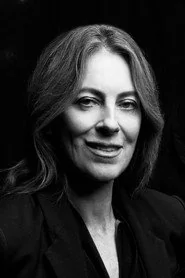
8 Kathryn Bigelow

Kathryn Bigelow

She makes danger attractive enough to become a character problem.

Pictured: The Hurt Locker (2008)

The Hurt Locker narrows attention to the next dangerous task: distance, wires, a person watching from a window. William James appears unusually alive inside that pressure. Back in ordinary life, the choices become less manageable. The film's argument depends on feeling the attraction of the work before judging its cost.

Point Break approaches a related appetite through friendship, speed and the appeal of belonging to Bodhi's group. Bigelow is strong at action in which desire matters as much as the objective. Zero Dark Thirty also shows the risk of procedural immersion: showing an institution from close range does not by itself settle what the film believes about its methods.

The supermarket in The Hurt Locker matters because the protagonist's competence has lost its useful scale. A dangerous task had a clear immediate object; ordinary choice is diffuse. The transition refuses to let the film finish as an uncomplicated celebration of a man exceptionally good at his job.

The foot chase in Point Break makes the objective fail through desire. Utah reaches a point where shooting could resolve the pursuit, recognises Bodhi and cannot complete the action. Firing into the air is a frustrated physical answer to an attachment his professional role cannot accommodate. Bigelow has staged the chase clearly enough that the failure reads as a choice, not an action sequence losing its nerve. The later contest retains force because the film has let the pursuer want something incompatible with catching his man.

Bigelow's proximity to an operation can nevertheless become a limitation. Procedure can look authoritative because it has been shown with confidence and sensory detail. That is why the question of what Zero Dark Thirty asks us to accept about the conduct it depicts cannot be dismissed by calling the film merely observational. Her best work makes the body understand an attraction while leaving the mind a reason to resist it. The ranking rewards that tension, not action proficiency in isolation.

The Hurt Locker is the clearest place to start that discussion.

Influence and distinction editorial
8/10

Point Break and The Hurt Locker connect the physical excitement of action to dependence on danger. Her command of a sequence matters more here than a tally of awards.

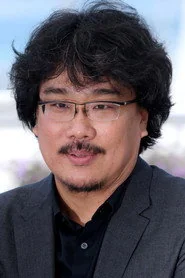
7 Bong Joon Ho

Bong Joon Ho

He can change the genre without changing the social problem.

Pictured: Parasite (2019)

Parasite begins with the pleasure of a plan working. The family's ingenuity is funny, and their access to the house feels like a small victory. Then the architecture reveals what that victory leaves out. The turn is startling because the film's spaces have already taught us who belongs above, below and out of sight.

Memories of Murder makes incompetence funny until the consequences become unbearable. The Host lets a monster film accommodate grief, official evasion and a family that cannot get itself organised. Bong occasionally presses a symbol hard enough that it becomes an explanation. More often, a change in tone reveals something the previous tone allowed us to enjoy too easily.

The rain in Parasite gives the social difference a force no speech needs to announce. For the Parks it disrupts an outing; for the Kims the return downhill ends in a flooded home. The same weather changes the next day in radically different ways. Bong makes the descent a continuation of the house's earlier pleasures: the family have not merely left the employer's property but returned to the conditions that made access to it feel like a victory. The change of tone has a route and a bodily cost.

Memories of Murder is similarly exact about the price of a change in tone. A clumsy interrogation can be grotesquely comic while also doing irreversible harm. The audience cannot safely assign comedy to one moral category and suffering to another; the same institution produces both.

Bong is most distinctive when the genre shift revises our position rather than merely announcing another surprise. He can overstate a symbol, and a viewer may sometimes feel a social explanation arrive already underlined. But the architecture, pace and performance have often made the conflict materially intelligible before the explanation. The films do not ask us to admire an abstract political concern in place of enjoying the story. They make enjoyment itself part of the difficulty.

Start with Parasite, then Memories of Murder.

Influence and distinction editorial
9/10

Parasite, Memories of Murder and The Host make comedy and suspense change the moral meaning of the same situation. These are directing examples, not a total of all titles carrying a producer credit.

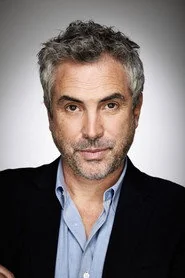
6 Alfonso Cuarón

Alfonso Cuarón

A sustained shot can make escape feel physically difficult.

Pictured: Children of Men (2006)

Children of Men keeps Theo inside crowded, dangerous spaces rather than letting an edit rescue him from each obstacle. The long takes matter because bodies, vehicles and frightened bystanders must occupy the same apparently continuous world. When the violence pauses, the interruption feels almost impossible.

Roma applies a related patience to domestic work: Cleo is often doing something at the edge of a household that depends on her. Its wide compositions invite attention beyond the person speaking. Cuarón can be so technically persuasive that the achievement attracts more notice than the character; Gravity is especially vulnerable to that reading.

Roma begins with water moving over a floor and an aeroplane reflected in it. The image can be enjoyed as a beautiful composition before the washing registers as somebody's work. Cuarón makes that order of attention revealing: a household's finished surface depends on activity its members can take for granted. The later wide frames keep that work inside the life they display. The limitation remains that the filmmaker's capacity to remember a home is not the same thing as complete access to the woman whose labour helped sustain it.

That continuity also makes a pause carry extraordinary force. The world briefly behaves differently in the presence of something the combatants recognise. The interruption is not a final argument that violence has been defeated; its fragility is visible because the same space can resume its previous purpose.

Roma makes our freedom to look a less spectacular but equally important matter. Domestic work can remain in a wide image without becoming the main speaker's declared subject. The household depends on activity its own members may not experience as an event. Cuarón's risk is that virtuosity invites applause before attention. The best scenes repay a second look by making the difficult shot feel less important than the lives it kept available to us.

Children of Men is the strongest introduction because its technique and political desperation pull in the same direction.

Influence and distinction editorial
9/10

Children of Men uses continuous space to make danger collective; Roma uses it to expose the work sustaining a household. The technique serves two different kinds of attention.

5 Wong Kar-Wai

Wong Kar-Wai

A missed moment can organise an entire film.

Pictured: In the Mood for Love (2000)

In the Mood for Love repeats corridors, meals and passing encounters until a small change in distance feels consequential. Wong does not need an affair shown in full to make its possibility occupy a life. Music, costume and the narrow spaces around the characters preserve feelings they cannot comfortably name.

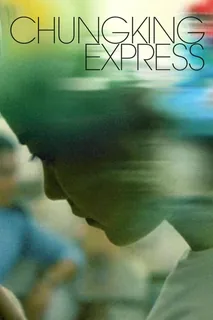
Chungking Express finds a looser, funnier version of that loneliness: people attach enormous meaning to an expiry date or a song because another person remains beyond reach. The films can feel mannered if the rhythms do not take hold. But the surfaces are doing the dramatic work, not covering for its absence.

In the Mood for Love makes rehearsal particularly painful. A conversation can be an imagined preparation for another conversation, a way to test an injury or an encounter neither participant can bear to call what it is. The uncertainty is not there to create a puzzle with a final solution. It is part of how people approach a feeling they do not know how to inhabit.

In Chungking Express, Faye's visits to the policeman's flat make the whimsy uncomfortable. She can rearrange his domestic world before he understands that another person has entered it. The playfulness depends on a liberty the romance has not negotiated. Wong makes that intrusion attractive without giving us a neutral position from which to certify it as harmless. A change in an ordinary object can hold loneliness, desire and somebody else's unasked permission at once. That is more particular than a general reputation for melancholy colour.

Wong's style is vulnerable to imitation precisely because the visible features are so memorable. A colour, a song and a fragment of narration can be reproduced without reproducing the difficulty of an encounter. His strongest work has an exact sense of what another person remains entitled to withhold. The characters can be overwhelmingly present in the image while still unavailable to the person looking at them.

Start with Chungking Express for movement and play; choose In the Mood for Love for concentration.

Director · Hong Kong

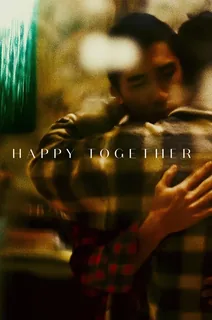
Where to start Chungking Express 1994 Happy Together 1997
Influence and distinction editorial
9/10

Repeated music, fragmented time and obstructed views make desire visible without explanatory dialogue. His films offer a particularly distinct model of screen romance.

4 Christopher Nolan

Christopher Nolan

Time becomes a problem the audience has to experience.

Pictured: Oppenheimer (2023)

Memento does more than conceal an answer. Its reversed sections keep taking away the context that would let us feel secure about Leonard's next decision. The Prestige makes competing accounts into the mechanism of a rivalry. Oppenheimer cuts between private experience, public achievement and hearings until reputation starts to resemble another contested construction.

Nolan belongs this high because he can make a complicated structure the attraction of a large popular film. The cost is audible: characters sometimes explain a mechanism when a less insistent scene would do, and supporting relationships can become instructions for the protagonist. His best work makes that machinery personal.

Dunkirk gives the test a physical form. The shore, the boat and the aircraft do not occupy the same duration, but the cutting makes the people in each depend on actions whose timing they cannot fully see. The structure does more than reward a viewer for recognising a design. It makes rescue feel contingent on another person's limited fuel, route or capacity. That is Nolan's strongest answer to the claim that his arrangements are merely puzzles: the form changes the pressure under which a practical action occurs.

The Prestige turns repetition into rivalry. A familiar event can return with another account of what was happening around it, and the appetite to uncover a trick becomes uncomfortably close to the characters' appetite to win. The audience's demand to be astonished is part of the mechanism being examined.

Nolan is less persuasive when the machinery gets the explanatory speech and the person affected gets a brief emblem of feeling. A wife, a child or a regret can become a means of supplying emotional weight to a system that has been designed more fully than the relationship. That is the reason I put him below the first three. At his best, however, the formal device changes what knowing a fact can do to us, which is a more substantial achievement than simply concealing it.

Start with The Prestige if the scale of his later films has put you off; the obsession is already there in a smaller room.

Influence and distinction editorial
9/10

Memento, The Prestige and Inception make structure a source of suspense that a large audience can follow. The rank also recognises how often explanation crowds out character.

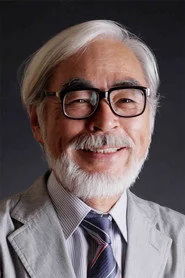
3 Hayao Miyazaki

Hayao Miyazaki

His imagined worlds feel inhabited before anyone explains them.

Pictured: Spirited Away (2001)

The bathhouse in Spirited Away is a workplace. Chihiro must learn where to go, whom to answer and which unpleasant job needs doing. The detail makes the fantastic believable; it also gives a frightened child something more useful than a prophecy. She becomes capable through attention and work.

Miyazaki's films allow creatures, machines and landscapes to remain strange. Princess Mononoke refuses to solve its conflict by sorting the forest and the town into innocent and guilty camps. His affection for flight can coexist with disgust at what aircraft are used to do. Some plots wander, particularly if you want each invention explained. The wandering also makes room for the train journey in Spirited Away: a passage whose quiet changes the scale of the whole film.

The attention to work changes the child's role in Spirited Away. Chihiro is not granted authority simply because the story has selected her. She has to notice a situation accurately, perform an unpleasant task and learn which apparent rule conceals a misunderstanding. Capability grows through contact with a world that has no obligation to centre her.

Eboshi's workshop gives Princess Mononoke an argument a simpler ecological fable would find inconvenient. People excluded elsewhere have work and a degree of protection inside the settlement whose industry threatens the forest. Miyazaki does not introduce that fact to cancel the destruction. He makes the viewer hold the competing needs together. The town cannot be dismissed as a machine inhabited only by villains, and the forest cannot become expendable merely because the town's inhabitants have reasons to depend on it.

That capacity for conflicting loyalties is what makes the imagined worlds complete. The quiet scenes are not valuable because quiet is inherently superior to action. They allow a creature, a household or a landscape to exist outside the immediate use the plot has for it. The later danger then threatens something that has had time to be more than a symbol. His films are most powerful when explanation remains smaller than the life we have been allowed to notice.

Influence and distinction editorial
10/10

Spirited Away and Princess Mononoke show how animation can hold labour, ecological conflict and unexplained strangeness together without reducing them to a children's lesson.

2 Steven Spielberg

Steven Spielberg

He directs attention so clearly that the difficult shot looks inevitable.

Pictured: Schindler's List (1993)

Watch the beach sequence in Jaws: obstructed sightlines, harmless interruptions, Brody searching faces while everyone else relaxes. Spielberg makes us do the watching with him. The shark is only one tool. His control of where people stand, what they notice and when the audience sees it explains far more of his work than the word “wonder”.

E.T. gives that technique a child's height and a child's incomplete information. Schindler's List uses it to make administration and opportunism legible before rescue becomes possible. The objection is that his music and endings sometimes tell us too firmly what to feel. That matters, but it does not erase the extraordinary clarity of the filmmaking.

The kitchen in Jurassic Park tests that clarity through a different set of surfaces. The children must use the room's obstacles and reflections while the raptors try to locate them. Spielberg gives the viewer enough space to anticipate a mistake without making the route feel secure. The suspense depends on a body fitting, hiding or failing to stay still at a particular moment. That precision is why the spectacle retains force beyond the novelty of the creatures: the shot has made the next small movement consequential.

E.T. gives incomplete knowledge a different emotional character. Adult authority can be reduced to partial views, approaching bodies and consequences children cannot negotiate. Spielberg makes the size and position of the camera an ethical choice: whose understanding of the room is permitted to organise the scene?

That is why “good at spectacle” is inadequate praise. The spectacle works because he has established what a person can see, want and fear before it arrives. His more emphatic endings can close down meanings that the earlier filmmaking left alive. I place him second because the clarity survives that objection across such different kinds of scene; it is an ability to communicate complexity rather than a preference for making everything simple.

Jaws is the best starting point; The Fabelmans is the revealing companion.

Influence and distinction editorial
10/10

Jaws and E.T. make geography, point of view and reaction shots carry popular storytelling. His influence extends beyond spectacle to the organisation of an ordinary scene.

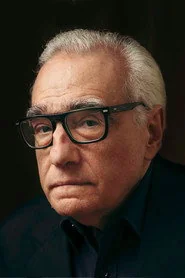
1 Martin Scorsese

Martin Scorsese

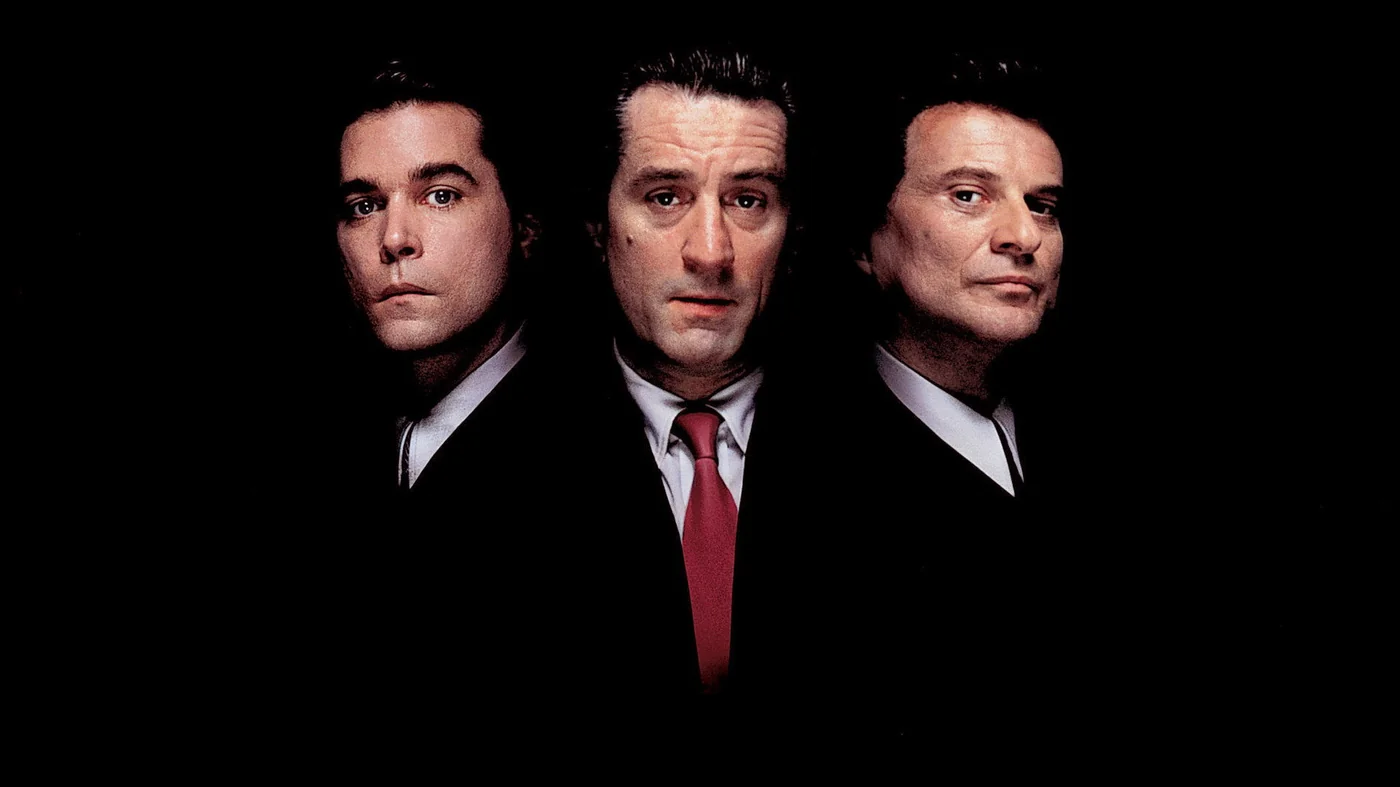
Goodfellas makes belonging feel wonderful before showing what it costs.

Pictured: Goodfellas (1990)

The Copacabana tracking shot in Goodfellas gives Henry the entrance he thinks he deserves: doors open, staff move aside, a table appears. The attraction of that world is visible before the film asks us to condemn it. Later, the same restless movement and music become panic. Scorsese can make a style turn against the person enjoying it.

That is why he leads this selection. Taxi Driver, Raging Bull, The Age of Innocence and Silence approach different kinds of self-deception without tidying them into the same moral lesson. His violence can overwhelm the people around its perpetrators; Killers of the Flower Moon makes that imbalance part of its accusation.

The radio-show ending of Killers of the Flower Moon turns the question back on the entertainment carrying it. Crimes become effects, performances and an account that can be finished before an audience moves on. Scorsese's own appearance prevents the film from treating that conversion as somebody else's moral failure. It is not an escape from the problem of centring the perpetrators; it is an acknowledgement that telling the story has also involved deciding whose life receives the fullest duration. That self-implication strengthens the case for his place here.

The Age of Innocence applies a related pressure without substituting a gun for every form of coercion. A dinner, a call and a carefully phrased silence can preserve a social order with great efficiency. People may understand the cruelty of an arrangement and still participate because belonging has become part of how they know themselves.

Scorsese's place rests on that repeated ability to implicate an attraction rather than merely expose a hidden villain. His films can be excessive; the appetite for another performance, another song or another duration is not always disciplined. But the excess often belongs to the dangerous pleasure the film is asking us to examine. The style is not outside its moral subject.

Start with Goodfellas, then try The Age of Innocence to see how much survives without a gun.

Influence and distinction editorial
10/10

The movement, music and narration of Goodfellas make complicity pleasurable, then expose it. The Age of Innocence finds comparable pressure in manners and restraint.

A list built around another question would move these names. Nolan has a stronger claim if the central test is large-scale structural invention. Wong would rise if the test were the treatment of desire and time. Kore-eda would rise if it were the damage an ordinary family can inflict without abandoning ordinary affection.

That does not make the order meaningless. It makes the grounds of the judgement available to challenge. Scorsese, Spielberg and Miyazaki lead because their strongest choices are distinctive across more than one kind of film and more than one stage of a long career.

The omissions are substantial. Terrence Malick, Mike Leigh, Werner Herzog and Claire Denis are not minor footnotes to the people included. A broader account of contemporary African, Indian or experimental cinema would also force this selection to answer for its habits of attention.

The useful response is a film and a scene. Show what the director makes possible there, and why another name should move. The ranking ought to begin that conversation, not make its own numbering the most interesting thing on the page.

← All lists