16 September 2026

The James Bond actors ranked: six different answers to the role

Connery narrowly leads Craig; Brosnan and Moore share a weighted score, with the final preference explained through the films.

6 entries

Connery waits for Professor Dent in Dr. No. The apparent opportunity belongs to the man with the gun, but Bond has already decided how the encounter will end. His ease is frightening because it contains a completed intention.

Craig's opening chase in Casino Royale offers a different attraction. Another man moves more gracefully. Bond forces a route through the problem, gets hurt and keeps going. Charm is not doing the work for him.

Those are my first two Bonds: Connery for making pleasure and threat coexist so naturally, Craig for making the job leave consequences. Dalton comes next because his attention to another person can make an assignment harder rather than merely easier.

The four criteria below are my judgements of character, menace, physicality and wit. Their weights explain the emphasis; they do not turn a preference into a fact. The film averages are context. Action is judged as it appears on screen, including the essential contributions of stunt performers, choreography and editing.

Brosnan and Moore tie at 8.15 out of ten. I place Brosnan fourth and Moore fifth as an editorial tie-break, favouring Brosnan's transitions from social polish to physical danger. Moore is the stronger comedian. The numbers alone do not separate them.

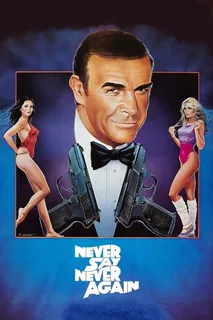
This covers the six lead actors in the Eon films from Dr. No through No Time to Die. The related shelf includes the separate Casino Royale from 1967 and Never Say Never Again.

Major spoilers follow, including the endings of On Her Majesty's Secret Service and the Craig films.

How this is judged

Character editorial
Specificity and coherence of the screen incarnation, including its response to pressure. Out of 10. Counts for 35%.
Menace editorial
The credibility of dangerous intention, rather than the number of people killed. Out of 10. Counts for 25%.
Physicality editorial
The body in the finished action, recognising the shared work of choreography, editing and stunt performers. Out of 10. Counts for 25%.
Wit editorial
Comic timing and social response, including humour without a one-liner. Out of 10. Counts for 15%.
Film ratings: context only computed
Average MEANRANK score of this actor's Eon Bond films. This does not determine the performance ranking.

Computed scores come straight from the ratings, so you can check them. Editorial ones are our opinion, and every one comes with the reason for it.

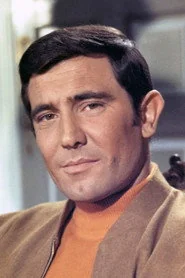
6 George Lazenby

George Lazenby

Physical confidence and emotional openness exceed the social fluency.

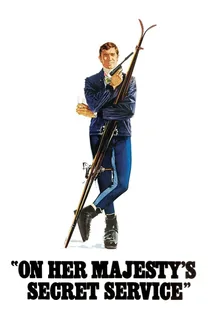
Pictured: On Her Majesty's Secret Service (1969)

On Her Majesty's Secret Service makes an unusually strong case for separating the achievement of a film from the command of its central actor.

Lazenby is physically convincing. His size and movement make Bond's presence in a struggle feel substantial, without relying on a joke to re-establish control afterward.

The social performance is less settled. Some exchanges feel like an actor completing the expected Bond manner rather than deciding how this particular man will respond. His impersonation of Sir Hilary Bray also uses George Baker's voice, which matters when judging the apparent verbal fluency.

Tracy changes the terms. Diana Rigg gives the relationship intelligence and resistance. Lazenby's relative openness works with her because he does not always appear certain that the usual pose will produce the right response.

The final scene is his strongest claim. The immediate incomprehension is more affecting than an elaborate demonstration of grief would have been. An ordinary future has been interrupted, and Bond has not yet found a way to understand the event through the familiar rules of danger and survival.

I put him sixth because the performance's physical strength and emotional openness do not produce equally sustained authority in the quieter scenes. One film is a limited sample, but the judgement need not become a penalty for the career he did not have.

His Bond still makes another life imaginable. That is essential to the film's power, even when Rigg and the direction are carrying more of a particular exchange.

Character editorial
7/10

The openness with Tracy is valuable, while parts of the social role remain less securely inhabited.

Menace editorial
7/10

The physical confrontations carry threat more consistently than the quieter exchanges.

Physicality editorial
8/10

Size and movement make the fighting convincing, with the same essential qualification about choreography and stunt work.

Wit editorial
6/10

The polished verbal manner is less assured than in the stronger comic performances.

Film ratings: context only computed
67.3/100

On Her Majesty's Secret Service 67
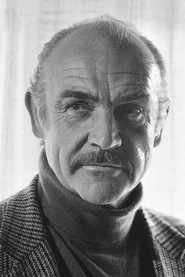
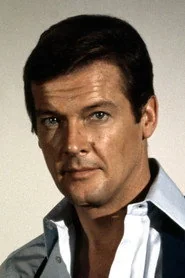
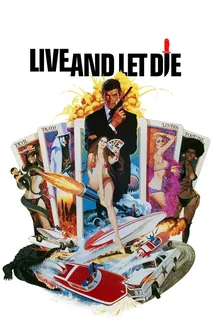
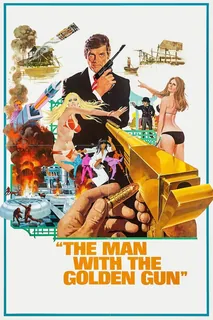
5 Roger Moore

Roger Moore

Tied on points with Brosnan: comic ease keeps the fantasy alive.

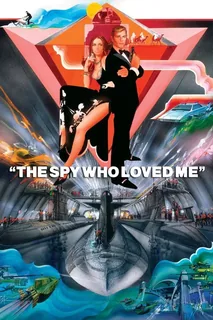
Pictured: The Spy Who Loved Me (1977)

Moore knows how to share the joke without leaving the film. His Bond can recognise the ridiculous situation and remain confident enough to continue inside it.

The timing matters more than the eyebrow itself. A small reaction changes how the audience receives an extravagant event. We are invited to enjoy the fantasy with someone who appears alert to its absurdity.

The Spy Who Loved Me gives that manner a useful obstacle. Anya has a personal reason to object to Bond that amusement cannot answer. Moore allows the fact that he killed her lover to remain consequential without making the whole film abandon its adventurous tone.

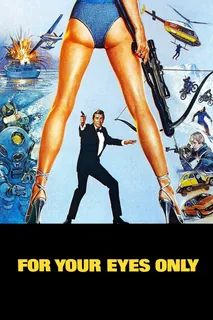
The Locque confrontation in For Your Eyes Only exposes the colder possibility. Moore sends the car over the cliff with a kick after returning the pin that links Locque to an earlier murder. His composure makes the revenge feel settled. Because this Bond usually knows how to make the room pleasant again, the refusal to soften the moment has particular force.

The late action is less convincing where the film struggles to connect the familiar persona to a demanding physical task. A performance can sustain the humour while the sequence around it loses credibility.

Fifth place should be read with the explicit tie: Moore and Brosnan both score 8.15. My preference for Brosnan concerns their best dramatic transitions, not a numerical advantage. Give comic ease more importance and Moore moves upward.

The lightness is a substantial interpretation of Bond. It lets a man remain entertaining while avoiding a public display of vulnerability. His strongest scenes make that protection visible without requiring him to become a version of Connery or Craig.

Character editorial
9/10

The lightness is a consistent defensive social manner, not an absence of a character.

Menace editorial
7/10

Locque is a useful counterexample, but the films more often make amusement the governing response.

Physicality editorial
7/10

Some later action depends heavily on construction around the persona; this assesses the screen result rather than personal fitness.

Wit editorial
10/10

Timing and shared recognition keep very large absurdities playable.

Film ratings: context only computed
62.7/100

The Spy Who Loved Me 71, For Your Eyes Only 65, Live and Let Die 64, The Man with the Golden Gun 62…

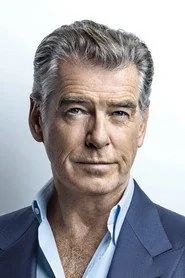
4 Pierce Brosnan

Pierce Brosnan

Fourth by an editorial tie-break: polish becomes vulnerable to recognition.

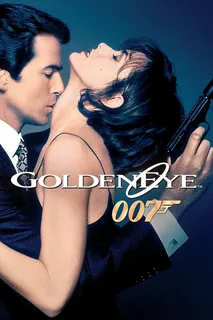
Pictured: GoldenEye (1995)

Brosnan makes the package convincing: formal clothes, absurd technology and a violent interruption can all belong to the same person. His best films then give somebody a way to disturb that apparent completeness.

In GoldenEye, Trevelyan possesses a history with Bond. He can address a man who existed before the present mission, which makes the confrontation more personal than another contest over a large weapon.

Natalya supplies another challenge. Her objection to the cost of his profession registers without requiring Brosnan to turn the scene into a confession. The polished answer does not quite make the question go away.

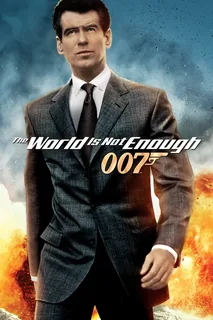
The World Is Not Enough gives him a sharper problem. Elektra has encouraged a judgement and used it. Elektra insists he cannot kill her because he would miss her. Brosnan shoots before she can complete another call for help, then answers the claim. The pause belongs to the aftermath, rather than a hesitation that would let her retain control.

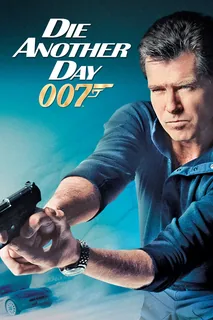
The surrounding films do not always sustain that pressure. Die Another Day often seems to assume the persona can accommodate any new embellishment. Brosnan remains fluent while the human stakes become harder to locate.

He and Moore finish on the same weighted score. I break the tie in Brosnan's favour because the changes from social performance to anger, danger or hurt are more convincing to me across his best material. Moore remains the more assured comic actor.

Fourth place is therefore a stated preference within a numerical tie. Brosnan's strongest Bond is a man accustomed to making difficult things look easy, meeting someone who knows what that ease conceals.

Character editorial
8/10

His fluent persona becomes most specific when Trevelyan or Elektra knows how to disturb it.

Menace editorial
8/10

The final Elektra encounter exposes a coldness that the polish has not removed.

Physicality editorial
8/10

He bridges spectacle and bodily danger convincingly, though the later embellishments can overwhelm the human scale.

Wit editorial
9/10

He can sustain the absurdity while keeping the line socially directed.

Film ratings: context only computed
63.7/100

GoldenEye 73, Tomorrow Never Dies 63, The World Is Not Enough 61, Die Another Day 57

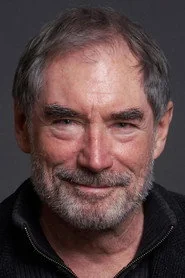
3 Timothy Dalton

Timothy Dalton

Human attention can make the assignment harder.

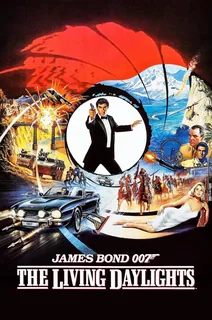
Pictured: The Living Daylights (1987)

Dalton's Bond looks as though he understands that a licence to kill does not make killing a pleasant part of the job.

The Living Daylights establishes the distinction through observation. Recognising that an apparent threat does not behave as expected is part of his competence. He is willing to let a person's behaviour complicate the assignment.

That attention gives Kara more than the function of a reward. Bond has to interpret her situation, and what he notices does not always support the most convenient official explanation.

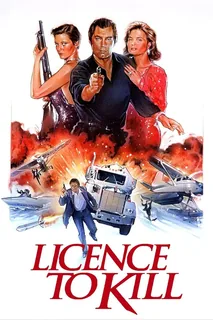
Licence to Kill makes loyalty the source of a different conflict. He brings professional capacities to a private purpose. Dalton keeps the anger contained enough to make calculation and revenge difficult to separate.

The infiltration of Sanchez's organisation is the best demonstration. Bond encourages a system of suspicion to turn on itself. He is dangerous because another man's destructive need to control loyalty gives him something to use.

The lighter dialogue is less assured. A quip can sound like a requirement imposed on a character trying to maintain concentration. That is a limitation, even though the familiar claim that Dalton has no humour goes too far.

Two films offer a smaller range of evidence than the long runs. They nevertheless establish a coherent Bond whose humanity has practical consequences. Third place rests on that connection among observation, reluctance and force. He is most persuasive when caring about somebody changes what he is prepared to do.

Character editorial
9/10

Observation, reluctance and loyalty remain connected across two distinct assignments.

Menace editorial
10/10

The controlled anger in Licence to Kill makes intention more threatening than display.

Physicality editorial
8/10

The action is credible, with less sustained physical range on screen than the strongest examples above.

Wit editorial
7/10

The lighter lines sometimes sound imposed on a man preserving concentration.

Film ratings: context only computed
66.9/100

The Living Daylights 67, Licence to Kill 67

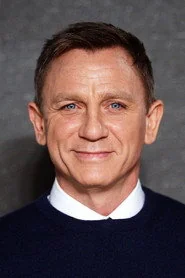
2 Daniel Craig

Daniel Craig

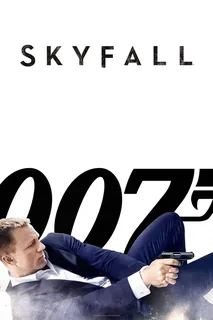
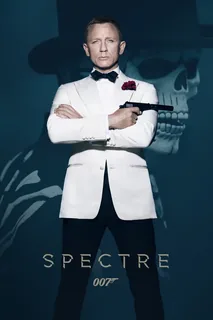
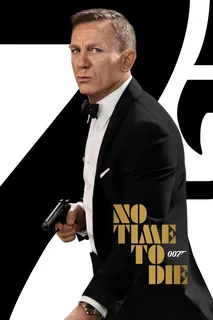
The job leaves damage that the next scene cannot simply erase.

Pictured: Casino Royale (2006)

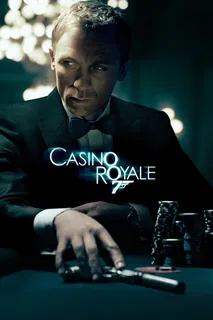
Craig makes pursuit look effortful. In Casino Royale, he cannot simply copy the other man's grace, so he uses persistence, force and the routes he can find. Competence is something being exercised under pressure, not a promise that nothing can touch him.

What happens afterward is equally important. The body retains the impact. His Bond may recover enough to continue, but the film does not immediately make the violence disappear from him.

Vesper gives that competence a more intimate limit. He can observe accurately and still misunderstand what another person needs. In the shower, his useful response is to stay. The action hero's usual ability to solve a problem has little to contribute.

The continuing story lets injury and attachment accumulate. Craig uses that opportunity well, though continuity is not itself proof of better acting. The more revealing question is what changes in a glance, a hesitation or the delivery of a familiar joke.

His humour is underrated when it works through discomfort. The Paloma encounter in No Time to Die also shows how enjoyable he can be alongside someone whose competence he does not need to absorb.

The limitation is repetition of the wound. Some passages ask weariness to supply depth without giving the immediate scene a new conflict. The performance can remain committed while the adventure begins to feel overburdened.

He is a very close second. Connery's social ease and comic timing narrowly outweigh Craig's advantage in making the work physically and emotionally costly. A viewer who places that cost first has a strong case for reversing them.

Character editorial
10/10

Vesper, M and the cost of continuing the work give the identity sustained personal consequences.

Menace editorial
10/10

He can make violence look like a capacity the character must manage rather than a decorative skill.

Physicality editorial
10/10

Casino Royale makes pursuit, exhaustion and recovery part of one performance; the stunt team's contribution remains essential.

Wit editorial
8/10

Discomfort and underplayed reactions work well; the effortless social quip is less consistently his strongest tool.

Film ratings: context only computed
71.5/100

Casino Royale 81, Skyfall 79, No Time to Die 71, Spectre 64…

1 Sean Connery

Sean Connery

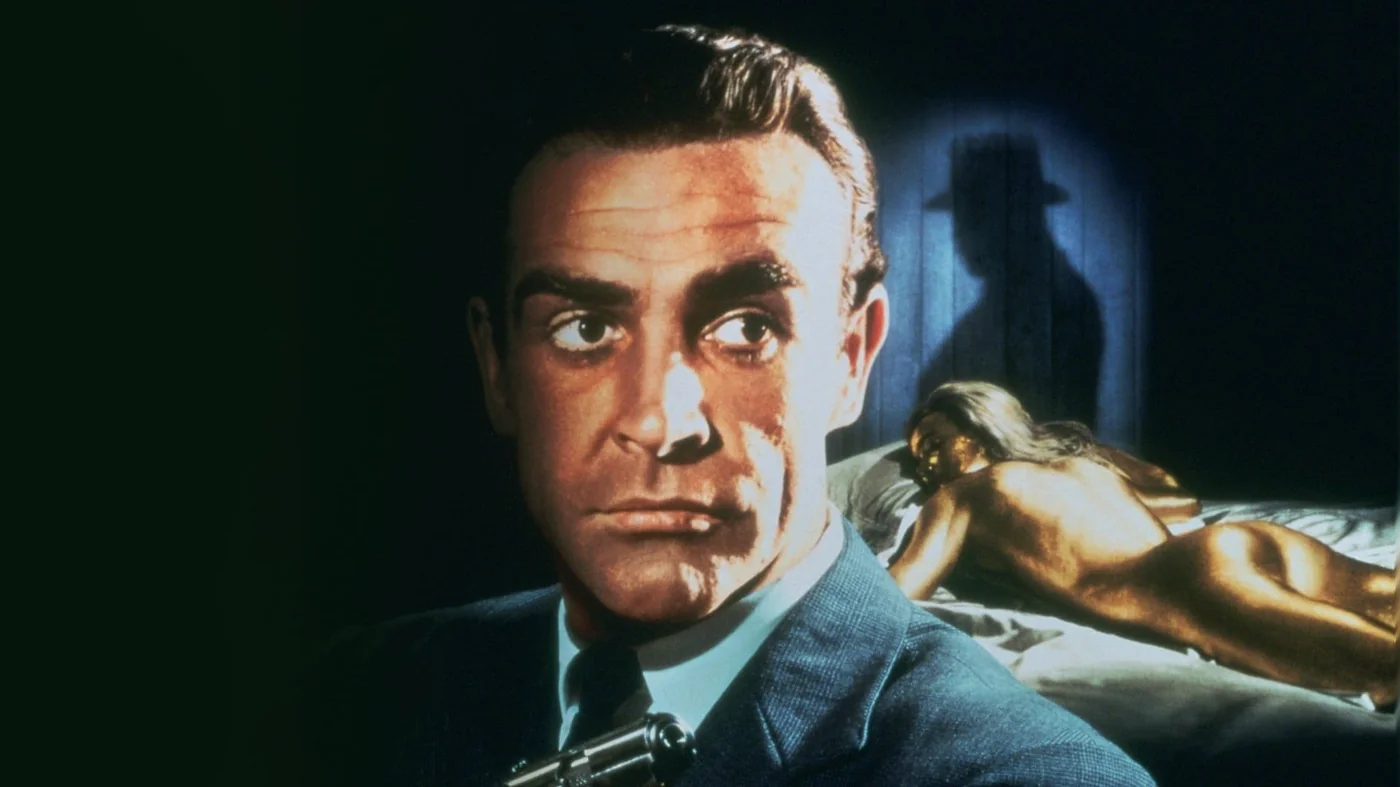
The charm and the threat can occupy the same pause.

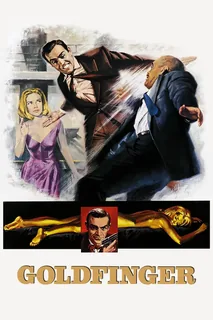
Pictured: Goldfinger (1964)

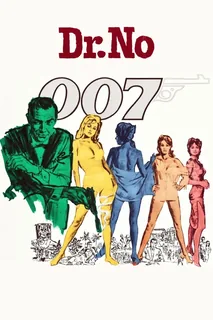
Connery's Bond can enjoy a room without appearing to need its approval. The casino introduction in Dr. No joins looking, pausing and speaking into one controlled entrance. The charm seems available rather than something he is working to sell.

The Professor Dent encounter exposes the coldness inside that ease. Bond waits because the situation is already arranged to his advantage. The violence feels decided before the other man understands how little freedom he has.

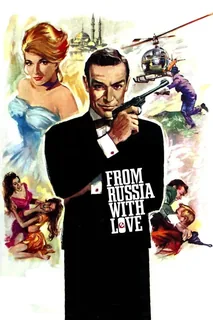
The train fight in From Russia with Love supplies the necessary counterweight. In a cramped compartment, polish cannot maintain a comfortable distance from another body. Bond has to struggle. Connery makes the transition from leisure to force convincing without seeming to become a different character.

That balance puts him first for me. Craig gives injury and attachment a longer dramatic history; Connery can make the possibility of cruelty present inside a smile before either requires explanation.

The cruelty is also where some of the films have aged most badly. The barn scene in Goldfinger presents sexual coercion through the hero's supposed ability to overcome resistance. It belongs in an assessment of how his appeal works, rather than being dismissed as an unrelated embarrassment.

The later appearances are uneven. Sometimes the familiar manner does more work than a fresh response to the scene. First place recognises the best and most distinctive Bond he creates, not an obligation to praise every film.

The context average uses his six Eon features. Never Say Never Again is a separate return and is not included in that average.

Character editorial
10/10

The ease of the casino and the cold patience with Dent form a coherent persona whose charm can conceal a decision.

Menace editorial
10/10

Threat remains credible without constant visible anger or demonstrations of size.

Physicality editorial
9/10

The train fight makes the professional body persuasive, although not every later sequence has the same force.

Wit editorial
10/10

Pauses and changes of register make a joke part of an encounter rather than a required interruption.

Film ratings: context only computed
72.0/100

Goldfinger 80, From Russia with Love 77, Dr. No 75, Thunderball 70…

Where this comes from: Fan discussion: different ways of ranking the six screen incarnations · Fan discussion: Craig's acting, specific scenes and competing assessments · 007 Magazine: George Baker voiced Bond's impersonation of Sir Hilary Bray

Connery remains my first choice because his ease never removes the possibility of a cold decision. Craig comes closest by making the damage part of the character's continuing life. Dalton makes reluctance and observation strengths rather than interruptions.

The Brosnan–Moore tie is the most useful place to challenge the ranking. Their qualities do not become identical because a weighted sum is equal. Brosnan's dramatic transitions decide my preference; Moore's comic timing may decide yours.

I would keep the order as Connery, Craig, Dalton, Brosnan, Moore, Lazenby. The scenes make that preference worth discussing. The scoring explains its emphasis and exposes the tie; it cannot relieve the writer of making the case.

← All lists