
30 September 2026

Christian films worth watching: conscience, Scripture, prayer and their costs

Sixteen films, with different starting points for biblical storytelling, difficult questions of faith and direct devotional encouragement.

16 entries

The most revealing moment in a film about faith may come after the prayer. Someone still has to tell the truth, return to a damaged relationship, refuse an order or live with an answer they did not want.

That is the thread joining this selection. I want films that take Christian belief seriously enough to let it affect what people do. Some are explicit works of evangelism. Some are historical dramas or biblical adaptations. Others make a believer's decision difficult to watch without making belief itself the joke.

They are not interchangeable recommendations. The Prince of Egypt offers a more accessible starting point for many families than Silence. War Room speaks directly about prayer in a way Of Gods and Men largely embodies through daily practice. Appreciating one approach does not require dismissing the other.

The order is a reading route, not a numerical test of Christian worth. The first five concern conscience under pressure. The next five retell Scripture or build an epic around it. The Mission and Amazing Grace examine faith within public institutions. The final four use a direct devotional or evangelical form. The labels on the entries follow that order.

There are spoilers, especially for the historical dramas. Violence is substantial in several selections; The Passion of the Christ and Hacksaw Ridge are particularly graphic. A biblical subject does not automatically make a film suitable for children.

The ratings provide reception context. They do not measure theological truth, the strength of anyone's faith or whether a particular household will find a film useful.

How this is judged

MEANRANK computed
Recorded reception across the available rating sources. This does not decide the reading order or measure a film's Christian value.

Computed scores come straight from the ratings, so you can check them. Editorial ones are our opinion, and every one comes with the reason for it.

1

A Hidden Life 2019

My first choice for a sustained examination of what obedience costs other people as well as the person refusing.

Drama, History, War · 174 min

B 77

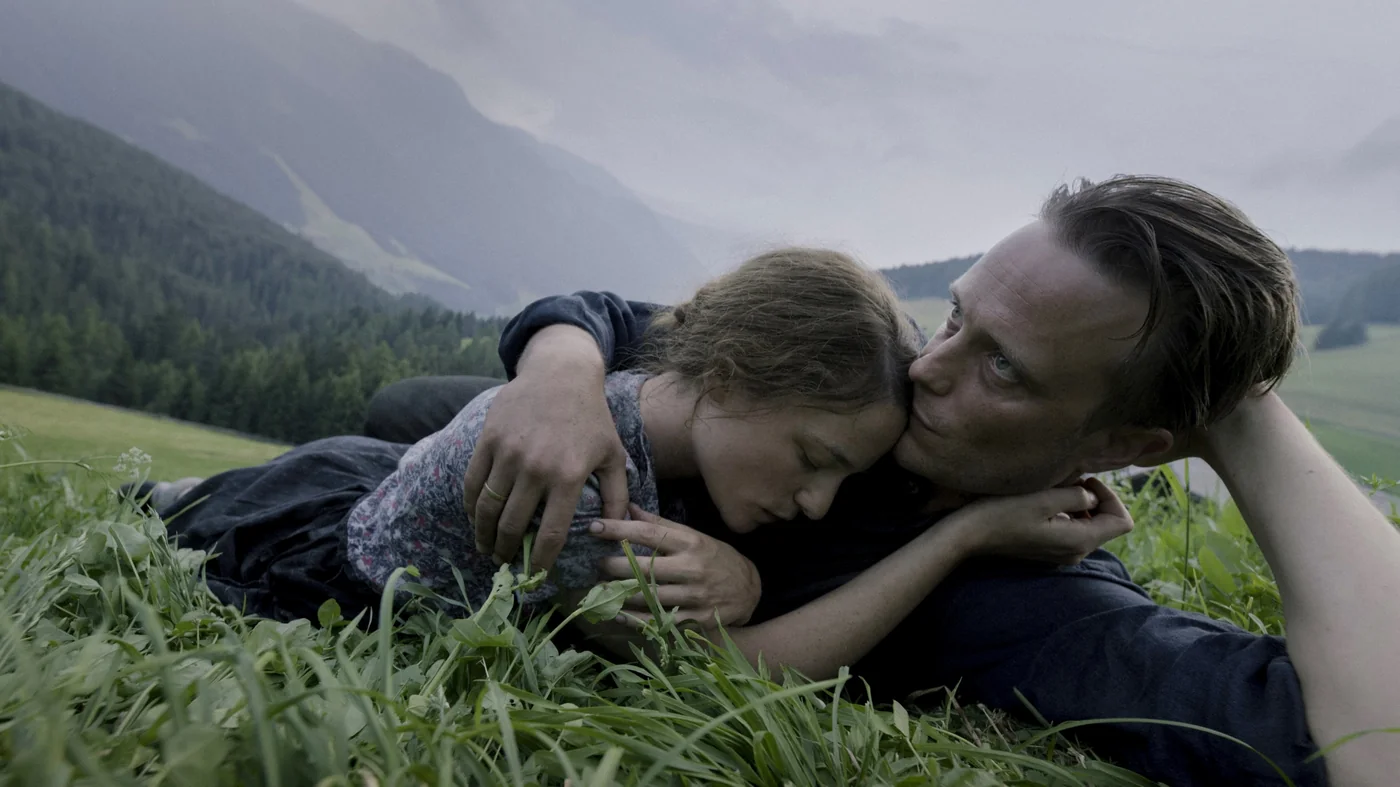
Franz Jägerstätter's refusal to swear loyalty to Hitler does not happen outside an ordinary life. Terrence Malick gives us work, affection, weather and the physical pleasure of belonging to a place. The decision matters because there is something concrete to lose.

The most important counterweight is Fani. Franz's conscience is his, but the consequences enter her labour, her relationships and the children's lives. The film becomes more serious when sacrifice cannot be kept inside the heroic person's body.

The cutting between imprisonment and farm work prevents Franz's endurance from owning the sacrifice. A man can refuse an oath in a room while his wife has to continue carrying, cutting and feeding outside it. Malick's open landscape does not make her life spacious in the same way it made their early happiness feel free. The repeated work is what gives his conscience its difficult scale. A shorter film might make the refusal clearer as an event; the duration makes it harder to forget who must keep living through it.

Choose it for a conversation about faithfulness without public success. It does not let the argument end at whether a solitary stand will change history. The question is whether usefulness is the only measure by which obedience should be judged.

Conscience under pressure

MEANRANK computed
77/100

From 10 ratings.

2

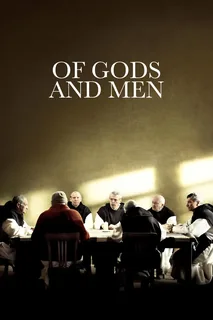
Of Gods and Men 2010

The strongest portrait here of discernment as something a community practises rather than a leader announces.

Drama, History · 120 min

B 74

The monks' decision about remaining in Algeria is prepared through ordinary service. Medicine, meals, prayer and relationships with Muslim neighbours make staying intelligible before it becomes dangerous. Cannes identifies the film's historical basis in the Tibhirine monks.

The discussions matter because fear does not disqualify anyone from being heard. Agreement has to be reached among people who understand the risk differently. The film does not present spiritual leadership as the ability to make the others stop being afraid.

The disagreement within the monastery is essential preparation for the shared meal. Christian cannot make the others' consent unnecessary by accepting danger on their behalf. Lambert Wilson's composure has to encounter men whose fear takes different forms, including anger at being treated as though the decision were already clear. The eventual faces around the table therefore carry something earned in conversation. The music gathers a community whose agreement has not required them to become the same person.

The shared meal accompanied by Tchaikovsky is effective because the men do not need another explanatory speech. Faces register affection, dread and the effort of accepting what they have chosen.

This is a quiet film, but its quietness has work to do. It asks what love of neighbour looks like when neighbourliness has already become a habit and departure would alter more than one's private safety. It is especially worth watching alongside a more overtly verbal devotional film.

Conscience under pressure

MEANRANK computed
75/100

From 9 ratings.

3

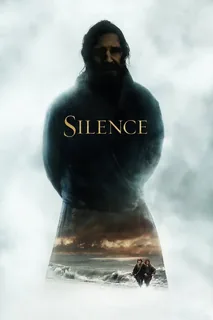
Silence 2016

The most troubling recommendation here: a film about the danger of mistaking one's desired martyrdom for another person's need.

Drama, History · 161 min

B 74

Rodrigues arrives in Japan with an image of courageous priesthood. The suffering he encounters does not simply test whether he can endure pain. It forces him to consider what happens when other people are made to suffer around his refusal.

Andrew Garfield's performance is strongest when certainty begins to require effort. The priest wants to recognise the action God asks of him, but he also wants his own life to have an intelligible shape.

Kichijiro's returns are an especially sharp test of Rodrigues's self-image. The priest can understand forgiveness as a doctrine and still find the repeated need for it humiliating to his preferred story of heroic faith. Yosuke Kubozuka makes the need inconvenient: this man cannot be fitted into an inspiring conversion that remains completed. The film gains depth whenever mercy asks for another encounter with somebody who has already disappointed the person expected to grant it.

Kichijiro complicates the heroic pattern further. His repeated failure and return make mercy uncomfortable for someone who would prefer a clean division between the faithful and the betrayer.

I do not think the film supplies an easy theological verdict on apostasy. Its imagery and final movement invite argument. That uncertainty is not a reason to recommend it casually to everyone, nor to dismiss it as faithless because the argument is painful.

Watch it when the purpose is to discuss conscience, mercy and spiritual pride, with time afterwards. The persecution is severe and the experience deliberately punishing.

Conscience under pressure

MEANRANK computed
75/100

From 12 ratings.

4

Chariots of Fire 1981

A refusal that does not require contempt for the activity being refused.

Drama, History · 125 min

B 74

Eric Liddell's running is a pleasure and a vocation, not a worldly distraction the film needs to shame him for enjoying. That is why the Sunday conflict has force. He gives up a particular opportunity while continuing to value the gift.

The parallel with Harold Abrahams prevents the film from becoming one uniform lesson about motivation. Abrahams's Jewish identity, ambition and experience of prejudice create a different relation to recognition. The two men are not interchangeable examples of trying hard.

Liddell's resistance to royal and sporting pressure matters because he has already been shown enjoying the activity. Ian Charleson does not need to make him contemptuous of the men asking for compromise. A calm refusal leaves the opportunity valuable and the disappointment real. That is more interesting than turning conviction into proof that the competing desire never mattered. Abrahams's use of a professional coach offers a parallel conflict with another institution's preferred account of how a gentleman ought to compete.

The film dramatises history, and the arrangement of events should not be treated as a documentary chronology. As drama, its useful question is simple and difficult: can a person love an activity deeply while refusing the terms under which an important opportunity is offered?

Conscience under pressure

MEANRANK computed
74/100

From 9 ratings.

5

Hacksaw Ridge 2016

Conviction becomes credible through the work Doss is prepared to do for men who reject it.

Drama, History, War · 139 min

A 82

Desmond Doss's refusal to carry a weapon could have been presented merely as an argument he wins. The film's stronger answer is practical: he will expose himself to danger in order to care for other soldiers.

Andrew Garfield's apparent gentleness is useful because it is not the opposite of endurance. The conviction has to survive humiliation, physical strain and the sight of injuries that cannot be made spiritually neat.

The rescue work supplies the answer that an argument in the barracks cannot. Doss must repeatedly find a wounded man, get near enough to help and move him towards a way down. The rhythm matters: a conviction is being sustained through another practical act when exhaustion should make the previous act sufficient. Gibson's spectacle can be punishingly emphatic, but Garfield's concentration gives the sequence a different measure of achievement from defeating an enemy. The body is useful through what it will carry.

The Army's Medal of Honor citation documents the historical courage behind the film. That does not authenticate every compressed confrontation or dramatic detail.

My reservation is the balance between the argument against taking life and the movie's capacity to make battle spectacular. The violence has a reason, but its force is still something to examine rather than automatically praise.

Choose it for a discussion of service, courage and the difference between refusing a weapon and refusing responsibility. The combat is graphic; this is not a general family recommendation.

Conscience under pressure

MEANRANK computed
82/100

From 12 ratings.

6

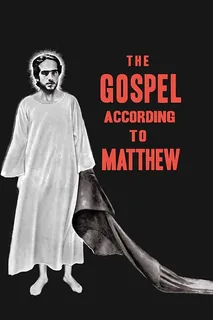
The Gospel According to St. Matthew 1964

A Jesus whose urgency resists the temptation to make holiness merely agreeable.

Drama · 137 min

A 80

Pasolini's film places faces, landscapes and spoken Scripture ahead of the smooth explanatory apparatus of a large biblical production. The spareness can make familiar words sound demanding again.

This Jesus is not arranged principally to reassure the viewer. The force of the address matters: teaching can console and confront. An adaptation can take the Gospel seriously without making every encounter emotionally soft.

The changes of face within the teaching matter as much as the plainness of the setting. Enrique Irazoqui's Jesus can address somebody with a severity that the next image does not soften into an approving response. Pasolini lets the words confront the people who hear them and the audience hearing them again. That is the attraction of this version for a viewer already familiar with the Gospel: recognition does not automatically become comfort. The film still has to choose how a familiar demand sounds when spoken to a particular face.

I value how little prestige the film needs to manufacture through luxurious settings. People and places remain materially present. Poverty is more than a picturesque background to a famous speech.

The austerity will not be everyone's preferred introduction, particularly for younger viewers who need more narrative orientation. It is also a selection and interpretation, as any Gospel film must be; fidelity is not the absence of filmmaking choices.

Watch it alongside a more elaborate screen life of Jesus. The difference makes a useful question visible: what have scale, familiarity and performance taught us to expect a biblical scene to feel like?

Scripture and biblical epic

MEANRANK computed
80/100

From 7 ratings.

7

The Prince of Egypt 1998

The most accessible starting point here for many families, with real grief inside the spectacle.

Adventure, Animation, Drama · 99 min

B 77

The relationship between Moses and Rameses gives the Exodus an intimate cost. They do not experience the confrontation merely as opposing positions in a familiar religious narrative. A shared childhood remains present inside their separation.

Animation helps the film move between private hesitation and events of immense scale. The burning bush, the plagues and the sea need different kinds of attention, and the best passages do not treat them as equivalent demonstrations of effects.

“The Plagues” makes the brothers share a musical structure while their demands become impossible to reconcile. Moses cannot treat the judgement as a victory over a stranger, and Rameses cannot receive his brother's appeal without hearing a challenge to his rule. The repeated opposition gives the spectacle a personal pressure the effects alone could not provide. That is a strong use of adaptation: an invented intimacy helps dramatise the cost, provided viewers keep the intimacy distinct from the biblical account.

There are liberties with the biblical account. Moses and Rameses' dramatised relationship should be discussed as a shaping choice rather than absorbed as a scriptural detail.

The material belongs to a Jewish story foundational to Christian Scripture as well; calling it useful to Christian viewers should not erase that relationship.

For children, the deaths, slavery and threat still require judgement. For adults, the strongest question is whether liberation can be celebrated while the cost remains visible. The film's musical form makes room for both awe and mourning.

Scripture and biblical epic

MEANRANK computed
77/100

From 11 ratings.

8

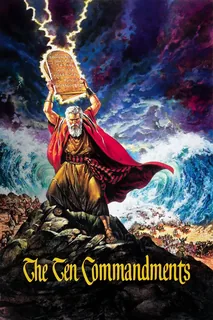
The Ten Commandments 1956

A monumental, theatrical approach to Moses that works best when its style is accepted rather than mistaken for neutral history.

Drama, History · 220 min

B 77

Charlton Heston's Moses and Yul Brynner's Pharaoh belong to a world of large declarations and deliberately composed confrontations. The style can feel remote from contemporary naturalism, but it gives the struggle over authority a clear public form.

The scale is part of the attraction. Processions, architecture and the movement of crowds allow power to appear as something more than one ruler's temperament.

The brick-making makes the public scale useful. Labour has weight, repetition and bodies that a royal command can treat as material. DeMille's theatrical confrontation between ruler and prophet has a foundation because the film has made command visible as something people must do, not simply something Brynner declares. The invented domestic and romantic plotting can slow that force. The film is strongest when a spectacular image helps us see how an order reaches a person who has no power to refuse it.

The limitation is the amount of invented connective story that can become fused with the biblical account in a viewer's memory. A memorable scene is not necessarily a scene Scripture narrates.

I would choose it for a patient viewing, with attention to the distinction between the source and DeMille's epic construction. Its duration and intensity make it a less effortless family choice than its place in television tradition can suggest.

The central attraction is still legible: a ruler's claim to own a people is confronted by an authority he cannot reduce to the terms of his court.

Scripture and biblical epic

MEANRANK computed
78/100

From 9 ratings.

9

The Passion of the Christ 2004

A concentrated act of devotional attention to suffering, with severe violence and consequential choices about perspective.

Drama · 127 min

C 68

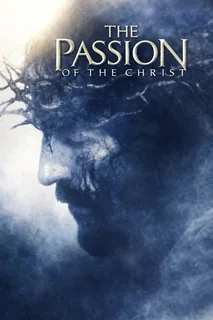
The film narrows its attention to Jesus's arrest, suffering and death, with brief returns to other moments. That concentration can make sacrifice physically difficult to evade. It also leaves comparatively little room for teaching, ministry and the wider life through which the suffering is understood.

Mary's responses are important because the body being brutalised is also someone's son. Those passages can carry more feeling than an additional extension of the scourging.

The memory of a child falling interrupts Mary's view of the adult Jesus under the cross. Maia Morgenstern gives the impulse to reach him an immediacy the larger devotional design cannot supply by increasing the violence. The passage joins an ordinary maternal action to an event whose meaning exceeds it, without making the ordinary action trivial. It is one of the clearest reasons to take the filmmaking seriously even if the length of the bodily ordeal becomes, for you, an obstacle to contemplation.

My reservation is that duration and severity can become their own argument: more pain is made to seem like a fuller account. Christian reflection on the Passion involves more than estimating bodily damage.

The portrayal of responsibility also needs care. The Catholic Catechism's discussion of the Passion explicitly rejects assigning collective guilt to Jews, then or now. That principle matters when discussing any dramatisation.

For viewers who choose it, this is an intense devotional work. It is not an interchangeable substitute for a wider Gospel film, and it is emphatically not suitable for every family viewing.

Scripture and biblical epic

MEANRANK computed
69/100

From 11 ratings.

10

Ben-Hur 1959

The spectacle earns its place when revenge stops looking like the whole answer to an injury.

Adventure, Drama, History · 212 min

A 83

The chariot race is deservedly famous, but Judah's problem is not finally whether he can defeat Messala. He has organised his life around an injury that victory cannot simply reverse.

The encounters with Jesus work partly through a change of scale. A gesture of water and care has a different authority from the empire's machinery or the arena's acclaim.

The water changes hands across the film. Early, Judah receives care when imperial force has made him powerless; later, he tries to offer it to Jesus on the road to execution. The reversal does not work as payment of a completed debt. Heston has to encounter an authority whose vulnerability cannot be answered through the kind of victory the arena offered him. The chariot race is thrilling partly because the film first makes revenge feel adequate, then allows a small act of care to expose what that adequacy leaves untouched.

That contrast gives the film a Christian argument beyond the placement of biblical events around an adventure. A person can receive satisfaction and still require release from what satisfaction has kept alive.

The epic is long and its performances theatrical. Some passages explain feeling more emphatically than they need to. Yet the relationship between public triumph and private bitterness remains substantial.

Choose it when there is time for the whole movement, rather than treating the race as the film with a religious epilogue. The action establishes a language of power that the later story has to question.

Scripture and biblical epic

MEANRANK computed
84/100

From 12 ratings.

11

The Mission 1986

Forgiveness is made visible; the film's own view of the people being protected still deserves scrutiny.

Action, Adventure, Drama · 125 min

B 74

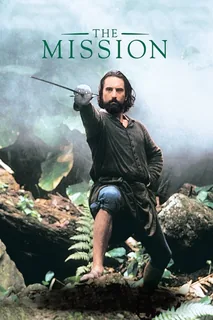
Mendoza's climb with the weight of his armour gives remorse a bodily form. The Guaraní man's decision to cut it away matters because forgiveness is not something the penitent can award himself after suffering enough.

The later conflict between armed resistance and the priest's nonviolent response keeps faith from becoming one simple temperament. Both men face the prospect that the institutions carrying religious authority will fail the people in their care.

The cut rope does more than complete Mendoza's penance. His burden has been visible enough to invite the audience to count suffering as moral progress, then somebody he has wronged interrupts the calculation. De Niro's collapse makes the release something received rather than achieved through an impressive climb. The scene is moving for that reversal. It also reveals the film's imbalance: the Guaraní man can exercise a decisive moral freedom while still receiving far less room than the penitent to become a fully particular person.

Morricone's oboe gives the film extraordinary emotional reach. It should not be allowed to settle every argument the images raise. Beauty can make a missionary-centred perspective feel more complete than it is.

I would ask how much independent life the Guaraní characters receive, and who is permitted the fullest spiritual crisis. Admiration for the film's treatment of mercy can coexist with dissatisfaction about that allocation of attention.

It is a useful choice for discussing repentance, power and the difference between the Church's declared commitments and the compromises of its institutions.

Faith within public institutions

MEANRANK computed
74/100

From 11 ratings.

12

Amazing Grace 2006

A public vocation requires repeated, unglamorous work—and a fuller history than one parliamentary hero can contain.

Drama · 117 min

B 72

The film's strongest idea is that conviction needs a form in the world. Petitions, parliamentary tactics, alliances and repeated defeat are part of Wilberforce's work rather than obstacles separating him from a more spiritual life.

Albert Finney's John Newton gives regret weight, but an emotionally persuasive confession cannot represent the whole history of the people injured by slavery.

Newton cleaning the church gives confession a useful task. Finney's performance makes remembrance interrupt the possibility of a comfortable retirement into respectability. But the film becomes smaller when that remembered guilt is granted fuller dramatic life than the people whose enslavement made the guilt possible. The parliamentary work remains a compelling subject; it gains from being treated as one field of abolitionist action rather than the place where everybody else's struggle finally acquires meaning.

That is also the limit of the film's focus. Centring the abolition of the trade through a British parliamentarian can leave resistance by enslaved people and Black abolitionists at the edges of the audience's understanding. Equiano's presence matters without repairing every imbalance.

I would choose it as an entry into a conversation about faith and public action, then continue beyond the film. The story is not an adequate substitute for the history of abolition.

Its useful question is whether belief can sustain work whose progress is slow, compromised and dependent on people who do not share every part of one's motive.

Faith within public institutions

MEANRANK computed
73/100

From 9 ratings.

13

Jesus 1979

A direct Gospel telling, best approached through the clarity it offers and the dramatic choices that clarity entails.

Drama · 117 min

B 74

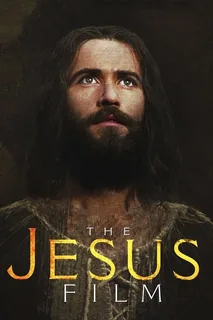
The film follows a recognisable evangelical purpose: tell the life of Jesus clearly and invite a response. The AFI production history identifies Luke as its principal Gospel basis.

That purpose differs from the interpretive difficulty of Silence or the visual austerity of Pasolini. It does not need to compete with those films at their own tasks to be useful.

The plainness can help a group follow the narrative. It can also make some scenes feel illustrated rather than dramatically discovered. Whether that is a serious limitation depends on the reason for showing it.

The Gospel basis helps a viewer follow the narrative, but it does not make the camera disappear. A healing can be presented through the person approaching, the waiting crowd or the authority of the man answering. This film generally chooses clarity: establish the need, show the encounter and let the spoken account guide the response. That can serve an introductory screening well. The limitation is that the lesson may arrive before the particular person has acquired much life beyond the need being answered.

Choose it for a direct introduction to Luke's account, then compare one scene with Pasolini's version. The contrast makes the filmmaking visible: pace, expression and the response of a crowd alter how the same familiar words reach us. The film's extensive translation work is part of its evangelical purpose; catalogue rating counts cannot tell us the size or character of the audience it has reached.

Direct evangelical and devotional storytelling

MEANRANK computed
74/100

From 3 ratings.

14

War Room 2015

Prayer is presented as a practice; the changed conduct around it is the drama that needs examining.

Drama · 120 min

C 62

Miss Clara gives Elizabeth a place and a discipline for prayer while the Jordan marriage is deteriorating. Sony's synopsis makes that intention explicit. The film wants spiritual action to be more than a consoling thought attached to the plot.

Karen Abercrombie's directness gives the teaching personality. The best exchanges make prayer part of a relationship between two particular women, rather than only a lesson transmitted to the audience.

The cleared closet gives the instruction a physical form. Elizabeth has to set aside a space inside the home whose apparent success has concealed the marriage's deterioration. That makes prayer an activity with a place, repetition and attention, rather than a line delivered immediately before the plot rewards it. Tony's later admission about what he has taken at work gives the change a practical cost. The film is stronger when it lets repentance require an uncomfortable action than when another explanatory exchange supplies the meaning for us. A changed household needs conduct the viewer can assess as well as a practice the viewer may endorse.

The dramatic weakness is neatness. Change can arrive with a clarity that real relationships do not always supply. A prayerful response should not make the evidence of altered behaviour unnecessary, and forgiveness should not be reduced to forgetting an injury has occurred.

The film is strongest as a portrait of discipline learned through another person's attention. Miss Clara can be funny, insistent and inconvenient, which gives the teaching some resistance to work against. It is weaker when an exchange states the lesson again after the situation has already made it clear. For a viewer who values the spiritual purpose, naming that weakness can make the discussion more useful: which scene has shown a change, and which has only announced one?

Disliking the film's exposition does not establish hostility to prayer. Finding it spiritually useful does not require calling every scene accomplished. Both judgements can be stated specifically.

Direct evangelical and devotional storytelling

MEANRANK computed
62/100

From 11 ratings.

15

Overcomer 2019

A useful question about identity, carried by a sports story that sometimes explains its answer too insistently.

Drama · 119 min

C 63

Coach Harrison loses the activity through which he understands his value and is asked to coach an unfamiliar sport. Hannah's circumstances then prevent the problem from remaining only an adult's disappointment about professional status.

The announced premise gives a clear basis for the film's Christian question: what remains when success, reputation and an accustomed role no longer provide a secure identity?

The father's recorded instructions make the final race an unusual act of listening. Hannah has to run the course herself, yet a voice can help her judge effort at moments when the immediate feeling is to stop. The device is emotionally direct and carefully prepared by the family story. It is less persuasive when the scene treats its success as a complete answer to the earlier damage. Encouragement can become useful without cancelling the harder work a relationship still requires.

The running gives that question an action. A person has to continue when encouragement alone cannot make the next effort easy. The final race is more persuasive when it lets us encounter effort than when the dialogue anticipates the lesson for us.

The directness will be part of the attraction for some viewers. It is also a legitimate point of criticism when a scene feels designed principally to state what another scene has already shown.

Choose it for an accessible, explicitly devotional discussion of identity and encouragement. The recommendation rests on that purpose and the people carrying it, not on a claim that a large critic–audience gap proves either side spiritually deficient.

Direct evangelical and devotional storytelling

MEANRANK computed
64/100

From 8 ratings.

16

I Can Only Imagine 2018

The reconciliation matters only if the earlier injury is allowed to remain real.

Drama, Music · 110 min

B 70

The film organises Bart Millard's story around music, his abusive father and the possibility of reconciliation. Dennis Quaid gives the father a force that prevents the early cruelty from being merely an obstacle listed in a success biography.

That makes the later movement difficult in a useful way. A transformed person does not automatically acquire the right to decide how quickly someone he hurt should trust him.

The father listening to his son's music changes the direction of attention. A man whose presence has required Bart to watch for danger must begin receiving something he cannot control through force. Quaid is more persuasive when the alteration is awkward than when a declaration of change seems ready to settle the past. The film needs time in those encounters because forgiveness has a different dramatic demand from a conversion testimony: the person listening is the one who has had to live with the earlier man.

The film is strongest when affection and caution can occupy the same encounter. It is weaker when the familiar uplift of a musical origin story threatens to tidy that tension away.

I would choose it for a discussion of repentance and forgiveness with attention to both sides of the relationship. The change must involve the person who caused harm; the injured person's response is not a performance owed to make the story inspiring.

The song provides an emotional destination. The more important test is whether the scenes before it have treated the cost of arriving there honestly.

Direct evangelical and devotional storytelling

MEANRANK computed
71/100

From 9 ratings.

Where this comes from: Cannes: Of Gods and Men's historical basis · US Army: Desmond Doss's citation · Catechism: responsibility and the Passion · Jesus Film Project: Gospel source and translation · Sony: War Room · Sony: Overcomer · AFI Catalog: Jesus (1979), production and Gospel source

Choose the question you want to live with

For conscience and the cost of obedience, begin with A Hidden Life or Of Gods and Men. For an accessible biblical story with room for adult feeling, try The Prince of Egypt. For direct prayer-centred encouragement, War Room declares its purpose plainly.

Silence belongs to a different evening: one in which a difficult ending can remain under discussion. The Passion of the Christ demands a deliberate choice about violence and perspective. Neither becomes a general recommendation simply because the subject is Christian.

The distinction I would keep is between a film affirming something true and a film dramatising it well. Those achievements can coincide. When they do not, faith need not be defended by pretending the craft is stronger than it is.

The most valuable films here keep the question open after the final image: what would this belief require of a person's next action?

← All lists