
29 October 2026

Why Tarantino, Nolan, Fincher, Anderson and Villeneuve inspire devoted fans

Quotable scenes, puzzles, precision and worlds worth inhabiting: five kinds of director fandom, and what each can miss.

5 entries

Liking a director's films is not quite the same as becoming a fan of the director. The second involves carrying an expectation from one work to another: a kind of conversation, a puzzle, an atmosphere or a way of seeing that you want to encounter again.

Tarantino, Christopher Nolan, David Fincher, Wes Anderson and Denis Villeneuve offer recognisable pleasures that can travel beyond a screening: an exchange to replay, a structure to reconstruct, a production process to investigate, a way to frame a place or an atmosphere to inhabit. That portability helps explain why enthusiasm can attach to the filmmaker as well as a particular film.

The useful subject is the form devotion takes. What does the work invite people to repeat, collect, imitate or argue about? What does that habit help them notice, and what can it encourage them to overlook?

The linked cinemas, archives and communities show actual forms that enthusiasm can take. Their existence cannot tell us what every viewer thinks or which director has the largest following. The order is five case studies, not a popularity ranking. Spoilers include Pulp Fiction, Inception, Fight Club, The Grand Budapest Hotel and Blade Runner 2049.

1 Quentin Tarantino

Quentin Tarantino

His strongest invitation is participation: dialogue, music and genre knowledge become things to share. The danger is mistaking recognition for understanding.

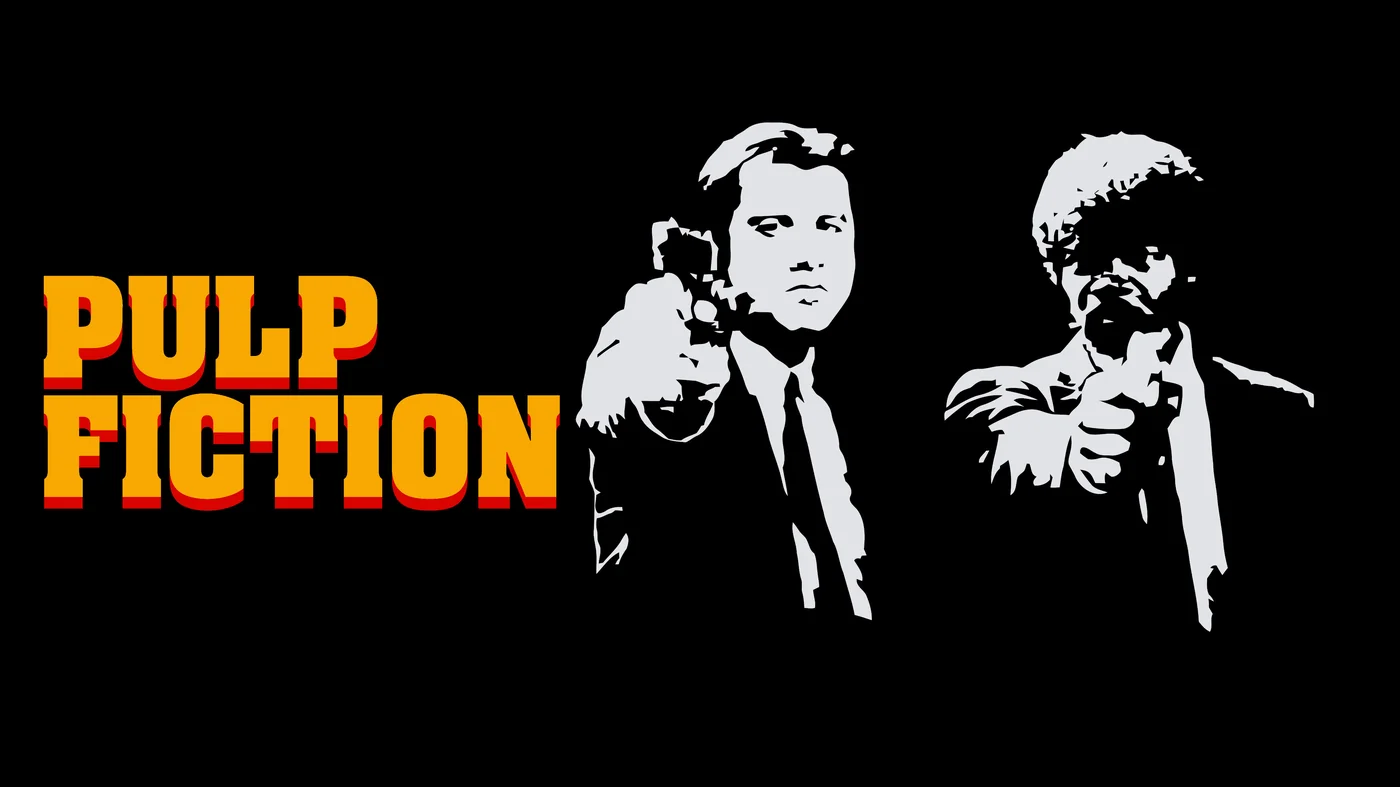
Pictured: Pulp Fiction (1994)

A conversation becomes an event

The opening restaurant discussion in Pulp Fiction does not merely delay the action. It turns the decision to commit a robbery into a social exchange between two people who have routines, appetites and a shared language. The conversation is already the attraction.

Tarantino repeatedly makes competence conversational. Characters judge food, music, professional conduct and other people's stories. The viewer can join those judgements, remember the phrasing and carry an exchange outside the film. A scene becomes something friends can replay together.

The dance competition works similarly through a different form. It gives the actors a space in which a criminal assignment can temporarily become play. The fascination is not reducible to plot progress. We are watching people occupy an image with enough specificity to make it memorable.

But the films become thinner when attention stops at the portable fragment. Jules's account of the experience in the apartment changes the meaning of words he has previously used as intimidation. The final diner encounter tests whether the new interpretation alters his behaviour. Quoting the earlier performance without following the later change misses the scene's argument.

There is also a form of fandom grounded in watching the films that surround Tarantino's own. The New Beverly's history describes his ownership and programming within a repertory institution with a substantial history before him. That is a concrete example of film enthusiasm taking a shared form beyond defending his releases.

The cinema's history records programming around filmmakers such as Richard Fleischer and performers such as Ralph Meeker, alongside the midnight screenings of Tarantino's own work. That is a useful distinction: enthusiasm for a familiar director can become a reason to encounter unfamiliar films. The New Beverly's earlier history under Sherman Torgan also keeps the institution from being reduced to an accessory of one famous owner's identity.

The corresponding weakness is the temptation to make reference-hunting sufficient criticism. Recognising a source can enrich a scene; it cannot establish that the new use is effective or that a troubling image has been earned.

What I value is the ability to make talk and gesture worth returning to. What I would ask of the devoted viewer is to continue past pleasure: when the scene changes a character's self-understanding, does our understanding change with it?

The pleasure of a scene people can replay together

Where to start Pulp Fiction 1994
2 Christopher Nolan

Christopher Nolan

He rewards reconstruction, but the emotional choice can matter more than the puzzle's last unresolved detail.

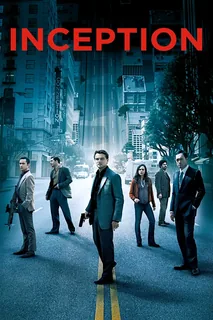
Pictured: Inception (2010)

Viewers become collaborators in orientation

A Nolan film often gives the audience work to do. Events can arrive out of order, time can pass differently in adjacent spaces and a piece of information may become useful before its full significance is clear. Keeping up produces a particular pleasure: the film seems to become more available through attention.

The Nolan Fans forums make that invitation visible through film discussion, speculation and fan creations. Their existence establishes a sustained place for activity, not that every participant agrees or that anyone who dislikes a film has failed to understand it.

Inception offers an especially effective structure for such attention. The team discusses rules, prepares actions and then works across levels whose timing must remain related. Cross-cutting turns abstract exposition into a problem of coordination.

The hotel sequence is pleasurable partly because a change elsewhere becomes a local physical condition. The audience is not only told that the levels are connected; movement has to be rethought when gravity changes. The system produces a scene rather than remaining a diagram.

The ending encourages a familiar kind of return: look again, identify the clues, decide what the top establishes. That activity can be rewarding. It can also occupy so much attention that Cobb's choice is treated as secondary evidence instead of an action worth interpreting.

He turns towards his children rather than remaining to watch the result. Whatever account of the final reality a viewer prefers, that movement changes his relationship with the test. The film has given the device importance; the character ceases to make his immediate attention depend on it.

Tenet exposes the limit of reconstruction as a complete response. A diagram can establish which direction a car is moving in time and how a repeated encounter fits. It cannot establish that the people pursuing the task have acquired a compelling emotional life. Neil's farewell supplies a different kind of understanding: a friendship is at different points for the two people inside it. That feeling gives the mechanism something a timeline alone cannot provide.

Nolan's strongest work supports both kinds of attention. The construction gives the audience something to reconstruct, while the person at its centre gives the reconstruction a cost. Devotion becomes more interesting when it can ask whether those elements actually meet, rather than assuming complexity guarantees that they do.

The pleasure of a system that invites reconstruction

Where to start Inception 2010
3 David Fincher

David Fincher

His precision rewards close looking. Treating his most forceful characters as reliable guides can erase the force of the films.

Pictured: Fight Club (1999)

The surface is controlled; the people are not

Fincher makes a frame feel selected. Camera movement, light, sound and performance can produce an impression that very little has entered by accident. For a viewer who enjoys looking closely, that control is an invitation to keep returning.

Fan resources such as The Fincher Analyst extend attention to music videos, commercials, production material and interviews. An archive changes the form of returning: a viewer can compare how a performance, a camera move or a musical choice was made with what it finally does in the scene. The director's name becomes a route through several crafts, provided the archive is read for the collaborators as well as the signature.

Fight Club shows why formal excitement needs a second stage of interpretation. Tyler Durden has the style, confidence and explanatory force the narrator lacks. The film makes his rejection of consumer life pleasurable before exposing the new obedience built from it.

Project Mayhem is not freedom merely because its uniforms differ from office clothing. It replaces one managed identity with another, making men interchangeable in a movement that claims to restore their significance. The disappearance of names is a severe answer to the promise of becoming fully oneself.

That contradiction is easy to miss when isolated speeches become self-help advice. A character can diagnose a frustration accurately and exploit it disastrously. Tyler's ability to name the narrator's dissatisfaction does not establish that his programme is an answer.

Fincher's technique complicates the issue because it supplies the seduction so effectively. The film cannot simply stand outside the appeal and point at it. It lets the viewer feel the attraction, then has to make the consequences count against what has felt good.

There is a reasonable criticism that the spectacular ending leaves destruction with too much aesthetic prestige. The contradiction does not vanish because the film has been labelled satire. It should remain part of the conversation.

The best Fincher fandom, in my view, notices that control of an image is not the same as moral certainty within it. A meticulously designed shot can reveal obsession, delusion or an institution consuming the people who trust it.

I value the repeated attention his work encourages. I become less persuaded when precision is offered as proof that a film cannot have a blind spot. Exact execution makes a choice more legible. It does not remove the need to judge the choice.

The pleasure of control—and the discomfort of what control reveals

Where to start Fight Club 1999
4 Wes Anderson

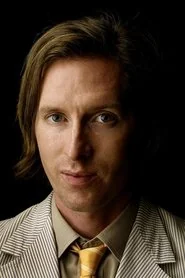
Wes Anderson

His style travels unusually well. The films become richer when we look beyond the symmetry to the losses it is trying to contain.

Pictured: The Grand Budapest Hotel (2014)

A recognisable style is not an entire explanation

Wes Anderson's images can be identified before a character speaks. Centred framing, carefully organised colour and objects arranged with unusual attention make a world that appears to have a grammar.

That grammar travels. Accidentally Wes Anderson describes a community built by Wally and Amanda around real places that prompt an association with the films. The activity is a concrete example of a director's visual language becoming a way people look beyond the cinema.

There is pleasure in that recognition. A hotel frontage or an unusual interior can become newly visible because a film has supplied a frame of attention. It can also reduce the director to a palette and a checklist.

The Grand Budapest Hotel gives the copied image a history. Its stories sit inside later stories, and the changing frame and appearance of the hotel mark distances between the remembered world and the people receiving it. A symmetrical frontage is therefore only part of the attraction. The film lets the ordered world become something someone is trying to preserve in a form that cannot keep its inhabitants alive.

Gustave's commitment to manners is consequently more than a decorative personality trait. Courtesy can be absurdly elaborate, vain and exclusionary. In the encounters with authoritarian violence, it can also become a fragile attempt to insist on a standard of conduct.

Zero's position complicates the nostalgia. He is not simply the grateful witness to a charming European world. His experience of displacement makes the question of who belongs inside that world consequential. Gustave's protection matters most when politeness must become an action.

The speed, miniatures and comic precision can keep grief at a stylised distance. That is an artistic method, but a viewer who wants more unguarded emotional space may reasonably feel held outside it.

I find the film moving because the ordered surface cannot preserve the people within it. The detail becomes poignant through its inability to stop change, not through perfection as a sufficient value.

The limitation of image-led fandom is therefore also an opportunity. Recreating a symmetrical shot is an enjoyable beginning. Asking what the symmetry is protecting, remembering or failing to contain leads further into the films. Anderson's style is memorable partly because the worlds it organises are less secure than they first appear.

The pleasure of a world with a visual grammar people can recognise and use

Where to start The Grand Budapest Hotel 2014
5 Denis Villeneuve

Denis Villeneuve

His images reward patience. Patience should remain a choice a scene earns, rather than a test of whether the viewer deserves the film.

Pictured: Blade Runner 2049 (2017)

Scale can diminish the person before the story restores him

In Blade Runner 2049, K moves through spaces designed to make an individual look small: industrial landscapes, monumental interiors and cities where a body can become another commercial surface. The duration gives us time to feel that relation.

The orange Las Vegas sequence is not valuable simply because it produces beautiful stills. The obscured environment makes certainty difficult. K is entering a place where the past has survived as damaged architecture and performance, rather than a usable explanation waiting in the open.

His hope that he might be the exceptional child gives those images a personal centre. The desire is not merely to solve a mystery. It is to discover that his life has a unique origin and therefore a significance the world has denied him.

The later revelation removes that particular claim. The film then asks whether he can act meaningfully without it. His final decision is stronger if importance is not reserved for the person secretly destined to matter.

Joi makes the same question less comfortable. A private relationship can feel singular to K while the giant advertisement confronts him with language and an image designed for many customers. The scene does not force a simple answer about whether every earlier feeling was false. It reveals the commercial structure within which the feeling has existed.

The repeated baseline tests offer a small-scale reason for looking again. An institution asks K to produce a dependable verbal rhythm; later experience changes his capacity to supply it. The difference depends on Gosling's timing and the room's controlling sound as much as on a monumental image. Duration matters when it lets us notice a changed response. It becomes harder to defend when another long passage only repeats a condition already made clear.

My defence rests on K's changing relation to the world, not on the claim that slow automatically means profound. The scale matters when it makes his late act of care feel small and sufficient at once.

Villeneuve's invitation to devotion is the chance to inhabit an atmosphere without being hurried out of it. Its limit arrives when admiration for the image makes a viewer feel obliged to deny that a particular passage could be shorter, clearer or more emotionally available.

The pleasure of inhabiting an image long enough for its emotional scale to change

Where to start Blade Runner 2049 2017

Where this comes from: New Beverly Cinema: history and programming · Nolan Fans forums · The Fincher Analyst: about the archive · Accidentally Wes Anderson: about the community · Reader discussion: Blade Runner 2049 and pacing

Devotion is most useful when it sharpens judgement

These five invite different kinds of return. Tarantino encourages replay and shared film knowledge. Nolan invites reconstruction. Fincher rewards scrutiny of the frame and the process behind it. Anderson gives people a portable way of seeing. Villeneuve makes duration and scale part of the experience.

None of those invitations requires unconditional defence. A fan community becomes more useful when it preserves disagreement: the brilliant scene whose violence remains troubling, the coherent puzzle whose relationship does not convince, the beautiful image whose duration may exceed its purpose.

The directors also depend on collaborators whose work can disappear behind a recognisable name. Performers, cinematographers, designers, editors, sound teams and composers help create the qualities being admired. Looking further into that work is one of the better things devotion can produce.

The point is not to outgrow enthusiasm. It is to make enthusiasm specific enough that praise has content and criticism remains possible. A film worth returning to should be able to survive being looked at closely.

← All lists