
16 September 2026

14 acclaimed films with unusually close rating scores

A closer look at the films, the scenes that sustain them and the limits of apparent consensus.

14 entries

Alien and Amadeus do not offer the same kind of pleasure. One makes a workplace progressively impossible to survive. The other lets admiration for beautiful music become a source of humiliation. Putting them on one list is interesting precisely because their high reputations do not require them to resemble each other.

The fourteen films here form a curated selection whose IMDb, Letterboxd, Metacritic and Rotten Tomatoes critic figures fall unusually close together after rescaling. That is a useful reason to look at them together, not a reason to call their greatness settled. The affection a film earns can be broad while the argument about its best scene remains fierce.

I am more interested in why these films can sustain that argument than in pretending the four sites have arrived at the same judgement. Goodfellas makes its attraction part of its indictment. It's a Wonderful Life allows a beloved man to resent the obligations that made him beloved. The Return of the King lets a public triumph fail to repair a private wound. Their force often comes from a complication that the label “universally loved” would conceal.

For the ordering, IMDb is multiplied by ten and Letterboxd by twenty; Metacritic and the Tomatometer already use 0–100. Closeness is 100 minus the gap between the highest and lowest of those four values. The displayed result is rounded to a whole number and sorts this selection. It does not turn Rotten Tomatoes' percentage of positive reviews into the same thing as an average mark.

In the catalogue checked on 30 October 2026, the unrounded ranges for these fourteen run from four to nine points. For example, The Fellowship of the Ring has 89 from IMDb, 87.8 from Letterboxd, 92 from Metacritic and 91% critic approval from Rotten Tomatoes: a range of 4.2, producing a displayed closeness of 96. Equal displayed values can conceal small differences before rounding; neither is a measure of identical taste.

The notes below take the next step the numbers cannot: they identify what the film is doing, follow that choice through a scene or relationship, and acknowledge where the achievement remains open to objection. Plot developments are discussed.

How this is judged

Closeness computed
100 minus the numerical range across IMDb, the Tomatometer, Metacritic and Letterboxd after rescaling. Orders this selection; does not measure unanimous opinion.
MEANRANK computed
Mean of the eligible ratings held for this film, rescaled to 0–100.

Computed scores come straight from the ratings, so you can check them. Editorial ones are our opinion, and every one comes with the reason for it.

14

Alien 1979

Workplace procedure becomes a matter of who survives.

Horror, Sci-Fi · 117 min

A 86

Before the creature dominates the film, the crew argues about pay, orders and the jobs nobody wants. The ship feels inhabited by people who have to maintain it. Its machinery and corridors are working spaces before they become hiding places.

Ripley’s insistence on quarantine grows from that world. Procedure is not an obstacle delaying the excitement; it is the protection someone decides to overrule. The horror arrives inside an ordinary argument about authority and responsibility, which makes the fantastical threat easier to believe.

The table scenes do essential work before the horror erupts. Conversation overlaps; people complain about their share of the job; rank does not automatically produce respect. The crew feels like a group obliged to occupy the same workplace rather than a set of biographies waiting to be eliminated.

Ash's attack makes the institution's indifference bodily before his explanation makes it explicit. The apparently composed science officer can use the room and an ordinary object to turn Ripley into something to silence. The later revelation does not introduce a second, unrelated kind of monster. It exposes a form of authority already living inside the crew's working arrangement. Their technical competence has been serving a purpose in which their survival is conditional. The creature enters that betrayal; it does not have to invent it.

The creature's life cycle turns the body into another place where consent and control fail. The film does not have to explain every possible biological rule to make that violation intelligible. Its power comes from making an ordinary working arrangement suddenly incapable of keeping a boundary intact. Even the late apparent safety has to be checked again. Survival is frightening work because the familiar signs that a task is finished can no longer be trusted.

Closeness computed
91/100

IMDb 84, Rotten Tomatoes 93, Metacritic 89, Letterboxd 85: 9 points from highest to lowest.

MEANRANK computed
86/100

From 12 ratings.

13

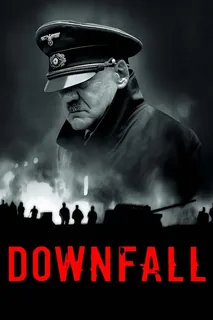
Downfall 2004

The bunker keeps performing the habits of a government that has lost its world.

Drama, History, War · 156 min

A 84

Orders are discussed, maps are examined and ranks still determine who speaks. Outside, the conditions those rituals assume have ceased to exist. The tension comes from watching people continue the performance of control.

Bruno Ganz’s Hitler is frightening partly because the room keeps accommodating him. His physical decline does not end other people’s obedience. The film’s focus on the bunker can narrow the catastrophe around it, but the scenes are valuable as a study of how authority can persist after every useful reason for trusting it has gone.

The officers' hesitation before explaining the failure of Steiner's attack makes the hierarchy a practical problem. The useful information is already available; getting it spoken before the man issuing orders is another task. Ganz's fury matters through the people required to remain in the room and make the next exchange possible. The scene is strongest when we attend to that accommodation. The catastrophe is being prolonged by habits of speech and deference, not simply by one isolated man believing something absurd.

That is the risk of the whole approach. Showing a dictator's body, temper and domestic surroundings can be mistaken for adding moral complexity simply by adding recognisable human detail. Ordinary habits do not make the crimes less deliberate. The relevant question is what that recognisability helps us understand about other people's willingness to serve.

The strongest scenes answer through accommodation. A room adjusts itself to an impossible demand. Someone has to find words that will preserve the performance of command a little longer. The catastrophe is not waiting outside for the audience to remember as an abstract context; it is being prolonged by what the people in the room keep agreeing to do. The film is useful when it makes that continuation, rather than the leader's notoriety, its subject.

Closeness computed
92/100

IMDb 82, Rotten Tomatoes 90, Metacritic 82, Letterboxd 83: 8 points from highest to lowest.

MEANRANK computed
84/100

From 12 ratings.

12

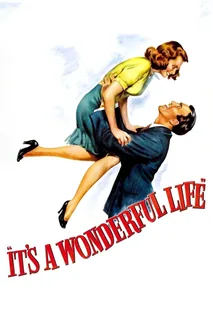
It's a Wonderful Life 1946

George’s generosity does not protect him from resentment.

Drama, Family, Fantasy · 130 min

A 88

James Stewart lets George Bailey become angry at the people he loves. The sacrifices have been real, and he has not always made them happily. That makes the crisis more difficult than a good man briefly forgetting he is good.

The imagined town without him can be blunt in its lesson. The performance has already supplied the necessary complication: a person can matter to others while feeling trapped by the obligations that made him matter. The ending answers that feeling with company rather than a recovered adventure.

The bank run gives the lost possibility a sum that can be spent. George and Mary use their honeymoon money to keep the building-and-loan customers from surrendering their claims to Potter. The scene is warm because the couple make a choice together, not because the holiday was worthless. Stewart's later resentment has that history behind it. A life can be built through acts freely chosen at the time and still become painful when the alternatives they consumed begin to feel permanent.

That is why the anger at home matters. Stewart allows George to be unfair at the point when a more protective film might ask the audience to admire his pain. Love and resentment are not assigned to different people. They occupy the same exhausted man, which makes the later recognition more substantial than a correction to a bookkeeping error about how much he is valued.

The money at the ending answers an immediate crisis, but it cannot return all the lives George did not lead. The gathered friends answer something else: the fear that his obligations have amounted to disappearance. The conclusion is persuasive if we let both facts remain. He has lost real possibilities, and the life he has actually lived contains relationships he cannot fully measure from inside his disappointment.

Closeness computed
92/100

IMDb 86, Rotten Tomatoes 94, Metacritic 89, Letterboxd 89: 8 points from highest to lowest.

MEANRANK computed
88/100

From 12 ratings.

11

Schindler's List 1993

A person’s name becomes a practical matter of survival.

Drama, History, War · 195 min

A+ 91

The lists, papers, negotiations and factory work give the film a concrete account of rescue. Lives depend on a name being included, a document being accepted or a demand being met.

That detail matters beside the film’s larger emotional scenes. Spielberg can make an individual recognition carry enormous weight, but the work of saving people is also administrative, repetitive and uncertain. The film is strongest when it holds those scales together: a life seen closely and a system trying to reduce it to a category.

Schindler's initial usefulness to himself is part of the film's difficulty. He knows how to bargain, flatter and exploit a situation. The rescue does not require the later discovery that he was secretly untouched by self-interest. It requires capacities cultivated for profit to be directed towards people the regime is trying to erase.

The water sprayed into the train cars is rescue work made to pass through a compromised social performance. Schindler can make a request in language the men controlling the scene will tolerate; the people inside the cars experience the same act as immediate relief. Neeson has to keep the public manner available while directing a useful capacity elsewhere. Spielberg's strongest scenes can hold those different meanings in the same action, without first requiring the rescuer to announce a fully purified motive.

Its use of a rescuer as a narrative centre remains open to scrutiny. The audience is given a person whose changing choices provide a route through events that exceed any one person's moral development. The concluding grief can become more emphatic than the earlier scenes need. Those concerns do not erase the achievement of making scale and particularity collide: the system sees a number, while the film keeps returning to the person whose name must remain on a page.

Closeness computed
92/100

IMDb 90, Rotten Tomatoes 98, Metacritic 95, Letterboxd 91: 8 points from highest to lowest.

MEANRANK computed
92/100

From 12 ratings.

10

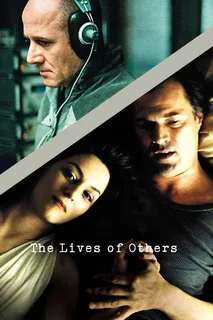
The Lives of Others 2006

Listening changes what the watcher can bring himself to do.

Drama, Thriller · 137 min

A 87

Ulrich Mühe gives Wiesler very little obvious expression. A pause at his desk or a small alteration in a report has to carry the change. The performance works because the film has made his professional habits so precise.

The story asks a good deal of its watcher’s conscience, and its redemptive movement is open to argument. What holds it together is the attention to daily decisions. Becoming a different man begins with what he chooses to record, conceal or let pass.

Listening becomes morally ambiguous in a way that watching a villain from a distance would not be. Wiesler's access is obtained through coercive power. His developing attention to the people he hears does not turn that original violation into an act they consented to. The film has to make change imaginable without laundering the system that made his position possible.

The piano sonata gives listening a task he cannot discharge through the usual report. Mühe allows very little visible movement, but the scene places a gap between receiving sound and turning it into information the institution can use. The film is moving where subsequent choices retain that modest scale: omit, alter, delay, keep something out of the record. Its larger redemptive confidence is less secure. A responsive listener can be a substantial dramatic invention without becoming evidence that the surrounding machinery tended towards care.

The objection to the film's redemption is substantial: a story centred on an unusually responsive listener can offer a consoling exception inside a machinery of repression. The private rescue may occupy more emotional space than the many lives that received no such attention. The final dedication is moving, but its movement is not a historical settlement. I value the film most as an account of compromised individual acts, less when it seems to ask an individual act to redeem a whole way of governing.

Closeness computed
92/100

IMDb 84, Rotten Tomatoes 92, Metacritic 89, Letterboxd 86: 8 points from highest to lowest.

MEANRANK computed
87/100

From 12 ratings.

9

Magnolia 1999

The characters keep trying to control how their pain sounds.

Drama · 188 min

B 79

Tom Cruise’s performance as a self-help salesman depends on the gap between his public certainty and what happens when he cannot sustain it. Elsewhere, people confess, rehearse a confession or try to interrupt one.

Paul Thomas Anderson lets these separate performances of self-control accumulate until the shared song becomes plausible. The sequence risks telling us that everyone feels the same thing. What gives it force is how much the preceding scenes have shown them failing to say it to another person.

The film's length is part of its wager. These people do not receive one efficient scene that establishes a problem and another that solves it. They repeat themselves, injure someone while trying to explain an injury, and bring an old need into a new conversation where it fits badly. The accumulation can be exhausting because the desperation does not respect a tidy hierarchy of importance.

Stanley's need to leave the quiz set makes the programme's arrangement intolerably clear. The child can supply answers on demand but struggles to get an ordinary bodily need treated as consequential. Jeremy Blackman's stillness is affecting because the adults keep receiving the useful performance while failing to receive the person. Anderson's larger emotional design has a material foundation here. A correct answer can be a poor measure of whether the encounter is going well for the one required to give it.

The extraordinary weather near the end is where the film most openly risks losing a viewer. It can look like an imposed permission to stop the ordinary chain of cause and effect. It can also feel like a physical version of the characters' experience: something unbearable arrives before anyone has finished explaining why life should make sense. I would not make acceptance of that device a test of sophistication. The human scenes have to earn the scale of the interruption, and they do so unevenly but often with remarkable force.

Closeness computed
93/100

IMDb 80, Rotten Tomatoes 82, Metacritic 78, Letterboxd 85: 7 points from highest to lowest.

MEANRANK computed
80/100

From 12 ratings.

8

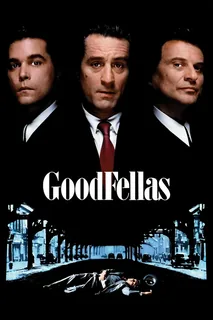
Goodfellas 1990

The voice telling the story cannot be trusted to judge the life.

Crime, Drama · 145 min

A 88

Henry Hill can describe the pleasures of the mob with the warmth of someone recommending a good restaurant. The Copacabana entrance lets the camera share that privilege. Doors open, a table appears and the work making it happen stays behind the smile.

The later panic does not erase the earlier attraction. It exposes the terms on which it was available. Scorsese makes the viewer feel the seduction before requiring an account of the violence that paid for it.

Karen hiding the gun after Henry attacks the man who has harassed her makes recruitment intimate. Lorraine Bracco's response cannot be reduced to ignorance about what kind of man she is with. She has seen something frightening, then becomes useful to it through a small act that also feels like sharing a private confidence. The film gives the attraction time to matter. Belonging develops through conduct before it has to be defended as an account of a whole life.

Joe Pesci's Tommy exposes the instability beneath that process. A social exchange can change character because the powerful person decides it has. Laughter is no guarantee of safety; it may be something the room performs while waiting to learn which interpretation will survive. The violence feels connected to the same demand for recognition that makes the privileges attractive.

When the film accelerates into Henry's paranoia, the earlier fluency becomes a kind of punishment. The knowledge that once made the world navigable now produces too many urgent signals. The final complaint about ordinary life is especially revealing. Losing the criminal arrangement does not automatically produce moral clarity. Henry can resent the withdrawal of its benefits after the film has shown us their cost. That refusal of a clean conversion is one of the reasons the ending continues to sting.

Closeness computed
94/100

IMDb 87, Rotten Tomatoes 93, Metacritic 92, Letterboxd 89: 6 points from highest to lowest.

MEANRANK computed
88/100

From 12 ratings.

7

Howl's Moving Castle 2004

Housework gives an impossible world a place to settle.

Adventure, Animation, Fantasy · 119 min

A 85

The walking castle is a great visual invention, but Sophie’s effort to clean and organise its rooms gives it a life beyond the drawing. A wizard, a child and a fire demon have to share a household. The strange becomes familiar through work.

The plot’s rules can become loose, particularly as the war and the curses converge. Sophie remains a useful centre because her attention keeps returning to what another person needs. The domestic scenes supply a coherence the explanations do not always provide.

Sophie's altered age makes self-perception visible without reducing it to one tidy rule. She can move between confidence, exhaustion, tenderness and self-dismissal within a body whose apparent age is unstable. The effect is richer when it is read through performance and behaviour than when treated as a puzzle awaiting a final key.

Howl's crisis over his altered hair colour gives the domestic comedy its sharpest division of labour. A wizard can turn despair into a spectacular event while Sophie must live in the household the event disrupts. The joke does not merely puncture a handsome man's vanity. It shows how much an impressive self-image can require other people to manage. Sophie's useful authority comes from continuing to notice that work when the surrounding performance wants to make its own feeling the only emergency.

The film's looseness remains a real weakness. The war can seem immense in its imagery and vague in its political arrangement; explanations near the end do not settle every question the invention raises. Yet the changing household supplies a more persuasive account of belonging than the machinery of the plot supplies of conflict. The castle becomes worth returning to because difficult people have learned, imperfectly, how to share it.

Closeness computed
94/100

IMDb 82, Rotten Tomatoes 88, Metacritic 82, Letterboxd 87: 6 points from highest to lowest.

MEANRANK computed
86/100

From 12 ratings.

6

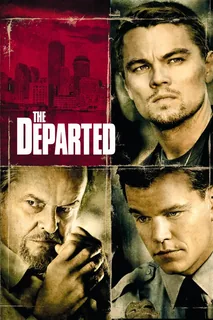
The Departed 2006

Two undercover lives, both becoming difficult to switch off.

Crime, Drama, Thriller · 151 min

A 84

Leonardo DiCaprio plays Billy as someone who cannot find a safe way to stop acting. Even a conversation with the people supposedly protecting him can become another test. Matt Damon’s Colin has the professional polish Billy lacks, but the same need to manage what everyone knows.

The film turns phones, meetings and missed calls into threats. Its speed can make the last movement feel punishingly abrupt. That abruptness belongs to a world where being clever does not guarantee enough time to explain yourself.

The two infiltrators give the film a formal joke with terrible consequences. Each has achieved access to the institution the other claims to serve, and neither can make belonging secure. Success deepens the problem. The more useful he becomes, the more people have a reason to inspect him.

The deletion of Billy's police record gives the threatened self an ordinary administrative object. His knowledge of who he is cannot restore an institutional account somebody else has removed. DiCaprio's urgency becomes more particular: he needs to be believed by people whose access to the official truth is itself compromised. The film's speed is strong where a phone or computer makes that dependence immediate. It is weaker when another reversal consumes the person before the new predicament has had time to become an experience.

There is a fair objection to the late succession of shocks: people can begin to look like pieces removed to keep the mechanism accelerating. I find the film most persuasive before that exhaustion, when DiCaprio's distress makes the undercover arrangement look less like a glamorous exercise in deception than an assault on the ability to possess an ordinary self. The polished insider and the visibly fraying outsider are not simply competing in cleverness. They are living different costs of being believed.

Closeness computed
94/100

IMDb 85, Rotten Tomatoes 91, Metacritic 85, Letterboxd 87: 6 points from highest to lowest.

MEANRANK computed
85/100

From 12 ratings.

5

The Godfather Part II 1974

The family grows stronger as Michael becomes less capable of belonging to it.

Crime, Drama · 202 min

A+ 90

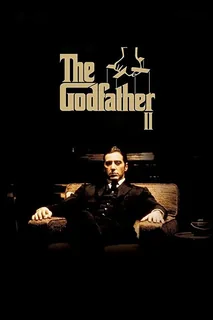
The two timelines ask us to compare what power builds and what maintaining it destroys. Vito acquires obligations and authority in a community. Michael inherits an organisation and steadily narrows the circle of people he can trust.

The arrangement becomes most painful around Fredo. A family relationship has to survive inside Michael’s system of threat and punishment. Al Pacino’s restraint makes the danger worse: an emotion can appear briefly and then be put away before anyone else can use it.

The comparison is not a simple diagram in which Vito is warm and Michael cold. Vito's community contains fear and the enforcement of obligation. Michael's gestures towards family still contain feeling. What changes is the relationship between intimacy and the authority each man seeks to preserve.

The embrace after their mother's death makes that restraint especially cruel. Michael can receive Fredo as a brother while the exchange of attention with Neri keeps another decision alive inside the same action. Pacino does not need to make the affection transparently fake. The scene is frightening because a gesture of reconciliation can contain real feeling and still function within a settled intention to punish. The family has not merely been displaced by business; its own forms have become usable instruments of the power claiming to preserve it.

The earlier story also gives the later one a misleading promise of continuity. We keep seeing how a family's position began, as though knowing its origins might preserve something in its present. By the time Michael is alone, the parallel has exposed the failure of that hope. Inheritance can transmit a structure while steadily destroying the relationships invoked to justify keeping it.

Closeness computed
94/100

IMDb 90, Rotten Tomatoes 96, Metacritic 90, Letterboxd 92: 6 points from highest to lowest.

MEANRANK computed
91/100

From 12 ratings.

4

Amadeus 1984

Salieri understands Mozart’s greatness well enough to be wounded by it.

Drama, History, Music · 160 min

A 86

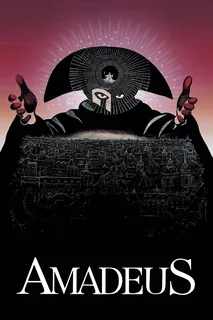
The scene in which Mozart dictates music to Salieri turns composition into action. One man can hear the whole structure; the other struggles to write quickly enough to follow it. Their difference becomes visible without a lecture about genius.

F. Murray Abraham makes Salieri’s admiration part of his resentment. He is not simply wrong about Mozart. He recognises exactly what he lacks. That recognition lets the film be funny, petty and tragic in the same exchange.

Salieri reading Mozart's manuscripts gives that temptation a beautiful mechanism. Music arrives for us as he follows the page, so his apparently private perception becomes our access to the achievement. Abraham's face makes admiration and humiliation simultaneous. The scene encourages trust because the man judging can genuinely hear what matters. That is precisely why the larger account needs scrutiny: accuracy about the work does not grant him equal authority over the person whose work it is.

Mozart's behaviour is essential to the injury. A solemn, visibly noble genius would allow Salieri to imagine that greatness had been distributed according to a legible moral order. The vulgar laugh and petty social conduct make the gift feel intolerably misassigned. His grievance with Mozart is also a grievance with a God he believes has refused to recognise proper service.

The music prevents that grievance from becoming merely a clever premise. It repeatedly gives us something Salieri cannot plausibly deny, even while he tries to make its existence part of his prosecution. The risk is that the film's exuberance can leave Mozart's own interior life less accessible than his rival's. That imbalance belongs to the account we are hearing: another man's genius has become the material from which Salieri attempts to make his own tragedy.

Closeness computed
94/100

IMDb 84, Rotten Tomatoes 90, Metacritic 87, Letterboxd 87: 6 points from highest to lowest.

MEANRANK computed
86/100

From 12 ratings.

3

Kill Bill: Vol. 2 2004

The revenge story finally has time for the people inside it.

Action, Crime, Thriller · 137 min

A 82

The burial sequence gives the Bride’s training a clear dramatic use. A skill learned through humiliation becomes a way to survive alone. It is a tighter piece of storytelling than the film’s reputation for long conversations suggests.

The conversation with Bill then changes the scale of the revenge. The person at the end of the list has a voice, an account of himself and a connection to a child. None excuses him. It makes reaching him more complicated than reaching another target.

The shift in pace from the first volume can initially feel like a reduction in promise. There is less of the pleasure of moving towards the next extravagantly staged opponent. That is the point at which the revenge story has to decide whether its destination contains anything a fight can finish.

Bill can explain himself at length because explanation has been one of his ways to retain control. The final encounter tests whether the Bride can hear the familiar voice without accepting its account of what he was entitled to do. Carradine's ease is therefore part of the threat, not an interval delaying the 'real' confrontation. Thurman's pauses give the scene another timing. The resolution depends on something she knows that his possession of the conversation has not secured. Competence and emotional separation briefly become the same action.

The child makes that distinction harder to keep at a comfortable distance. The Bride is not merely recovering something stolen or cancelling a debt in blood. She has to enter a relationship that now exists and survive the emotional claim of someone who helped create it. Some of the dialogue is self-enchanted, and Bill's long explanations can feel protected by the writer's pleasure in hearing him speak. The final encounter is strongest when the performance, the pause and the child's presence trouble that pleasure.

Closeness computed
96/100

IMDb 80, Rotten Tomatoes 84, Metacritic 83, Letterboxd 82: 4 points from highest to lowest.

MEANRANK computed
83/100

From 11 ratings.

2

The Lord of the Rings: The Return of the King 2003

Victory cannot put everyone back where they began.

Action, Adventure, Fantasy · 201 min

A+ 90

The long sequence of endings attracts jokes, but the final return to the Shire is essential. Winning the war has not restored Frodo’s ability to live there. The adventure’s cost remains after the spectacle has finished.

The beacons make the public hope a chain of small physical actions. Someone sees a signal and keeps it moving, while the eventual decision to answer still belongs to people who could refuse. Jackson's scale is persuasive because the mountains do not merely dwarf the bodies. They show the distance a request for help must cross. That collective exhilaration makes the later private failure to feel restored more important: the film has earned a victory and still declines to make victory an identical experience for everybody.

The destruction of the Ring is also more morally difficult than a clean test that Frodo passes. At the final moment, the burden defeats the person who has carried it. Earlier acts of pity have left another creature alive and present, and the outcome depends on that history rather than on an untouched hero's perfect will.

It is possible to find the film's declarations and swells of music excessive. The insistence on grandeur can leave little quiet in which a viewer might arrive at a feeling unaided. But dismissing the later departures as a failure to stop misses the work they do. A coronation can settle a kingdom. It cannot restore a damaged capacity to feel at home.

Sam's return supplies a different future from Frodo's departure. Domestic continuity belongs to someone who shared the suffering but is able to inhabit what they protected. The ending does not require everyone to heal in the same place or by the same timetable. Under the ceremonial spectacle, that is a surprisingly unsentimental distinction.

Closeness computed
96/100

IMDb 90, Rotten Tomatoes 94, Metacritic 94, Letterboxd 91: 4 points from highest to lowest.

MEANRANK computed
90/100

From 12 ratings.

1

The Lord of the Rings: The Fellowship of the Ring 2001

The journey matters because we have spent time in the place being left.

Action, Adventure, Fantasy · 178 min

A 89

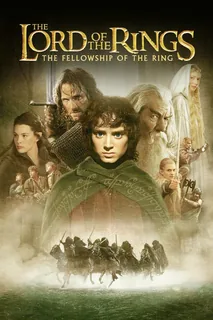
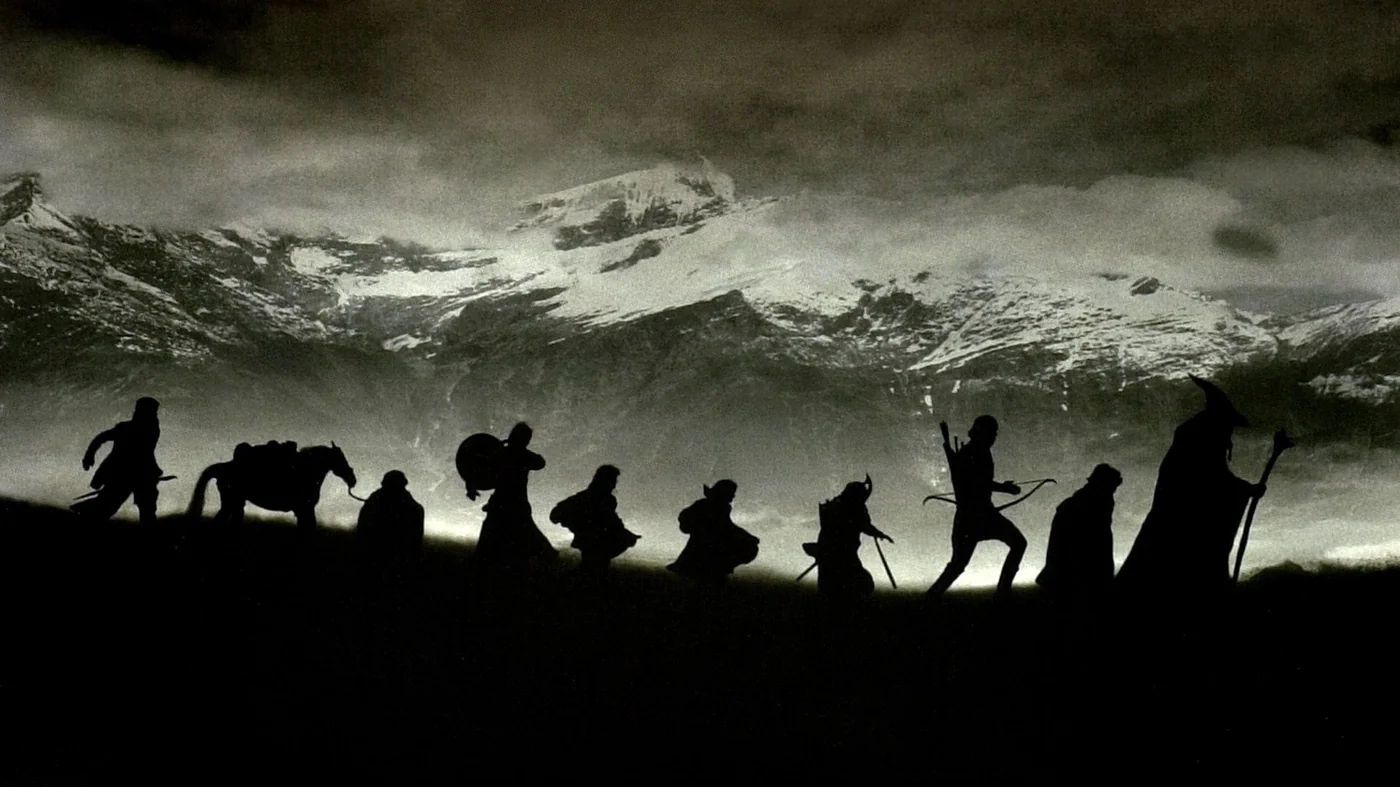
The Shire is full of meals, small grievances and people who know one another’s business. Peter Jackson gives that life enough space to make departure a loss. Frodo is carrying something out of a place worth preserving.

Later, the film builds trust through different kinds of protection: Aragorn’s practical knowledge, Gandalf’s caution, Sam’s refusal to be sent away. The scale grows without making those relationships incidental. The mountains and armies have meaning because the film has first taught us to care about a small household.

The conversation in Moria gives the burden an unheroic response. Frodo wishes it had not come to him, and Gandalf cannot improve the world by telling him that a chosen person ought to welcome the task. The scene permits grief over the lost ordinary life before returning to what can still be done. That is a substantial source of the film's generosity. Courage does not require a person to become grateful for the conditions that have made courage necessary.

The temptation of the Ring keeps that vulnerability alive after the group forms. Boromir does not need to be a secretly worthless companion for his failure to matter. His understandable wish to defend a home becomes the route by which possession starts to sound responsible. The danger is not confined to obvious evil at the edge of the world.

That is why the final movement works on a smaller scale than the battles to come. A fellowship can fail as an organisation while an act of friendship survives the failure. Sam entering the water is a practical, frightening refusal to let Frodo turn a shared obligation into solitary martyrdom. The film earns its scale by returning to a body that cannot swim and a friend who will have to reach for it.

Closeness computed
96/100

IMDb 89, Rotten Tomatoes 91, Metacritic 92, Letterboxd 88: 4 points from highest to lowest.

MEANRANK computed
89/100

From 12 ratings.

Where this comes from: Rotten Tomatoes: Tomatometer and audience-score definitions · Metacritic: how Metascores are calculated

The numerical connection between these films is real but narrow. Four published figures can be close for different reasons, and no average can show that every person inside its audience experienced the same film.

The more interesting connection is their willingness to complicate an attractive position. Belonging becomes coercive in Goodfellas. Protection becomes domination in The Godfather Part II. Being needed becomes a source of resentment in It's a Wonderful Life. A heroic achievement does not restore Frodo's home.

Those complications are reasons to revisit the films rather than simply preserve a favourable memory of them. A high score can get a title onto a watchlist. What keeps it there is usually something that will not fit comfortably inside the recommendation.

← All lists