Walter White
First: the strongest continuity between wounded pride, useful talent, self-deception and the damage that follows.
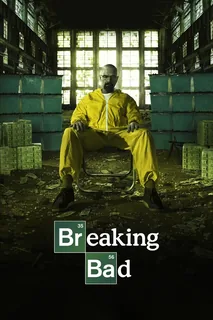
Pictured: Breaking Bad (2008–2013)
The explanation keeps changing; the appetite becomes clearer
Walt is unusually well written because his intelligence is real and his account of himself is unreliable. The show does not need to choose between an underestimated teacher and a dangerous egotist. It lets the same abilities serve both people.
The offer from Elliott and Gretchen is essential. It gives him a route to treatment that does not require a criminal empire, while making acceptance painful to his pride. The family-provider explanation remains emotionally available to him after his decisions have made it insufficient.
Jesse's attempt to leave after the methylamine sale shows the need beneath Walt's mentorship. The younger man has proposed a route out that makes practical sense; Walt experiences departure as a failure to value the future he can offer. Cranston lets persuasion turn toward injury when Jesse will not accept the invitation. The teacher wants the pupil to become capable, but still needs that capability to confirm his own indispensability.
The poisoning of Brock is one of the severest tests. Walt's need to prevail converts a child into an instrument. The series does not have to make him stop caring about his own children to show the moral distortion. It shows how selectively his protective language operates.
Cranston makes the transitions persuasive through effort rather than a simple change of face. Walt rehearses authority, performs wounded innocence and sometimes appears to persuade himself while speaking. He is most revealing when he needs someone else to accept a story he can no longer quite sustain alone.
The “Ozymandias” household scene then destroys the assumption that success can eventually make everyone grateful. The money and the plan cannot force the family back into the role he has assigned it.
I place him first because the later damage grows from habits the earlier episodes have already made legible. The transformation is neither a new personality arriving nor proof that he was secretly identical from the first frame.
There are moments when the series' elegance grants him an especially seductive last word. The finale can be criticised for giving him a degree of orchestration other people never receive. Yet the final conversation with Skyler makes a necessary movement: he acknowledges desire that the family excuse has concealed.
His greatness as a character lies in that accumulation. The viewer can understand the sequence of decisions without being required to accept the defence attached to each one.
Bryan Cranston in Breaking Bad
Breaking Bad 2008–2013