
8 October 2026

Leonardo DiCaprio's films, ranked—and the performances inside them

Twenty-one selected films, with a closer look at the acting: comic timing, self-invention, wounded authority and the effort that sometimes shows.

21 entries

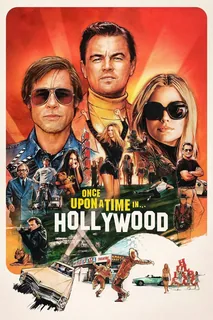
Rick Dalton forgets a line, retreats to his trailer and conducts a furious private review of his own talent. In Once Upon a Time… in Hollywood, DiCaprio makes the collapse funny because Rick is both performing it and suffering it. The actor can command the scene while the character fears that command is disappearing.

That is a more useful starting point than asking whether a collection of highly rated films proves DiCaprio the greatest actor of his generation. A good director, script, co-star and role create conditions for a performance. They do not perform it.

The strongest case for DiCaprio concerns people manufacturing an identity: Frank Abagnale, Jay Gatsby, Howard Hughes, Jordan Belfort and Rick all want an audience to believe in a person they are trying to become. His weaker passages can display the work of acting so prominently that the person seems secondary to the display.

The 21 selected features below are ordered by their stored MEANRANK film scores, with the page counting down to first place. This is not a complete filmography or a separate numerical ranking of his acting. The notes explain where the quality of the performance and the quality of the film part company.

Full-film spoilers follow, including Shutter Island, The Departed and Killers of the Flower Moon. The selection runs through the already released One Battle After Another (2025); release dates and awards are not predictions.

How this is judged

MEANRANK computed
The combined rating of the film in this catalogue. It orders the selection; it does not score DiCaprio's individual performance.

Computed scores come straight from the ratings, so you can check them. Editorial ones are our opinion, and every one comes with the reason for it.

21

Don't Look Up 2021

A truthful warning does not prevent its messenger from enjoying compromised attention.

Comedy, Drama, Sci-Fi · 138 min

C 66

Randall Mindy's nervousness initially appears to be a reasonable response to carrying catastrophic information into rooms organised around other priorities. DiCaprio's hesitation lets the audience register the mismatch before the later anger arrives.

The more interesting development is his susceptibility to attention. Being taken seriously, desired and publicly recognised begins to alter the person supposedly delivering an unalterable message.

That gives the role a contradiction beyond the righteous scientist surrounded by fools. The warning may be true while the messenger becomes compromised.

My reservation is that the film often supplies the emotional instruction at the same volume as the performance. Satirical emphasis can leave little room for a response to surprise us.

DiCaprio is more persuasive when Mindy is enjoying his new position than when he has to carry the film's most explicit declaration of outrage. The uncomfortable scene is the one in which he has something to lose by returning to clarity.

Dr. Randall Mindy

MEANRANK computed
67/100

From 12 ratings.

20

Romeo + Juliet 1996

The speed of feeling makes a new identity seem certain before it has been tested.

Drama, Romance · 120 min

C 68

DiCaprio gives Romeo a speed of feeling that suits Luhrmann's world. Desire becomes conviction before the character has much opportunity to test it. The face can move from private melancholy to public certainty with alarming ease.

The aquarium meeting briefly changes the speed. The glass lets Romeo watch Juliet before he can turn desire into a declaration, and Danes answers the looking without becoming a passive image behind it. DiCaprio is particularly good in that interval: surprise and pleasure arrive before the lover's language can supply a ready-made identity. The later haste is more affecting because the film has allowed this quieter discovery between two people.

The heightened setting creates a challenge: speech must remain active while the images compete for attention. DiCaprio is most effective when the words belong to the immediate wish, less so when feeling seems to arrive at the full volume the scene has already supplied.

It is a useful performance to place beside his later self-inventors. Romeo is not carefully constructing a social fraud, but he is making a whole identity from the authority of a new feeling. The attraction and the danger are closely connected.

Romeo

MEANRANK computed
68/100

From 12 ratings.

19

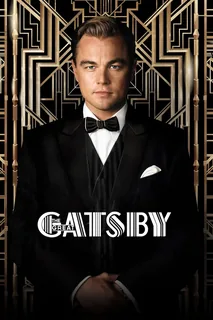
The Great Gatsby 2013

A purchased world cannot compel the response for which it was built.

Drama, Romance · 143 min

C 68

Gatsby's smile is a public construction. It offers another person a place inside an apparently secure world, even though the person supplying it is trying to make that world exist through performance.

DiCaprio is well suited to the contradiction. The star image gives Gatsby immediate radiance; the hesitations and abrupt intensity expose how much he needs Daisy to confirm it.

The reunion at Nick's house is the better test than another grand entrance. Gatsby has arranged flowers and expectations but cannot arrange Daisy's response; the awkwardness around the clock makes his command of the setting look suddenly fragile. DiCaprio is funny because the impressive man keeps becoming the anxious visitor. Once the encounter moves to his mansion, the wealth can amplify the appeal again, but we have already seen how little protection it offers from a pause he does not know how to fill.

The film's visual insistence sometimes competes with that vulnerability. There is a great deal of external information about Gatsby's magnificence, and the acting has to find a person inside it.

I regard this as a better use of DiCaprio than the film's unevenness might imply. He can make self-invention attractive while showing the fragility of a life that depends on one particular response.

Jay Gatsby

MEANRANK computed
69/100

From 12 ratings.

18

The Basketball Diaries 1995

Desperation becomes most revealing when another person's refusal changes its form.

Crime, Drama · 102 min

C 69

The pleading at the locked door is the performance's most exposed passage. Jim needs his mother to respond while using the relationship itself as pressure. DiCaprio lets desperation move through anger, bargaining and a sudden attempt to sound manageable.

That movement is more revealing than simply making deterioration look physically severe. The person wants help, access and escape from the immediate need, and those wants do not arrive in a clean order.

The danger is that a series of extreme passages can make the film feel organised around demonstrations of suffering. Intensity is not automatically development.

I find the performance persuasive in the encounters where Jim still has to read another person's response. It becomes less distinctive when the film offers anguish principally as spectacle. The later career would repeatedly return to this question: how much does the outburst reveal beyond the fact that the actor can produce it?

Jim Carroll

MEANRANK computed
70/100

From 11 ratings.

17

Revolutionary Road 2008

A marriage's shared knowledge becomes a weapon in the argument over its future.

Drama, Romance · 119 min

B 72

Frank Wheeler can sound reasonable while arranging a conversation so that April's desire becomes the problem requiring correction. DiCaprio makes domestic authority more revealing than a simple portrait of anger.

Kate Winslet is indispensable to the result. April's response keeps exposing the distance between the couple's preferred story about themselves and the life they are actually negotiating.

Their shared knowledge is a weapon. A remark can injure because the other person knows exactly which hope, humiliation or concession it names. The acting has to preserve intimacy inside the attack.

The argument over Paris tests Frank's preferred account of himself. April's plan would make her the earner and give him time to discover the work he believes he ought to do. DiCaprio allows the flattering possibility to become threatening once it asks for a practical commitment. Later, the prospect of advancement at his existing job gives him a respectable language for retreat. The anger is frightening because Frank can keep presenting his defence of the familiar as a defence of the family.

This is a strong counterexample to the claim that DiCaprio is principally compelling in large adventures. The scale is domestic, and another person's refusal can defeat the identity he is trying to maintain.

Frank Wheeler

MEANRANK computed
73/100

From 12 ratings.

16

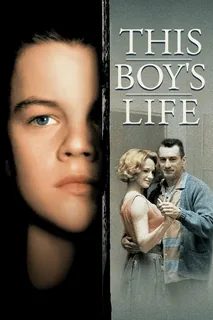
This Boy's Life 1993

An ambitious boy learns compliance and self-invention under an unpredictable authority.

Drama · 115 min

B 73

Toby has to learn when to comply, when to lie and where an apparently ordinary exchange may become dangerous. DiCaprio's youthful openness is useful because the character cannot begin with the armour an older protagonist might already possess.

Robert De Niro's Dwight makes domestic authority unpredictable. The boy's attention becomes part of the tension: what does he notice, and what can he safely acknowledge noticing?

The discarded mustard jar makes the danger concrete. Dwight insists that it is not empty and forces it against Toby's face, turning a household dispute into a demand that the boy submit to his account. DiCaprio has to receive the change in the rules without being free to call it what it is. That is more revealing than a general performance of youthful defiance: anger must be held inside conduct intended to avoid the next escalation. The later self-invention grows out of a boy who has learned that the truth about a room may be the least safe thing to say in it.

This is an early example of a recurring DiCaprio strength: self-presentation as a practical response to an intolerable position. The role does not yet require the grand public persona of Gatsby or Belfort. It asks what an ambitious boy must conceal in order to keep imagining a different future.

Tobias Wolff

MEANRANK computed
73/100

From 11 ratings.

15

Gangs of New York 2002

Revenge must survive proximity to an enemy whose recognition is unexpectedly attractive.

Crime, Drama, History · 167 min

B 74

Amsterdam has to live near the man he intends to kill. That gives DiCaprio a useful conflict: vigilance must coexist with an appearance of participation.

Daniel Day-Lewis's Bill the Butcher has much more theatrical freedom. He can define a room through speech and gesture; Amsterdam often has to remain reactive. The imbalance is not simply a contest in which the louder performance wins.

Still, I find DiCaprio less particular here than in the best surrounding work. The accumulated anger can feel dutiful, as though the revenge premise has already decided the emotional position before the encounter begins.

The knife-throwing exhibition turns recognition into a threat. Bill can make a public display of mastery with Jenny in danger while Amsterdam has to remain inside the role that keeps him close. DiCaprio has to register the bait before Amsterdam's attack gives Bill the confrontation he is prepared to win. The enemy's approval has become part of Amsterdam's life in the neighbourhood; Bill can now turn that intimacy into the means of publicly exposing and humiliating him.

The film's scale and craft do not automatically make this one of DiCaprio's richest performances. It is an important example of a large role whose central contradiction could have received more room than the spectacle permits.

Amsterdam Vallon

MEANRANK computed
75/100

From 12 ratings.

14

Once Upon a Time... in Hollywood 2019

Professional fear becomes funny without ceasing to hurt.

Comedy, Drama, Thriller · 161 min

B 75

Rick's trailer collapse is funny because he has internalised the voice of someone judging his work and can no longer make it constructive. DiCaprio lets self-pity, professional knowledge and genuine terror compete within the same outburst.

The later work on set answers it more persuasively than a speech about renewed confidence could. Rick has to listen, respond and complete the scene. Another performer's recognition briefly matters more than his own furious assessment.

His relationship with Cliff supplies a different kind of security. The apparent star depends on someone whose work and companionship keep his public identity functioning.

The performance also makes room for vanity without requiring the audience to stop caring. Rick is not a misunderstood genius. He is an actor with useful abilities, damaging habits and a narrowing account of his future.

This is one of my first recommendations for anyone who finds DiCaprio too solemn. Comedy does not reduce the feeling; it gives the feeling a more exact shape.

Rick Dalton

MEANRANK computed
76/100

From 11 ratings.

13

The Aviator 2004

Ambition and distress belong to the same struggle to make the world manageable.

Drama · 170 min

B 76

Hughes needs invention to become public proof of the exceptional person he imagines. DiCaprio makes the ambition energetic and occasionally pleasurable, rather than beginning with a catalogue of symptoms.

That matters when control becomes harder to maintain. The public persona and the private routines are not two unrelated characters. Both involve an attempt to make an uncertain world submit to a manageable arrangement.

The extended isolation passages are demanding, but visible difficulty is not the whole case for the acting. I find the changes in how Hughes can receive another person more revealing than the sheer severity of the confinement.

The role also exposes DiCaprio's tendency to press a state until the effort becomes conspicuous. Some viewers will find that appropriate to this life; others may feel the performance explains what the images already show.

The ending is the clearest defence of the approach. Hughes has completed a public demonstration that appears to justify his confidence, yet his speech begins to repeat the promise of the future until it is no longer functioning as a persuasive statement. DiCaprio lets the momentum of the successful man carry into the private difficulty. Achievement and distress are present without one being offered as a convenient explanation for the other. The film does not need the victory to be false for it to be insufficient.

Howard Hughes

MEANRANK computed
77/100

From 12 ratings.

12

Killers of the Flower Moon 2023

Affection and weakness do not make complicity innocent.

Crime, Drama, History · 206 min

B 76

Ernest Burkhart is a severe test of DiCaprio's star presence because the character's weakness must not be mistaken for innocence. He wants the benefits of affection and complicity to remain compatible.

His scenes with Mollie are crucial. Lily Gladstone gives him a person whose attention has weight; Ernest cannot be understood only through the uncle who directs him.

The last conversation with Mollie narrows the evasion to something he cannot make vague. She asks what was in the injections. DiCaprio has already played Ernest through so many adjustments to other people's demands that the final denial has the exhausted familiarity of another attempt to keep incompatible lives intact. Gladstone does not have to supply an answering outburst. Her departure ends the possibility that affection, confession elsewhere or a claim of weakness can make this particular lie bearable.

The danger is that the screen time spent on his moral failure can compete with the Osage lives being injured. The film recognises that problem in its final movement without removing it from every earlier scene.

I find the acting important because it gives DiCaprio so little heroic shelter. A weak man can participate in terrible acts without acquiring the grand self-image through which his other characters sometimes protect themselves.

Ernest Burkhart

MEANRANK computed
77/100

From 12 ratings.

11

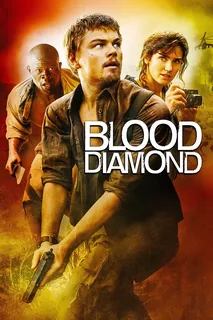
Blood Diamond 2006

A transactional charm has to make room for another person's urgent claim.

Action, Drama, Thriller · 143 min

B 77

Danny Archer's fluency is transactional. DiCaprio makes the charm sound like something repeatedly used to obtain access, time or cooperation. That gives the later move towards another person's need a useful starting position.

The performance is more interesting when Archer must listen to Solomon than when the film treats him as the person through whom the entire setting becomes understandable.

Djimon Hounsou's Solomon has the more direct personal stakes. The distribution of narrative attention should remain part of the criticism: Archer's moral development must not be mistaken for the complete measure of the violence around him.

The final telephone conversation with Maddy reduces the room Archer can manoeuvre in. DiCaprio no longer has to make each phrase sound like another bid for advantage; there is an immediate task of telling someone else enough to let the work continue without him. The change gives the earlier transactional charm a conclusion without pretending that charm was secretly goodness all along. He has stopped preserving every option for himself, but the film's choice to make that change its emotional destination remains open to criticism.

I find the work effective within a familiar redemptive form. It is not proof that the film's perspective is sufficient or that a forceful accent authenticates a whole region. Acting, historical framing and whose story owns the screen are related questions, not interchangeable answers.

Danny Archer

MEANRANK computed
78/100

From 12 ratings.

10

One Battle After Another 2025

A disorganised former revolutionary has to become useful as a father now.

Comedy, Crime, Thriller · 162 min

B 78

Bob Ferguson's attempt to recover the language and procedures of his revolutionary past makes his present inadequacy comic. The phone exchange over forgotten passwords is a particularly useful scene: need is urgent, and the identity that should provide access no longer functions smoothly. BAFTA's performance discussion includes the scene.

DiCaprio's looseness matters. Bob does not have the polished explanatory authority of Gatsby or Belfort. He can be frightened, disorganised and ridiculous while still having a serious obligation to his daughter.

That gives the performance an emotional anchor outside the pleasure of watching a former radical fail to operate his old world. Willa is not merely evidence that he once had another life; she is someone whose safety requires him to become useful now.

The official premise identifies that pursuit. I value the role as another expansion of his comic register: the famous face can lose control of a scene without the film losing the person inside it.

Bob Ferguson

MEANRANK computed
79/100

From 11 ratings.

9

The Revenant 2015

Physical endurance is formidable, but it is not the only measure of the acting.

Adventure, Drama, Western · 157 min

B 79

Hugh Glass has to keep acting when speech, comfort and ordinary social recognition have largely been removed. DiCaprio's breathing, movement and effort make survival physically legible.

The Academy awarded him the leading-actor Oscar for this performance. That is a documented career event, not a requirement to regard endurance as the highest form of acting.

The encounter with Hikuc gives the survival a relationship beyond pursuit. Glass has to accept food and help from somebody who has losses of his own, rather than convert every remaining person into an obstacle or resource. DiCaprio's reduced speech is useful because attention and dependence must do more of the work. I find that contact more revealing than another proof that he can endure pain: for a while, staying alive requires receiving something he cannot win by determination.

The landscape and camerawork do an immense amount of expressive work. Crediting DiCaprio should not require attributing every feeling the film produces to the actor alone.

This is a committed performance inside an exacting production. My personal preference still runs towards roles in which his response to another person can change the scene, rather than roles whose principal demand is to continue through another ordeal.

Hugh Glass

MEANRANK computed
79/100

From 9 ratings.

8

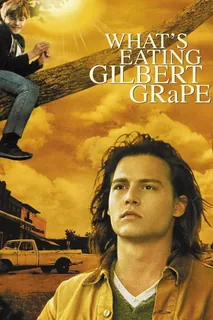
What's Eating Gilbert Grape 1993

A performance built through movement, speech and the difficulty of being understood within a family.

Drama, Romance · 118 min

A 80

Arnie's repeated climb up the water tower is both a danger and an interruption the town knows how to watch. DiCaprio lets the pleasure of being up there survive the alarm below. Gilbert has to turn a familiar family response into the means of getting him down. The scene depends on an uneven understanding of risk, but also on a bond: Arnie is not simply a bundle of mannerisms for his brother to manage.

The repeated water-tower incidents establish a relationship with risk and attention. His scenes with Gilbert also need affection, frustration and an uneven understanding of what another person is trying to manage.

The response to his mother's death is the harder passage. The character cannot process the event through the language the others need him to use. DiCaprio gives the distress actions rather than turning it into an explanatory speech.

There is still a question about whether the film lets Arnie be a person beyond the family's burden and feeling. A committed performance does not remove that framing problem. The useful case for the work lies in its specific relationships, not in treating resemblance to disability as the highest possible compliment.

Arnie Grape

MEANRANK computed
80/100

From 12 ratings.

7

Shutter Island 2010

An explanation acquires authority because the person holding it needs it to remain true.

Drama, Mystery, Thriller · 138 min

A 80

Teddy's investigative confidence depends on a version of events the film will make increasingly difficult to sustain. DiCaprio has to give the investigation force without making the later understanding seem pasted onto another performance.

The scenes involving Dolores are important because grief interrupts the authority of the apparent detective. The body can register knowledge before the character is prepared to acknowledge it.

After the revelation, earlier anger acquires another object. What seemed like resistance to an institution can also be an effort to preserve a tolerable self-account.

The ending's final exchange should not be simplified into a single uncontested diagnosis of what the character consciously chooses. Its power lies partly in the gap between what can be said and what the other person hears.

I find the performance strongest as a study of maintaining an explanation under pressure. The film's Gothic machinery can be emphatic, but DiCaprio gives the explanation a person who needs it.

Teddy Daniels

MEANRANK computed
80/100

From 12 ratings.

6

Titanic 1997

Star appeal gives Rose's possible freedom a particular person to answer.

Drama, Romance · 194 min

A 80

Jack has fewer contradictions to work through than Frank Abagnale or Ernest Burkhart. That does not make the task easy. The film needs a young man whose attention allows Rose to imagine herself outside the position assigned to her, and whose company remains enjoyable enough that the possibility feels like a life rather than a lesson.

DiCaprio's warmth and quickness make the invitation plausible. His interest has to feel personal enough to reach her, while his ease in different social settings gives the romance mobility.

At the first-class dinner Jack receives scrutiny without letting it monopolise his enjoyment. DiCaprio makes the borrowed clothes look less important to him than they are to the people measuring him by them. The invitation afterwards to a different party then changes who gets to be at ease. His appeal is not simply that he can pass through a hierarchy; he offers Rose a place where she need not keep performing her assigned position inside it.

The limitation is partly the role: Jack is granted fewer contradictions and less independent history than Rose. He can become an enabling ideal.

I would not dismiss the work because it depends on star appeal. The appeal is being used for a specific dramatic purpose. It simply should not be confused with the fullest opportunity DiCaprio has had to make a difficult person legible.

Jack Dawson

MEANRANK computed
80/100

From 12 ratings.

5

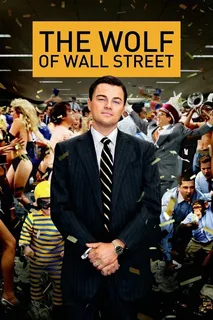
The Wolf of Wall Street 2013

Persuasion becomes a public pleasure; the body supplies a comic answer to the fantasy of control.

Comedy, Crime, Drama · 180 min

A 80

Belfort does not merely want money. He wants other people to recognise appetite as a service he is uniquely qualified to provide. DiCaprio's speeches make persuasion a physical and social pleasure.

The office audience matters. The performance builds through feedback: a response arrives, Belfort enlarges himself to meet it, and the room rewards the enlargement.

The delayed effect of the Quaaludes turns Belfort's account of mastery against his body. The attempt to get to the car becomes a sequence of practical defeats: reaching, crawling and negotiating a step can no longer be treated as actions beneath his attention. DiCaprio commits to the time each failure takes. The later discrepancy between the journey he thinks he completed and the damaged car he actually brought home gives the comedy an unreliable narrator as well as a ridiculous body.

The film's larger ethical problem remains. Showing the appeal of Belfort's world can make its victims too remote. An exciting performance does not automatically keep the audience's enjoyment at a critical distance.

I would nevertheless place the acting near the top of his career. The role gives his intensity a comic rhythm, and comedy lets him expose self-deception without requiring the character to understand it.

Jordan Belfort

MEANRANK computed
80/100

From 12 ratings.

4

Catch Me If You Can 2002

The attractive impersonation never fully conceals the frightened person who needs it.

Crime, Drama · 141 min

A 83

Frank's confidence is a response to fear, not a natural state that the film asks us to admire without qualification. DiCaprio makes the new identity exciting while allowing the need beneath it to remain visible.

The performance changes according to the person Frank needs to convince. Professional assurance, romantic possibility and a son's wish to restore the family require different versions of the same invented future.

His relationship with Carl is essential. Tom Hanks gives the pursuit a patience Frank cannot simply charm away. Recognition gradually becomes more important than another successful escape.

The Christmas telephone call strips away the uniform. Frank can tell Carl another story about where he is, but he cannot disguise the fact that he has chosen to spend part of the holiday speaking to the man pursuing him. DiCaprio lets the wish to boast coexist with the wish to keep the conversation going. Carl's recognition of that loneliness changes the contest. The impersonator wants an audience he does not have to invent entirely for himself.

This is one of my strongest choices for DiCaprio because the role uses his youthful attractiveness against itself. The audience can enjoy the impersonation and still see the frightened person who needs it to continue. Comic pleasure and exposure remain connected.

Frank Abagnale Jr.

MEANRANK computed
84/100

From 12 ratings.

3

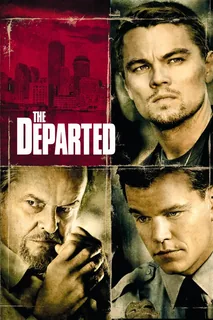
The Departed 2006

Maintaining the disguise threatens the self it was supposed to protect.

Crime, Drama, Thriller · 151 min

A 84

Billy Costigan has to monitor himself almost continuously. DiCaprio gives the role a bodily unease that differs from the graceful impersonation in Catch Me If You Can.

Here the false identity does not offer a larger life. It threatens to consume the person maintaining it. Recognition by the wrong man can end everything; recognition by the right institution remains uncertain.

The meeting with Queenan on the rooftop gives the need for recognition a physical setting. Billy has to step out of one dangerous performance long enough to ask the man who knows his real identity for a way back. DiCaprio's urgency is directed towards an answer the official can postpone. The asymmetry makes the scene painful: a handler can regard continued exposure as necessary work, while the person doing it has to keep inhabiting the fear after the meeting ends.

The anxiety can be forceful, yet it has an object. The character is not simply an intense man inside an intense film. He is trying to preserve a self whose official existence has become unstable.

This is among DiCaprio's strongest uses of pressure. The role gives his urgency somewhere specific to go, and the surrounding performances keep challenging rather than merely receiving it.

Billy Costigan

MEANRANK computed
85/100

From 12 ratings.

2

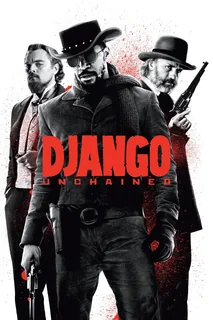
Django Unchained 2012

Hospitality becomes an exercise in ownership and control.

Drama, Western · 165 min

A 85

Calvin Candie's hospitality is an exercise of ownership. DiCaprio makes attention and amusement threatening because the other people have to accommodate them.

The dinner works through a change in hospitality. Candie has been enjoying the position of a man whose interests the visitors must accommodate. Once Stephen's suspicion alters what he thinks the visit means, the same table becomes a place to impose terms. DiCaprio makes the continued talk part of the threat: he can delay the outcome, explain what he thinks he has discovered and make the guests remain inside his enjoyment of that knowledge. The menace is stronger than the notorious physical business because it concerns who can end the encounter.

The danger is theatrical excess. The role offers a famous actor permission to become grotesque, and grotesquerie can invite applause that forgets the people bearing its consequences.

I find the work effective because Jamie Foxx and Christoph Waltz supply an answering pressure. Candie's authority becomes something they must read and navigate, rather than a monologue displayed in isolation.

This is a significant departure from DiCaprio's suffering protagonists, but playing a cruel man loudly is not itself proof of range. The stronger evidence is how pleasure, status and suspicion alter the manner of the scene.

Calvin Candie

MEANRANK computed
86/100

From 12 ratings.

1

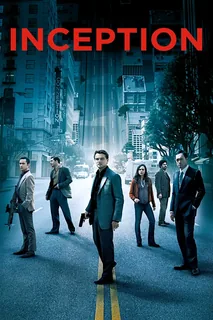
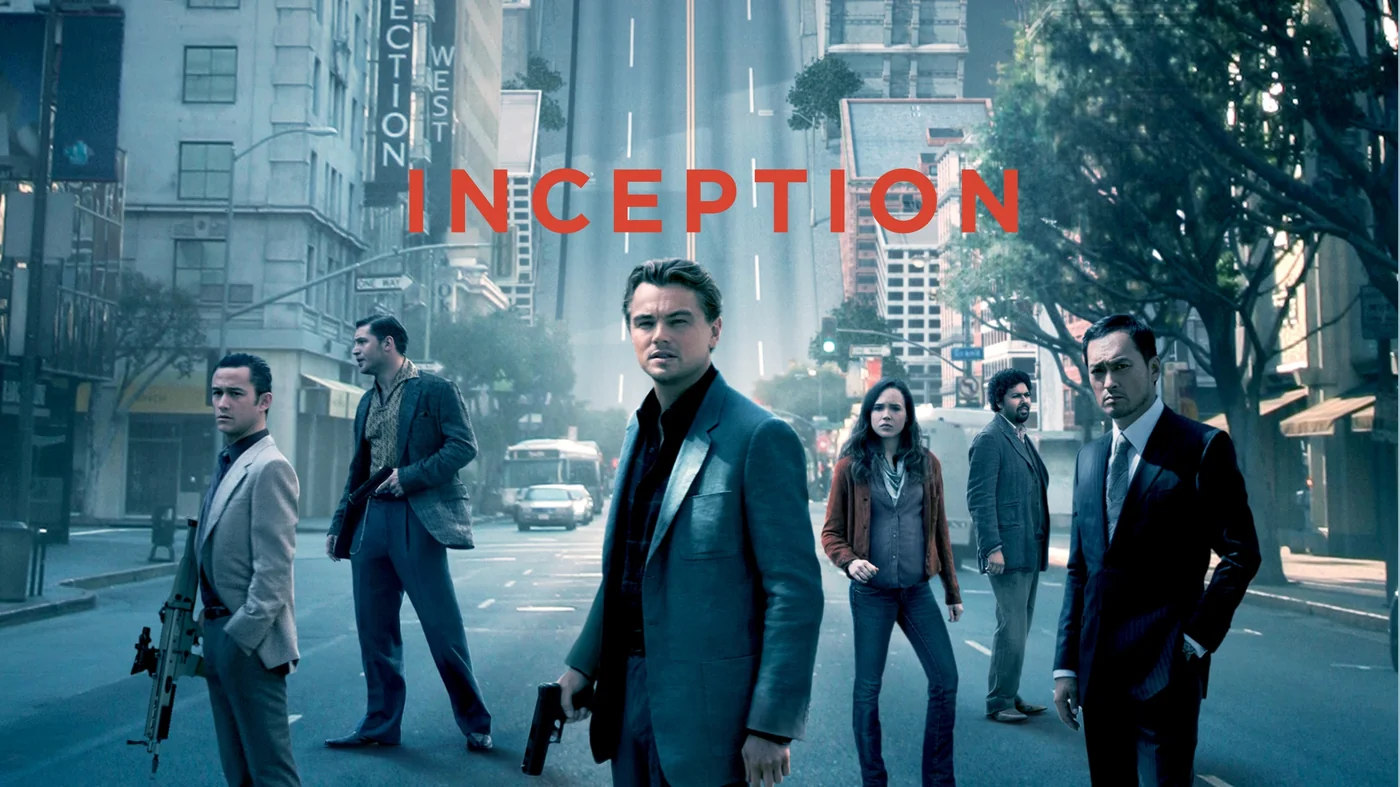
Inception 2010

Expertise can organise the system without repairing the relationship inside it.

Action, Adventure, Crime · 148 min

A 86

Cobb's expertise makes him an effective guide through the film's rules. His unresolved relationship with Mal is supposed to expose the point at which expertise stops providing control.

The scene in which Cobb tells Mal that the woman before him cannot contain the complexity of their life together gives the guilt an action. DiCaprio is not merely declining another dream of reunion; he has to stop treating his own construction as a person he can remain faithful to. Cotillard makes that rejection difficult by retaining the force of an answering presence. The admission that he planted an idea in the real Mal gives the farewell a responsibility that simple bereavement would not carry.

The limitation is the allocation of time. Exposition and coordination occupy so much space that grief sometimes arrives as a solemn state rather than a relationship fully available in the present.

That is not solely a performance problem. Marion Cotillard's Mal must carry several different functions inside the construction, and Cobb's response is shaped by those demands.

The film ranks highly for reasons larger than DiCaprio's work. I value the performance where it lets the master of a system admit that the system cannot produce a relationship he can honestly remain inside.

Dom Cobb

MEANRANK computed
86/100

From 12 ratings.

Where this comes from: Academy: DiCaprio's acting win for The Revenant · Warner Bros.: One Battle After Another · BAFTA: the One Battle phone scene and performance discussion

The strongest case is in the contrasts

I would start a performance-focused route with Catch Me If You Can, The Wolf of Wall Street, Once Upon a Time… in Hollywood, Revolutionary Road and Killers of the Flower Moon. Together they make a better argument for range than a list of celebrated directors does.

Frank turns fear into an attractive identity. Belfort turns appetite into a public service he pretends to provide. Rick needs another performer to tell him he is still useful. Frank Wheeler turns domestic knowledge into a weapon. Ernest wants love and the benefits of betrayal to remain compatible.

Those are recognisably different arrangements of desire, even when DiCaprio brings a familiar intensity to them.

He can also overstate a passage, and a film can encourage that tendency. The serious response is to identify the scene where effort becomes more visible than thought, rather than decide that visible effort is always either greatness or failure.

The award for The Revenant is part of the career. It does not require that every viewer choose that performance as the summit. The better question is which version of his talent a film needs—and whether he gives it something beyond a famous face working hard.

← All lists