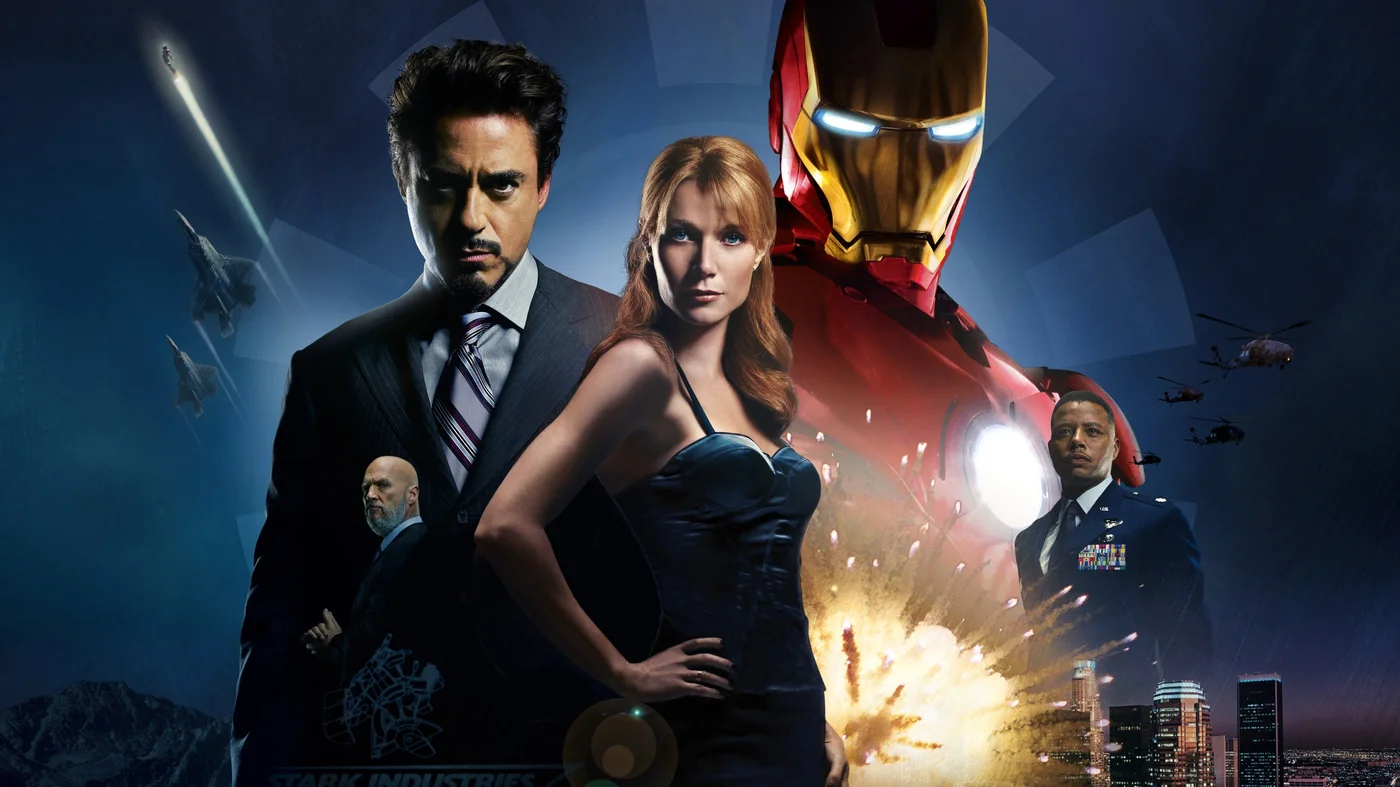
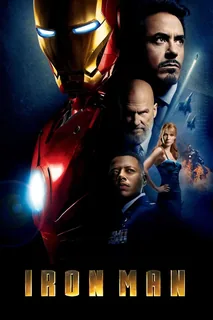
Iron Man 2008
The straightforward case: a foundational story in the main MCU, without making every Iron Man adaptation the same history.
Action, Adventure, Sci-Fi · 126 min
Shared characters are not the definition of shared continuity
Iron Man gives us a useful baseline. Its Tony Stark is the person whose decisions and relationships continue through the Avengers films. We are not relying merely on a costume, a familiar name or the same actor turning up elsewhere. The later stories inherit events from this one.
That is what continuity does in practice. A decision can have a consequence in another work. A relationship has a history the characters remember. A later scene assumes that an earlier experience belongs to these people.
The comic-book Tony Stark is a related creation, but the film is not a promise to reproduce every event in the comics. Adaptation permits a different sequence, a different origin detail or a different fate. “It happened in a comic” is therefore not sufficient evidence that it happened to this screen character.
The same rule applies across films and animation. An animated Tony need not be the person played by Robert Downey Jr. A reused design or voice can create recognition without establishing a shared biography.
This sounds obvious until a cameo arrives. Audiences understandably attach meaning to casting. The production can use that attachment as a joke, a clue or an emotional connection. The story still has to establish which relationship it means.
For a practical check, ask whether a later work inherits the earlier event or simply evokes the earlier performance. Those are different operations. The first builds continuity; the second may be doing something else entirely.
Iron Man is not controversial in this respect. Its value as the opening example is that it lets us identify the kind of evidence needed before moving to cases where time travel and crossovers make the picture harder.