16 September 2026
Tarantino vs Nolan: the scenes behind the argument
Six rounds on dialogue, structure, staging, performance, music and endings, with an argued edge instead of a pretend quality grade.
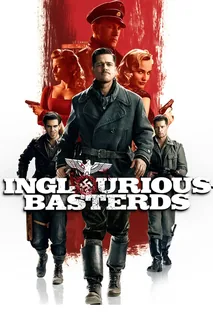
In the farmhouse opening of Inglourious Basterds, a polite question makes another person's position less safe. In The Prestige, an account offered for our benefit may have been arranged for someone else's. Both directors make the audience want information while giving somebody a reason to control it.
That is a better starting point than the familiar claim that Tarantino only borrows or that Nolan's complexity automatically makes him profound. Jackie Brown and The Prestige both adapt existing writing. The creative question is what the finished film makes possible.
The six rounds below separate questions that are easy to blur. Dialogue concerns what words do between people. Structure concerns the distribution of knowledge across the film. Staging concerns bodies, obstacles and routes through space. Performance concerns the behaviour a scene lets an actor develop. Music concerns its effect on rhythm and meaning. Endings concern the emotional and moral force of the closing movement.
These aspects interact. They are useful lenses, not six independent scientific tests.
Each round awards one editorial vote to the director with the stronger case. A draw awards neither a vote. There are no /10 grades to add into a separate result. A narrow edge counts as one vote, with the reasons and counterarguments written out. The final tally counts those votes; it does not claim a universal measure of filmmaking.
The examples include Death Proof and Tenet. A comparison built only from each director's most successful scenes would conceal the point at which a recognisable method becomes a habit.
Both filmographies are collaborative work. Writers, performers, editors, cinematographers, composers and stunt teams are part of the achievements discussed here.
Major spoilers follow, including the endings of Pulp Fiction, Memento and several later films.
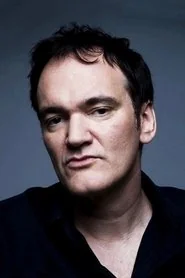
Quentin Tarantino
His best scenes let people become more complicated while we enjoy their company.
Tarantino's great attraction is the time he gives people to occupy a scene. They can joke, perform expertise, tell a story or hesitate. The pleasure is that these actions may turn out to be the practical means through which they secure an advantage.
That gives the actor more than an entertaining speech to deliver. A listener can change the balance before replying, and a familiar manner can become dangerous in a new context.
The weakness is indulgence. A conversation may continue because the writer enjoys the sound of it after the situation has stopped changing. Violence can also become such a rewarding release that the intended criticism struggles to govern the pleasure.
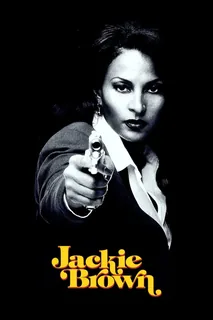
His strongest case here lies in how an encounter stays humanly unsettled. Jackie Brown is the clearest example: the plan can work without making the people fully available to one another.

Christopher Nolan
His best structures make the audience's search for understanding part of the drama.
Nolan's strongest films give a familiar habit of viewing a practical consequence. Trusting a remembered past, wanting a trick explained or assuming that two simultaneous images share a timescale can place us in the wrong relation to an event.
The larger sequences work when that intellectual problem becomes physical. A body needs a route, time is running out and a change elsewhere alters the conditions of the task.
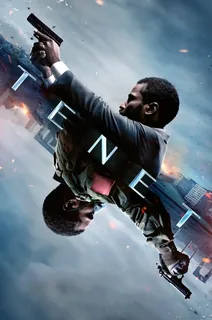
The weakness is explanation. A person may become responsible for delivering the information a mechanism requires before acquiring an equally particular life. Tenet exposes how technical ambition can outrun emotional involvement.
The case for him is more precise than praising complexity. He earns the edge when order, movement and sound make an idea something the audience experiences, with a consequence for a person rather than merely a solution for a puzzle.
-
Round 1
Dialogue
editorialOne editorial vote for the edge, rather than a quality rating.
What speech allows people to do to each other: persuade, threaten, conceal, invite or refuse.
Quentin Tarantino takes it EdgeThe farmhouse scene in Inglourious Basterds makes courtesy a means of restricting another person's choices. Landa's courteous manner is an exercise of control: he decides what may be asked, which language the exchange will use and how long another man must remain composed.
The tavern sequence develops the same skill through a group. Hicox's accent already requires an explanation; his three-finger gesture then contradicts the German identity his speech has worked to establish. The dialogue is tense because speech can make practical danger arrive.
Jackie Brown works more quietly. A request can be a calculation and an invitation at once. The characters do not always know which meaning the other person has chosen to hear.
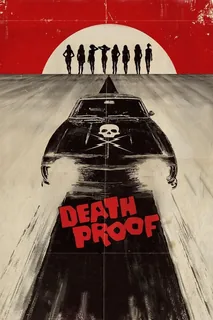
Death Proof supplies the objection. Some early conversations establish a social world and then keep circling after the relevant distinctions are clear. The words can sound like an author sustaining a preferred register rather than people discovering a new pressure.
Tarantino still takes the round. His strongest dialogue makes talking the action of the scene, with the listener's freedom changing as the exchange proceeds.
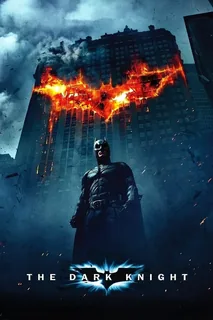
Christopher Nolan CountercaseThe Dark Knight's interrogation is a strong answer to the claim that Nolan only writes exposition. The Joker is trying to establish what Batman's rules permit; Batman uses force to finish an argument that keeps escaping him. Speech is part of the contest, not a pause before it.
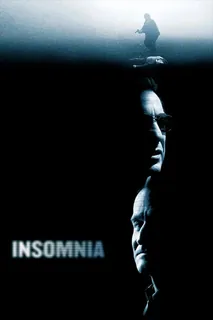
Insomnia supplies a quieter kind of exchange. The detective and the man who recognises his compromised position need different things from the same conversation. The finished scene's force belongs to the screenplay and performances as well as Nolan's direction.
The limitation becomes obvious in Tenet. Too much speech is assigned to briefing a mechanism. Characters can sound as though they are solving the audience's comprehension problem rather than pursuing a need of their own. The sound mix can make that task harder still.
Tarantino wins because the pressure between speakers more consistently remains active inside the explanation. Nolan has major exceptions; they do not remove a recurring weakness.
Edge: Quentin Tarantino. Tarantino. His best conversations change a relationship while they entertain; the advantage survives the self-indulgent stretches.
-
Round 2
Structure
editorialOne editorial vote for the edge, rather than a quality rating.
How order, viewpoint and the release of information shape the experience across the film. The final movement is judged separately.
Quentin Tarantino CountercaseJackie Brown's repeated view of the shopping-mall exchange is a strong structural argument. The audience encounters familiar activity with a different distribution of knowledge. Suspense comes from understanding that no participant possesses the whole account.
Pulp Fiction's reordered chronology also changes emphasis, though its final movement belongs in the endings round. Information can arrive after we have formed an attachment or made a judgement, forcing a revision rather than simply supplying a missing answer.
The divided design of Death Proof is less evenly controlled. The second group and the reversal of physical power have a clear purpose, but the preparation takes longer than the emotional and formal change always justifies. Recognising an intention does not make every minute necessary.
The case for Tarantino is substantial. I give Nolan the edge because restricted or competing knowledge more consistently governs the entire viewing experience in his strongest work. Tarantino's structural pleasures are often concentrated around exceptionally effective passages.
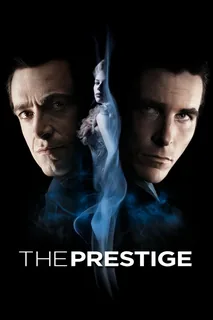
Christopher Nolan takes it EdgeThe Prestige makes written accounts, remembered events and competing demonstrations depend on who is receiving them. The film does not merely delay a secret. It lets a person use another person's appetite for explanation as part of the rivalry.
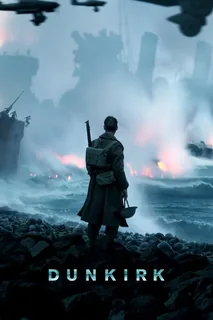
Dunkirk supplies a very different construction. A week, a day and an hour are cut into a shared urgency without pretending that the durations are identical. The structure makes waiting and movement across separate situations affect one another.
Tenet is the necessary counterexample. The mechanism can become easier to admire than to inhabit emotionally. More information on another viewing may improve comprehension without supplying an equally substantial reason to care.
Nolan takes the round because his strongest structures make the audience's condition of knowing part of the whole film. The advantage is not the number of timelines. It is how much of the drama would cease to exist if the information were arranged more conventionally.
Edge: Christopher Nolan. Nolan, narrowly. His strongest structures make uncertainty a continuing experience rather than an isolated revelation.
-
Round 3
Spatial staging
editorialOne editorial vote for the edge, rather than a quality rating.
How framing, bodies, obstacles and routes make the action or suspense readable. Scale and production difficulty do not earn a vote by themselves.
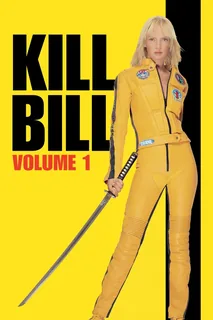
Quentin Tarantino CountercaseThe House of Blue Leaves sequence in Kill Bill: Vol. 1 makes a large fight varied through spaces, opponents and changing rhythms. It is not simply one increasingly long exchange of blows. The wide image and the body's route through it are central attractions.
Death Proof is an even sharper answer to anyone who thinks Tarantino's direction stops at dialogue. The exposed body on a moving car gives distance and speed immediate meaning. You understand the vulnerability without a speech explaining it.
The tavern in Inglourious Basterds offers a smaller, equally important geography: limited exits, close bodies and the difficulty of acting once a social disguise fails.
I give him the narrow lower place because the staging is more often concentrated in encounters followed by a release into action. Nolan's best sequences make the physical condition keep changing as the task develops. This is a preference for that sustained construction, not a judgement that a larger sequence is automatically better.
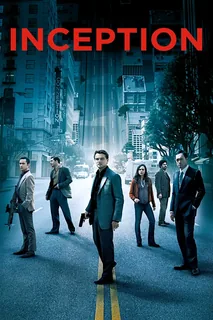
Christopher Nolan takes it EdgeThe rotating corridor in Inception makes an event elsewhere change the body's immediate environment. The objective remains readable even when the room's usual orientation stops being dependable. That connection is the reason for the spectacle.
Dunkirk repeatedly establishes a possible route to safety, then changes what the space permits. A ship can become an enclosure; exposed distance matters because a body has limited ways to cross it. The environment is doing dramatic work.
There are failures. Tenet's action can make the viewer spend too much effort mapping the physical event, and the burden is not always repaid by a clearer emotional consequence. Technical difficulty in production cannot excuse that.
I still give Nolan a narrow edge for the sustained relation between task and changing conditions across his strongest sequences. Tarantino's Death Proof is a serious counterargument. The vote rests on a pattern of construction, not on the assumption that Nolan's biggest images must be the most accomplished.
Edge: Christopher Nolan. Nolan, narrowly. Tarantino's best action is formidable, but Nolan more often makes a changing physical condition carry the sequence.
-
Round 4
Performance
editorialOne editorial vote for the edge, rather than a quality rating.
How direction, co-stars and the edit give an actor room to alter an exchange. The focus is behaviour and response, not the cleverness of the written line.
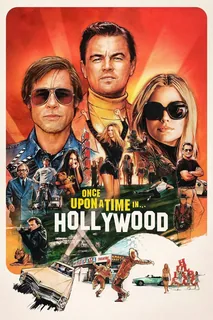
Quentin Tarantino takes it EdgeLeonardo DiCaprio's Rick Dalton in Once Upon a Time in Hollywood provides a better test than simply counting memorable quotations. The actor has to show a man performing professionally, losing confidence and then trying to manage the private humiliation of having failed.
The reactions around him matter. A child's judgement can briefly carry extraordinary authority because Rick needs confirmation that the capacity he built a life around remains available. The direction gives the response time instead of using it merely to move the plot.
Pam Grier and Robert Forster in Jackie Brown supply another kind of opportunity. A look can change the possible future of an encounter without resolving what either person wants. The scene remains warm while calculation continues.
Not every conversation has that vitality. Death Proof sometimes lets the ensemble sustain a register longer than the dramatic situation needs. Even so, Tarantino takes the round for how often a performer is allowed to alter our understanding through a response the scene does not hurry to explain.
Christopher Nolan CountercaseAl Pacino's exhaustion in Insomnia changes the apparent reliability of a professional manner. Robin Williams supplies pressure without copying the detective's intensity. The encounter has force because the two actors are allowed different rhythms.
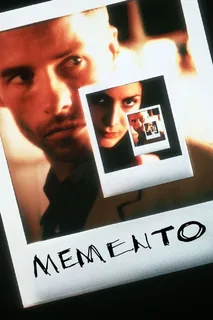
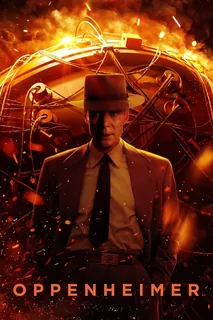
Guy Pearce in Memento similarly maintains a need to appear competent when the available knowledge cannot fully justify the confidence. Cillian Murphy's public composure in Oppenheimer can make a small change in perception unusually consequential.
These are substantial directing achievements, shared with the actors and the edit. The comparison should not reduce Nolan's performers to figures positioned beside machinery.
The narrower limitation is how often a supporting character has an efficient narrative job before a comparably developed personal need. Tarantino's best encounters allow more uncertainty about what a person wants from the other person, beyond what the plot immediately requires. That is why he takes this round rather than because his cast contains more famous performances.
Edge: Quentin Tarantino. Tarantino. His best scenes let a response change the emotional balance rather than only complete a narrative task.
-
Round 5
Music in the scene
editorialOne editorial vote for the edge, rather than a quality rating.
How music changes rhythm, perspective or meaning across a scene. A found song and an original score are judged by their use.
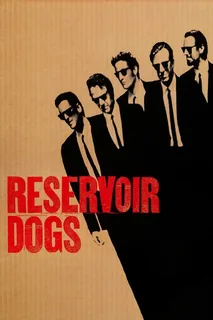
Quentin Tarantino CountercaseTarantino can make a familiar recording arrive with a new moral weight. Mr Blonde dances to Stuck in the Middle with You before mutilating the captive policeman in Reservoir Dogs. His enjoyment makes the music part of the cruelty: the song gives him a rhythm while the man in the chair cannot escape.
Jackie Brown's opening does something gentler. Across 110th Street accompanies Jackie on the airport's moving walkway, placing the glamour of the entrance beside a song about the pressure of getting by. Before we know her plan, dignity and economic vulnerability occupy the same image.
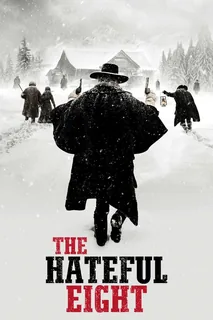
The original Morricone score in The Hateful Eight is an important counterexample to a lazy found-song versus original-score distinction. It helps make the journey and the enclosed world ominous before every source of danger is known.
Tarantino's advantage is the exact placement that can transform a moment. Nolan gets my very narrow vote for the additional sustained work music does across developing and simultaneous action. A reader who values the reinterpretation of a single image more highly can reasonably reverse this round.
Christopher Nolan takes it EdgeIn Dunkirk, music works with the soundscape to keep several pressures active. A change of location need not reset the urgency. Rhythm can carry anticipation across the cut, making a new space feel like another part of a developing danger.
Inception gives the accumulating score a related task within layered action. The musical rise is not merely a signal to admire an image; it helps the viewer feel separate tasks approaching a consequential point together.
That does not make the method uniformly successful. Insistence can flatten differences between a large event and a smaller feeling. Tenet offers passages in which the force of the soundtrack makes the required information harder to receive, showing how the components can work against one another.
Tarantino's precise song placements can change a scene more sharply than a sustained score does. My vote goes narrowly to Nolan because, in the strongest examples, musical design keeps developing the action as well as interpreting it. The composers and sound teams are essential to that achievement.
Edge: Christopher Nolan. Nolan, by the narrowest edge. Tarantino is exceptionally strong at changing the meaning of a moment; Nolan's strongest musical designs also sustain and coordinate developing action.
-
Round 6
Endings
editorialA draw gives neither director a vote.
What the closing movement asks us to feel or reconsider. A surprise is not automatically a satisfying conclusion.
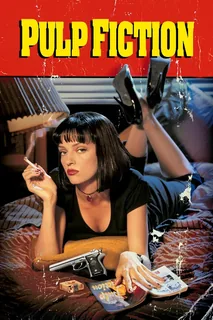
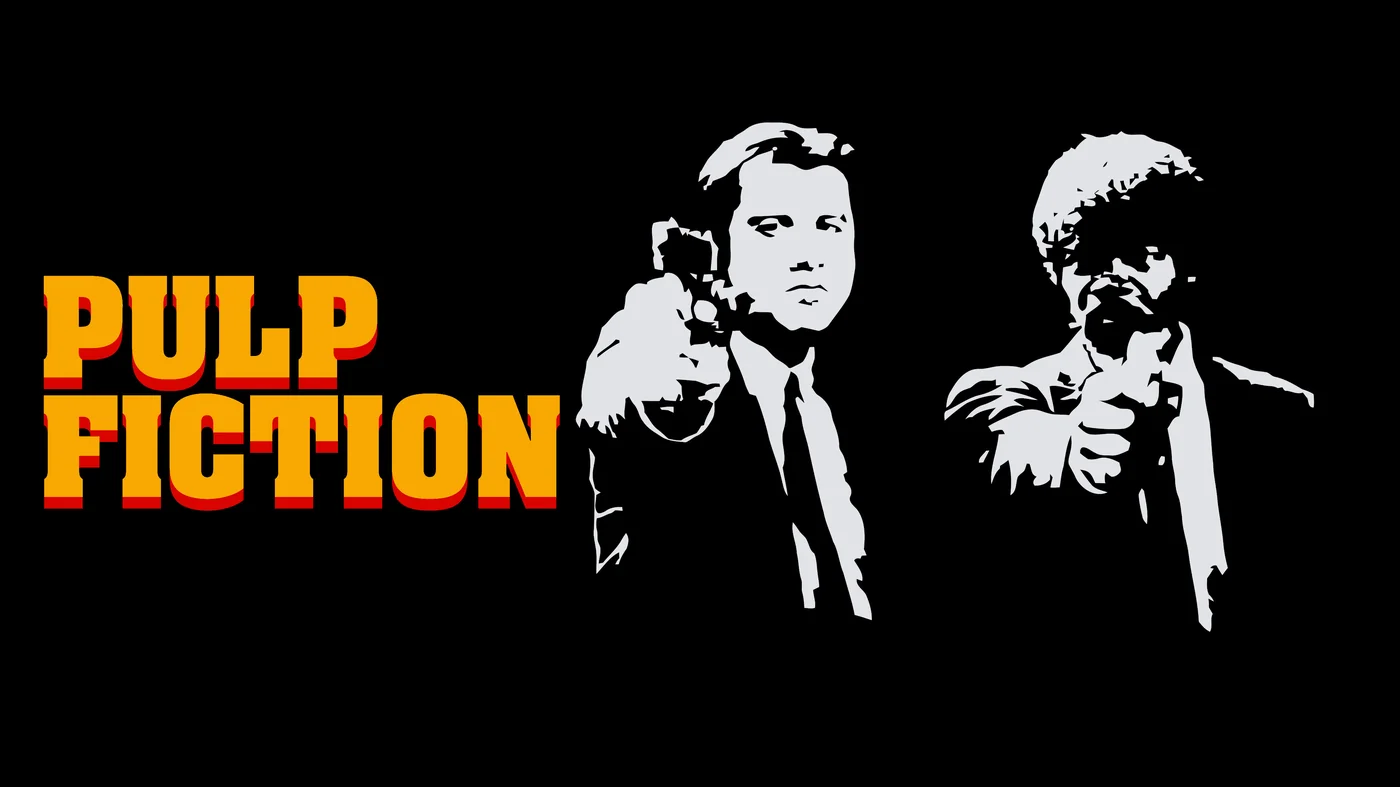
Quentin Tarantino DrawPulp Fiction ends with Jules paying to let the diner robbers leave alive, revising the meaning of the biblical speech he has used to intimidate people before killing them. We have already seen Vincent's later death, so their departure together contains two different futures. Jules's choice offers a possibility of change without pretending that change will repair the world.
Once Upon a Time in Hollywood offers a more troubling satisfaction. The altered history provides relief through an extravagant act of violence, then permits an apparently ordinary invitation to carry extraordinary emotional weight. The pleasure and the moral discomfort belong together.
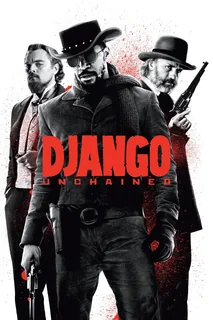
The excess can also weaken the release. Django Unchained continues to expand its spectacle after the central emotional purpose has become clear. Enjoyment does not make every addition equally necessary.
I call the round a draw. Tarantino can make the ending change our relation to the people we have watched, but the desire to give the audience another flourish can delay the point at which the film has said enough.
Christopher Nolan DrawMemento's final movement shows Leonard deliberately preparing evidence that will make his future self pursue Teddy. The investigation becomes a way of preserving a purpose he cannot bear to lose. Our desire for the answer has kept us aligned with a man who can manufacture the answer he needs.
Dunkirk closes with a public meaning that the returning people have not necessarily assigned to their own survival. Reception and experience remain different, which gives the emotion more complexity than an uncomplicated victory.
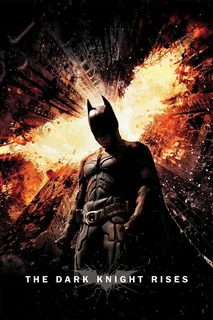
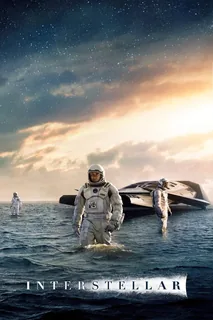
Nolan can also explain a closure too completely. The Dark Knight Rises wants to allocate a future across several lives, while Interstellar's final passages make explicit connections a viewer may already have begun to feel. The determination to complete the design can reduce some of its resonance.
The round remains a draw. Both directors can make an ending reorganise an earlier experience, and both can press the final effect after a quieter departure might have been stronger. That is a shared strength with a shared risk, not a claim that every ending succeeds equally.
Draw. Draw. Both have endings that deepen the film and others whose insistence or excess weakens the release.
The result
Christopher Nolan wins, 3 rounds to 2.
Computed rounds come straight from the ratings and can change hands as new ratings arrive. Editorial rounds are our opinion, with the reasoning for both sides.
Where this comes from: Decca: Tarantino's collaboration with Ennio Morricone on The Hateful Eight · WaterTower Music: Dunkirk soundtrack, composers and music production credits
The result: Nolan, three rounds to two, with one draw
Tarantino takes dialogue and performance. Nolan takes structure, spatial staging and music. Endings are level. Five rounds produce a vote; the sixth is a draw.
My overall preference is Nolan, narrowly. His strongest films make the audience's act of understanding part of the dramatic experience, then carry that experience through movement and sound. The preference survives Tenet's failures because Memento, The Prestige and Dunkirk make the method serve different problems.
The strongest case against my choice is Jackie Brown. Its people can cooperate, calculate and still remain emotionally uncertain in ways a more tightly assigned narrative role might prevent. For a viewer who puts that human freedom first, Tarantino's two winning rounds may matter more than Nolan's three.
The categories also touch: music can help structure a sequence, and dialogue can create an acting opportunity. The tally makes my priorities visible; it cannot make those priorities compulsory.
For the most revealing double bill, put Jackie Brown beside The Prestige. Then compare Death Proof with Tenet: one sometimes lets pleasure in a conversation outlast its dramatic purpose, while the other sometimes makes understanding the mechanism harder than caring about the people. The weaker films reveal the limits of the strengths.