29 October 2026

Five great TV scores—and the scenes that explain why

Twin Peaks, Succession, Game of Thrones, Westworld and Stranger Things, judged for what their original music does inside the drama.

5 entries

Laura Palmer's theme makes grief part of the world of Twin Peaks before the investigation can explain the life that has been lost. Britell gives the Roys' humiliation the scale of tragedy while Succession keeps their entitlement visible. These scores help determine what kind of drama we are watching.

I rank the five selections for what their original music contributes inside the programme: the use of repetition, changes of emotional scale and the ability to make a familiar sound mean something new. An opening theme is part of that work, but it cannot carry the whole case.

The order is Twin Peaks, Succession, Game of Thrones, Westworld, then Stranger Things. The last discussion concentrates on the early seasons. These are five close readings; the programme ratings do not determine the musical order.

Arrangements of existing songs are identified separately. For licensed recordings and songs written for a programme, see our companion piece on TV song choices.

Major spoilers include the season-six finale of Game of Thrones, the first season of Westworld and the ending of Succession.

1

Twin Peaks 1990–2017

First: music that lets grief, desire, absurdity and dread occupy the same town.

Crime, Drama, Mystery · 50 min episodes

A 85

Angelo Badalamenti: the feeling arrives before its explanation

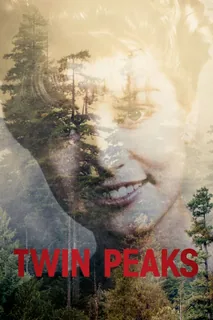
The opening music of Twin Peaks does not announce a police investigation. It gives the landscape a warmth and sadness that the story will disturb. The images of work, water and trees seem familiar, but the music makes familiarity feel like something already being remembered.

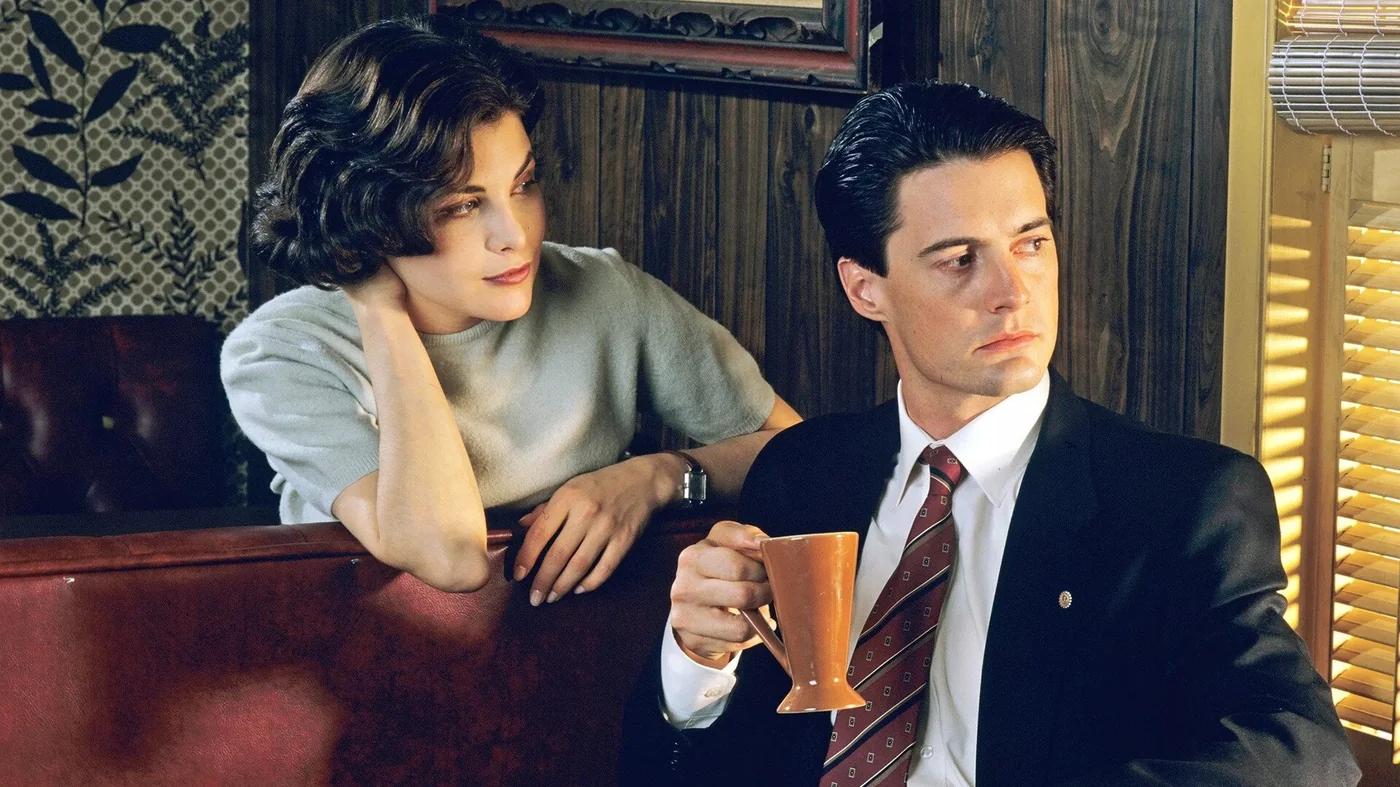
The pilot gives grief an awkward public life. News reaches the school, an empty desk becomes conspicuous, and people who are meant to continue an ordinary day cannot do it. “Laura Palmer's Theme” moves between a dark sustained foundation and an exposed, rising melody. The rise can sound almost too open for the situation; the return to darkness makes that openness fragile. Laura becomes a lost possibility before she can become a solved case.

Badalamenti's account of developing the theme with David Lynch is worth hearing because it describes music being shaped through images and emotion, rather than assembled as a badge for a character. The scene-by-scene criticism here is my reading of the result.

The score also allows the series' tonal changes to belong together. The slinking quality of “Audrey's Dance” can be playful, self-conscious and slightly strange. It does not require the show to choose permanently between a sincere small-town drama and a performance of one.

There is a risk in such recognisable musical language. A return can tell the audience what emotional state to enter before a scene has earned it. Twin Peaks sometimes embraces that overt quality, treating soap-opera feeling as something to inhabit rather than discreetly conceal.

I find the approach convincing because grief is already repetitive. The same loss comes back in rooms where people are trying to conduct ordinary business. A recurring theme can resemble that return rather than a composer insisting we feel sad again.

The instrumental opening and the songs associated with Julee Cruise belong to a wider collaboration involving Badalamenti and Lynch. They should not all be treated as interchangeable examples of one instrumental cue. The distinction helps us hear how much of the world is created by a shared musical atmosphere, and how carefully the original score can shift within it.

This is my first choice because the music enlarges what the programme is capable of being. Remove it and you do not simply lose atmosphere. The relationship between Laura as a person, an image and a town's unresolved loss changes.
2

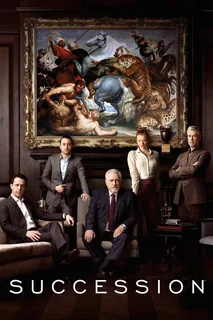
Succession 2018–2023

Second: the funniest and most painful mismatch between a family's grandeur and its behaviour.

Comedy, Drama · 60 min episodes

A 86

Nicholas Britell: the Roys inherit a tragedy they cannot perform with dignity

The title music combines a stately piano idea with a beat and a low-end weight that refuses to behave like polite period decoration. It suits a family whose wealth is old in its claims to importance and contemporary in its appetite for control.

The small instabilities matter. The music is grand, but it is not comfortably settled. Against the opening family images, it can sound like an inherited ritual that nobody has quite learned to inhabit.

Britell then develops that vocabulary rather than requiring the main theme to do every job. Piano, strings, rhythm and variations in scale allow the same family resemblance to carry calculation, exposure or a moment of apparent triumph. The official second-season soundtrack credits those variations to him.

The second-season finale gives that grandeur a dangerous object. Kendall's prepared public confession becomes an accusation against Logan. The concluding musical force lets the rupture feel exhilarating, while Logan's watching response prevents the scene from becoming a simple liberation. A son has challenged the father using the public machinery through which the father exercises power. The music can make the act feel enormous without guaranteeing that Kendall has escaped the family method.

The series ending makes the distinction harder. Kendall's last walk to the waterfront has the weight of bereavement even though he remains fantastically wealthy. Britell allows the collapse of the identity to be heard. The writing has supplied the necessary resistance: losing this job is not the same as losing the means to live. We can feel the injury without accepting Kendall's estimate of his entitlement.

The objection is that the score may dignify people whose conduct is often petty. I think that mismatch is part of the achievement. They have inherited the material for a great family tragedy and keep behaving like siblings fighting for a parent's attention. The grandeur makes the smallness more painful and, at times, funnier.

It would be a mistake, though, to dismiss every consequence as a rich person's tantrum. The decisions made inside those rooms reach employees, elections and public life. The score's seriousness has a real object even when the people making the decisions seem ridiculous.

I place it second because it sustains two attitudes at once: we can recognise the absurdity and still hear the emotional injury. It gives the characters enough dignity to make their failures matter, without guaranteeing that they deserve the power they are losing.

3

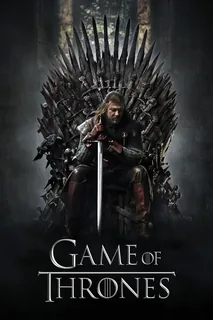
Game of Thrones 2011–2019

Third: the most effective large-scale thematic map, with a crucial willingness to change its established sound.

Action, Adventure, Drama · 60 min episodes

A 86

Ramin Djawadi: familiarity becomes a source of alarm

The opening theme has the obvious strength of making a complicated world feel traversable. Its repeated motion gives the map a sense of machinery, while the melody supplies momentum larger than any one household.

Across the series, recurring material can tell us that a family, allegiance or memory remains present even when a character does not speak about it. This is especially useful in a drama built from separated locations. The music provides connections the characters themselves may not know.

But “Light of the Seven” is the strongest single argument for Djawadi's place here. In “The Winds of Winter,” the piano arrives with an unfamiliar calm as preparations, absences and suspicions begin to align. The unusual sound asks us to listen differently before the plot has disclosed the full mechanism.

Margaery notices that Cersei's absence means something; Lancel crawls toward candles he may be too late to extinguish. The cuts bring us nearer to understanding while leaving the people inside the plan with less time to act. Piano, strings, voices and the later organ build rather than restarting the alarm at each new image. The music's composure makes the sequence feel arranged by someone who is not sharing the victims' panic.

Djawadi has discussed the choice to introduce piano at that point, and his later return to it, in interviews. His broader Television Academy interview is also useful on the score's thematic thinking. The original cue appears on the official season-six album.

My reservation concerns the accumulation of musical importance. In a drama where themes become familiar public objects, a return can feel like a request for recognition: here is the family, here is the loss, here is the moment we have prepared you to applaud. Recognition is satisfying, but it is not always a new dramatic insight.

The best passages avoid that trap by changing what familiarity means. A theme can recall loyalty in one context and expose its price in another. The score is strongest when memory becomes pressure rather than reassurance.

Third place reflects both the scale of that achievement and my preference for the tighter emotional ambiguity of the first two. It does not depend on agreeing with every choice the series makes around the music.

4

Westworld 2016–2022

Fourth: original music that turns repetition into a question about who is allowed to become a person.

Drama, Fantasy, Mystery · 60 min episodes

B 78

Ramin Djawadi: a machine can repeat, and repetition can hurt

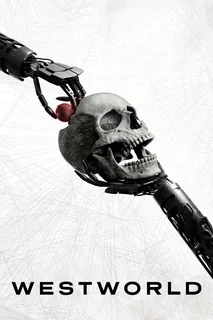
The opening sequence makes the production of bodies and the production of music resemble one another. A player piano performs; forms are manufactured; human-looking movement emerges from a system. Djawadi's original main theme gives that process elegance without making it reassuring.

The most useful element is the tension between pattern and feeling. A repeated phrase can sound like a routine and still begin to resemble longing. That ambiguity belongs to a series in which behaviour can be programmed while the experience of suffering remains real to the person undergoing it.

“Sweetwater” gives the park an inviting, apparently stable musical surface. Other original material, including “This World,” expands the emotional scale beyond the park's promise of entertaining visitors. The official first-season album lets us distinguish those compositions from the arrangements of familiar songs.

The player piano supplies the clearest contrast. Soundgarden's “Black Hole Sun” can inhabit the saloon as apparently ordinary entertainment while its familiar melody tells the audience that this western world contains something from another time. Djawadi discusses that uneasy combination in Berklee's account of the score. The arrangement is his work; the underlying song is not an original Westworld composition. That distinction lets the original main theme be judged for its own achievement instead of borrowing all the covers' familiarity.

His original score supplies a different contribution: continuity of feeling across changes in our understanding of the hosts. A scene initially experienced as part of an attraction can later become evidence of confinement. Musical recurrence helps the earlier meaning remain present while the later one arrives.

The weakness is that the score can confer emotional unity on a narrative whose complexity is becoming less rewarding. As the series expands, a powerful cue may make an event feel momentous before the writing has clarified why it should matter to the people involved.

I prefer the first season's concentration. The relation between loop, memory and selfhood is clear enough for repetition to acquire weight. The score does not have to explain the entire philosophy. It makes us feel that a repeated action may be happening to someone, rather than merely occurring inside a machine.

That is a substantial original achievement, even when the most easily recognised tracks are adaptations of songs written elsewhere.

5

Stranger Things 2016–2025

Fifth: a synth vocabulary whose tenderness is as important as its nostalgia or menace.

Action, Adventure, Drama · 60 min episodes

A 82

Kyle Dixon and Michael Stein: childhood needs a sound beyond the reference

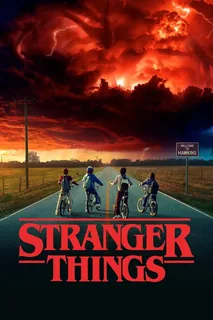
The title cue is an efficient threshold. Its pulse and widening electronic sound make the letters feel like an entrance into a system already running. It offers menace without needing an orchestra to announce the size of the danger.

The danger of judging this score is to stop at the references. Analogue-sounding synthesis and an eighties setting are a recognisable match. Recognition alone would make the music a period accessory. Dixon and Stein do more when the score makes room for vulnerability inside that vocabulary.

“Kids,” in particular, has a lightness that lets childhood exist before it is turned into peril or remembered from adulthood. The pattern feels active and curious rather than simply threatening. The score needs that possibility; otherwise the friends would exist only as people waiting for something frightening to happen.

“Eleven” gives another example of the smaller emotional scale. The music can suggest exposure and uncertainty without treating the character solely as a source of spectacular power. Her capacity to act and her need for care do not have to be scored as the same thing.

The tenderness was part of the assignment. In their Sound on Sound interview, Dixon and Stein describe making themes for the children and Eleven to show that their music could handle sentimental material as well as darkness. Hear how “Kids” lets a repeating pattern remain light and curious, while “Eleven” leaves more of a feeling of exposure. The contrast gives the danger something to threaten beyond an attractive period style.

It is also necessary to separate the original writing from the show's famous licensed-song moments. Kate Bush's “Running Up That Hill” is not a Dixon-and-Stein composition. Its dramatic use may be excellent without establishing anything about who wrote the original score.

My reservation is that the broader musical nostalgia can become a protective layer. A familiar sound may tell us that childhood and friendship are precious before a particular scene has made those relationships feel specific. The quieter writing is more persuasive because it leaves space for the actors and the situation.

I put the score fifth here because I hear a narrower dramatic range than in the first four, not because electronic music is inherently less expressive. Its strongest contribution is that gentleness and dread can come from the same sonic world. The children do not need to leave their musical language behind for the story to become frightening.

Where this comes from: Badalamenti on composing Laura Palmer's Theme · Television Academy interview with Ramin Djawadi · Official Succession season-two soundtrack · Official Westworld season-one soundtrack · Dixon and Stein discuss their music · Ramin Djawadi on Westworld's adventure, unease and player-piano arrangements · Dixon and Stein on composing the children's and Eleven's themes

The return has to change something

Badalamenti is my first choice because the music makes Twin Peaks' incompatible feelings coexist. Britell comes closest through a different combination: grandeur, damage and the absurdity of people trying to inherit both.

Djawadi's two scores show how much context matters. A recurring pattern can map a political world in Game of Thrones and question programmed existence in Westworld. Dixon and Stein make a smaller but valuable claim: electronic sound can protect tenderness without removing threat.

None of these choices rests on the programme's rating or the number of times a theme has been streamed. The test is what happens when the music returns. Does it simply remind us that we liked it, or does it bring the history of what we have watched into the present scene?

The best scores make that history audible. Their melodies are memorable because the drama has changed what remembering them feels like.

← All lists