16 September 2026

The greatest screen actors: sixteen cases worth arguing about

A performance-led ranking, with the scenes that make each case and the limitations a reputation can hide.

16 entries

What makes an actor great is easier to discuss in a scene than across an entire career. Brando gently moves a gun aside while speaking to his brother. Song Kang-ho accepts a rich man's casual remark while his face registers the humiliation. Ingrid Bergman tries to maintain a workable account of herself in front of someone determined to make her doubt it.

Those actions offer more evidence than a list of accents, physical transformations or awards. Preparation matters when it becomes a choice we can see or hear. A convincing character is also a collaboration with the person opposite them, the framing and the edit. “You forget they are acting” is one kind of praise, but visible theatricality can be just as powerful when the role requires someone to perform a self.

This is a preference among sixteen selected actors, rather than a measurement of everyone who has worked on screen. It gives substantial space to American and European cinema, with Mifune and Song opening two different routes beyond that concentration. It leaves out actors who could readily displace these choices. The omissions limit the claim; they are not evidence that the missing traditions lack great acting.

Brando, Day-Lewis and Streep lead my selection. Brando makes a physical response change an intimate confrontation; Day-Lewis makes control take radically different social forms; Streep's range includes people whose authority, need and capacity for pleasure require entirely different kinds of response. She is my first choice among the women here, consistent with the fuller case in the greatest-actress essay.

The order is editorial. The scores concern only the films listed for each actor. They cannot isolate acting or establish consistency across an entire career. The written case rests on choices we can see and hear.

Major endings are left unspoiled where possible, but discussing a performance inevitably reveals something about its direction.

How this is judged

Selected films computed
The combined scores of the films listed for this actor. Context for the selection, not a measure of acting or the basis of this order.

Computed scores come straight from the ratings, so you can check them. Editorial ones are our opinion, and every one comes with the reason for it.

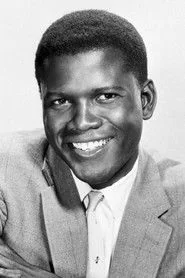
16 Sidney Poitier

Sidney Poitier

Composure is work performed under unequal conditions.

Pictured: In the Heat of the Night (1967)

Virgil Tibbs's professional composure in In the Heat of the Night has immediate stakes. He has to solve a case in a place where the ability to demonstrate competence does not protect him from racist power. Poitier makes restraint active rather than simply dignified.

When Endicott slaps Tibbs, the answering slap refuses the assumption that professional dignity means absorbing whatever a powerful white man does. Poitier's composure has not promised an absence of anger. It gives the retaliation a boundary: the person being addressed is not available for humiliation simply because he is working inside a place that expects it. The bearing around that moment matters as much as the famous act.

The limitations of the roles are part of the argument. Some films require the Black protagonist to be extraordinarily accomplished and controlled before white characters will extend basic recognition. Admiring Poitier need not mean endorsing that requirement.

The achievement is the person he makes inside those pressures. His bearing can express a refusal to become smaller while still revealing how much effort the refusal requires. That is a richer case than treating dignity as a quality he merely brought along.

Selected films computed
77.1/100

In the Heat of the Night 83, The Defiant Ones 77, Guess Who's Coming to Dinner 76, To Sir, with Love 75…

15 Viola Davis

Viola Davis

A woman describes costs somebody else has left out.

Pictured: Fences (2016)

In Doubt, Mrs Miller declines the account of her son's situation that another adult expects her to accept. Davis makes the exchange a negotiation among dangers, not a simple division between a brave truth-teller and a parent who does not understand.

The listening is as important as the reply. She is assessing what the other woman can do for the child and what a principled intervention might cost him. The character's priorities become disturbing because they are practical, not because the performance supplies an easy explanation.

Then watch Rose in Fences. The scale is larger and the accumulated domestic history has another form, but again Davis gives a woman an account of what she has contributed that exceeds the role assigned to her by someone else's story.

The emotional force can be so immediate that it crowds out attention to quieter choices. Those choices build the force. The speech matters because of the preceding work of remaining in a relationship whose terms have not been equal.

Selected films computed
74.8/100

The Help 80, Doubt 75, Fences 74, The Woman King 73…

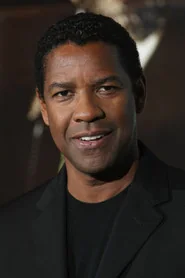
14 Denzel Washington

Denzel Washington

A commanding voice makes trust an active question.

Pictured: Malcolm X (1992)

The attraction of Alonzo in Training Day is an essential part of the threat. Washington gives advice the rhythm of instruction worth hearing, then makes that fluency serve a growing demand for compliance. The rookie's uncertainty becomes room in which the older man can operate.

In Malcolm X, command develops through different periods of a life. The social confidence of the young man, the discipline of the minister and the later adjustments in conviction do not feel like one fixed star quality applied to changing costumes.

His familiarity can make a weaker thriller borrow moral assurance it has not earned. The best films place that assurance under pressure, including when the person he plays is entitled to anger but not to every action the anger might justify.

Watch the moment a listener's response changes his next phrase. The authority feels immediate because it is responsive, even when the character is trying to deny that anyone else has the power to affect him.

Selected films computed
78.4/100

Malcolm X 80, Glory 80, Philadelphia 79, Training Day 78…

13 Katharine Hepburn

Katharine Hepburn

Fluency protects a position without making it secure.

Pictured: The Philadelphia Story (1940)

In The Philadelphia Story, Tracy's fluency is a means of protecting a position. Hepburn makes a polished insult enjoyable while allowing the character's vigilance to show: being admired has not made her relaxed about how she is judged.

The film's pressure on her to become more forgiving deserves questioning. A performance can make a change persuasive without making every demand that produces it fair. Hepburn's force gives that tension substance; she is not merely a figure waiting to be softened.

For contrast, look at the physical and verbal disarray of Bringing Up Baby, or the bargaining between long-married adversaries in The Lion in Winter. The recognisable manner remains, but the relationship to control changes.

A distinctive persona can be mistaken for a narrow range, just as transformation can be mistaken for depth. Hepburn's case rests on what the persona can do inside different arrangements: challenge, lure, defend, wound and occasionally admit that a sentence has failed to keep the speaker safe.

Selected films computed
79.4/100

The Philadelphia Story 83, Bringing Up Baby 82, On Golden Pond 81, The African Queen 79…

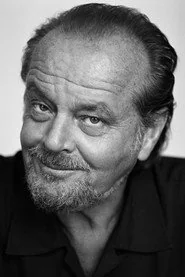
12 Jack Nicholson

Jack Nicholson

Charisma reaches the point where it cannot repair the damage.

Pictured: Chinatown (1974)

Nicholson's charisma can make rebellion look like an adequate explanation of a man. Five Easy Pieces complicates that appeal. Bobby's contempt may expose a suffocating convention while also protecting him from the obligations he keeps abandoning.

The performance is at its most revealing when the witty or aggressive response does not resolve the exchange. Somebody remains hurt; a need remains unaddressed. The charm cannot carry him indefinitely.

In Chinatown, apparent worldly competence is tested against a situation Jake does not control. Nicholson's alertness gives the investigation momentum while allowing confidence to become a liability. A man can be quick enough to notice clues and still misread the world that makes them significant.

The familiar grin can become a shortcut in weaker material. It also gives the stronger films something to dismantle. He earns this place when an entertaining resistance to authority stops being a sufficient moral position and the performance has to confront what the character cannot repair through force of personality.

Selected films computed
81.2/100

One Flew Over the Cuckoo's Nest 89, Chinatown 85, The Shining 82, Five Easy Pieces 77…

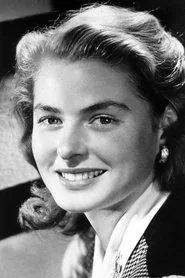
11 Ingrid Bergman

Ingrid Bergman

Being seen is different from having an account accepted.

Pictured: Casablanca (1942)

In Notorious, Alicia has to make herself readable enough to be used and unreadable enough to survive. Bergman lets an expression carry both an immediate social task and a private appeal to someone who may refuse to recognise it.

The performance depends on reactions. An apparent slight does not simply make her sad; she has to decide what can be shown, to whom, and at what cost. The danger is inseparable from the intimacy.

Compare Gaslight, in which the character's confidence in her own perceptions is systematically undermined, then Autumn Sonata, where a mother's polished account of herself encounters a daughter with another memory. Bergman can give emotional distress specificity without making distress the only available quality.

Some roles ask her radiance to supply an innocence the material has not fully examined. Her best work is more difficult than that image suggests. Watch the moments when being admired does not give a woman the power to make her account of events accepted.

Selected films computed
82.0/100

Casablanca 89, Autumn Sonata 84, Notorious 83, Gaslight 82…

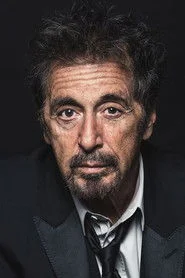
10 Al Pacino

Al Pacino

Speech can buy time; stillness can deny access.

Pictured: Dog Day Afternoon (1975)

Michael Corleone's quiet is a changing condition. Early restraint can look like a refusal to join the family business; later it can mean that other people no longer have access to the decision he has made. Pacino gives similar stillness different social consequences.

The contrast with Sonny in Dog Day Afternoon is striking. Sonny has to speak, improvise and appeal because the room will not remain under his control. Energy is being spent to sustain an authority that can collapse at any moment.

It is tempting to turn the career into a story of early subtlety followed by later shouting. That is a memorable simplification, but volume itself is not the fault. Tony Montana's self-invention calls for conspicuous display; the question is whether a particular film gives the display pressure and consequence.

Pacino belongs here for the relationship between voice and vulnerability. Speech can buy time, stillness can withhold access, and either can expose a person whose wish to command exceeds what the situation permits.

Selected films computed
85.5/100

The Godfather 92, The Godfather Part II 91, Dog Day Afternoon 84, Heat 84…

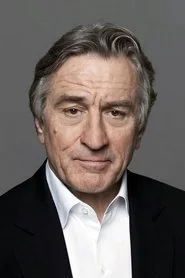
9 Robert De Niro

Robert De Niro

A rehearsed self meets people who will not cooperate.

Pictured: Taxi Driver (1976)

Rupert Pupkin in The King of Comedy rehearses a social world in which the response he wants is already assured. De Niro makes the real exchanges painful through tiny failures of reciprocity: a joke has nowhere to land, a refusal is treated as a negotiable misunderstanding.

Compare Travis Bickle, another man assembling an important version of himself, or Jake LaMotta, who turns insecurity into a claim over the people around him. The similarities are useful because the performances are not identical. Their rhythms of speech, physical confidence and capacities for self-deception differ.

The famous preparation stories are secondary to those distinctions. Weight gained or a job practised does not explain the exact delay before a reply.

The later career needs the same specificity. William Hale in Killers of the Flower Moon uses a friendly, paternal manner to make control look like an interest in other people's welfare. That is a different threat from an intimidating outburst. The familiar objection about repetition fits some vehicles built around the star image, but it should not substitute for watching how his reassurance becomes dangerous in this one.

Selected films computed
85.6/100

The Godfather Part II 91, Goodfellas 88, Raging Bull 85, The Deer Hunter 84…

8 James Stewart

James Stewart

A reassuring manner does not guarantee a harmless desire.

Pictured: Vertigo (1958)

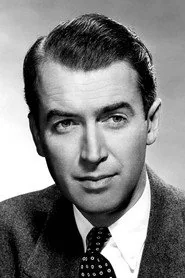
Stewart's hesitation can sound like honesty. That familiar association is one reason Vertigo is so disturbing: a recognisable, apparently sympathetic manner does not prevent a desire from becoming a demand placed on another person.

Watch Scottie explaining a change he wants. The reasonable tone can make the request seem smaller than the authority it assumes. Stewart does not need to discard his public appeal; he allows it to become part of how the character gets heard.

In It's a Wonderful Life, the same vocal and physical resources carry exhaustion, shame and an anger that the film's comforting reputation can obscure. George Bailey's goodness does not make him endlessly patient, and the people near him can receive the cost of his frustration.

The limitation of a beloved screen persona is that viewers may supply virtue before a scene has earned it. Stewart's strongest work uses that expectation, then places it under pressure. He makes an apparently decent man's wish to matter something more complicated than a guarantee of moral reliability.

Selected films computed
85.6/100

It's a Wonderful Life 88, Rear Window 88, Vertigo 86, Anatomy of a Murder 85…

7 Philip Seymour Hoffman

Philip Seymour Hoffman

Attention can offer inclusion or quietly secure control.

Pictured: The Master (2012)

The processing scene in The Master makes listening a struggle over control. Lancaster Dodd's questions invite disclosure while defining the conditions under which the other man may speak. Hoffman can appear patient, amused and predatory without making those states separate demonstrations.

His physical presence matters: ease can promise safety and then become an expectation that the room accommodate him. The bursts of anger are effective because the authority was already being maintained through smaller acts.

Contrast that with Scotty in Boogie Nights. The wish to be included is painfully legible, and Hoffman allows a failed gesture to remain embarrassing without rushing to recover dignity. Both characters want a relationship, but possess radically different means of obtaining one.

The career offers conspicuous transformations, yet the more impressive continuity is attention to people who cannot secure the response they need. At times the emotional detail can feel almost oppressive. The best performances make that pressure belong to the situation rather than to a demand that we applaud the actor's lack of vanity.

Selected films computed
76.2/100

Boogie Nights 81, Happiness 78, Capote 76, Doubt 75…

6 Song Kang-ho

Song Kang-ho

An agreeable response can contain an accumulating injury.

Pictured: Parasite (2019)

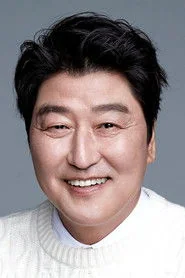
In Parasite, Ki-taek has to remain useful and agreeable while receiving information about the place his employers assign him. Song's face can hold an acceptable public response and an accumulating private injury without asking the scene to pause and explain either.

Under the table in Parasite, Ki-taek cannot supply even the agreeable response his job normally requires. He hears his employer's account of his smell while concealment obliges him to remain silent. Song makes the constraint bodily: the man has been reduced to a position from which a protest would expose his family. The performance keeps the injury particular instead of stopping the film for a general statement about class.

Compare the detective's confidence in Memories of Murder. There, an ordinary social ease can accommodate laziness, intimidation and an unwillingness to admit uncertainty. Familiarity does not make the man harmless.

Song is sometimes praised as though appearing ordinary meant doing little. The ordinariness is constructed through timing and adjustment. The case for his position is that a film can move from broad comedy to moral danger without needing him to announce a new acting mode. The same person remains before us, with a different consequence attached to his habits.

Selected films computed
80.0/100

Parasite 88, Memories of Murder 86, Secret Sunshine 79, Broker 78…

5 Toshirō Mifune

Toshirō Mifune

Physical bearing makes belonging a question of power.

Pictured: Seven Samurai (1954)

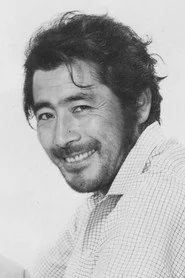
Kikuchiyo in Seven Samurai makes himself impossible to overlook. Mifune's abrupt movement, noise and appetite give the performance comic force, but the bravado also has a social purpose: this man needs to insist on belonging somewhere that may refuse him.

The stolen armour exposes what the display has been protecting. Kikuchiyo expects the discovery to please the samurai; their response turns the apparent joke into an accusation against the farmers. Mifune then makes his knowledge of the farmers' fear break through the bravado. The false claim to samurai status has not erased the life that lets him understand the other side. His volatility changes the scene because it contains a history the pose cannot accommodate.

Now compare the executive in High and Low. The body is contained by a suit, a home and a position that depend on a practical decision with a devastating cost. Mifune's stillness has weight because it contains conflicting obligations.

The samurai image is powerful enough to narrow a viewer's memory of the career. A list that praises only ferocity repeats that narrowing. The range is in the relation between physical bearing and status: who must announce himself, who can wait, and what happens when the room stops recognising his claim.

Selected films computed
86.7/100

High and Low 88, Seven Samurai 88, Yojimbo 87, Red Beard 87…

4 Cate Blanchett

Cate Blanchett

A polished surface can command or cautiously invite.

Pictured: TÁR (2022)

In Tár, authority is partly a manner of moving a discussion onto ground where Lydia controls the terms. Blanchett lets intellectual fluency, genuine musical knowledge and the pleasure of dominating an exchange inhabit the same person.

Her shifts in attention are decisive. Someone with influence receives one quality of interest; someone she can dismiss receives another. The performance does not ask us to choose between recognising ability and recognising abuses of power. The fact that both can be present makes the character difficult.

Compare Carol, where looking and restraint create a much more vulnerable negotiation. An apparently assured woman has to judge how much another person has understood and whether an invitation will be welcome. The polished surface remains; its purpose changes.

Blanchett's precision can also become conspicuous. A viewer may feel invited to admire the construction before becoming involved in the life. The strongest scenes resist that separation because the construction is itself the character's activity: these are people who know that how they appear can determine what they are allowed to do.

Selected films computed
76.6/100

Carol 80, The Aviator 77, Elizabeth 76, Blue Jasmine 76…

3 Meryl Streep

Meryl Streep

Authority changes what a voice and a silence can do.

Pictured: Sophie's Choice (1982)

Miranda Priestly can make another person hurry while barely changing the pace of her own speech. In The Devil Wears Prada, Streep turns an incomplete instruction into work that somebody else must perform. The quiet is a social power, not a general style of understated acting.

Francesca's hand on the car-door handle in The Bridges of Madison County has the opposite problem. She knows what she wants to do and what doing it would interrupt. Streep lets the action approach completion without making the hesitation look like a signal arranged for the audience. The person who commands another life and the person unable to leave her own require different physical rhythms.

Sophie's Choice supplies the harder third case. Sophie can be charming in company without every pleasure becoming an advance notice of trauma. When an account of the past changes, the earlier warmth does not cease to have been real. Streep has to preserve the socially alive woman while making a new disclosure alter what speech costs her.

That breadth puts her third overall and first among the actresses in this selection. It extends beyond accents or changes of appearance: the actor changes how a person receives attention, enjoys it, withstands it or tries to control it. The objection that technique can become conspicuous remains fair. The strongest work makes the technique answer to another person's presence rather than finish explaining the character on its own.

Selected films computed
74.8/100

The Deer Hunter 84, Kramer vs. Kramer 82, Sophie's Choice 76, Doubt 75…

2 Daniel Day-Lewis

Daniel Day-Lewis

Control takes different voices, bodies and social forms.

Pictured: There Will Be Blood (2007)

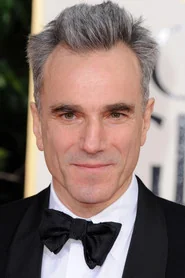
The voice in There Will Be Blood is a public instrument. Daniel Plainview can make an appetite sound like an offer, altering emphasis according to the person he needs to persuade. Day-Lewis lets the effort become visible when persuasion fails and contempt starts replacing the pitch.

Then watch the domestic negotiations in Phantom Thread. Reynolds's demand for an orderly environment may be funny, petty and menacing within the same breakfast. Control is again the subject, but the social texture and physical rhythm are entirely different.

The preparations and changes of body are less useful evidence than those differences in conduct. There is also an argument against the reputation: the intensity can make an encounter feel so strongly organised around one character that the surrounding film has to fight for space. That is a risk of commanding acting, not proof of its failure.

He earns this position through the specificity of a response. Another actor does something unexpected; a face or a voice has to accommodate it, even while the character is trying to remain in command.

Selected films computed
80.6/100

In the Name of the Father 86, There Will Be Blood 85, My Left Foot: The Story of Christy Brown 85, Phantom Thread 78…

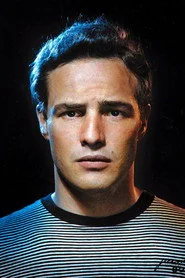
1 Marlon Brando

Marlon Brando

A small gesture changes the terms of an intimate confrontation.

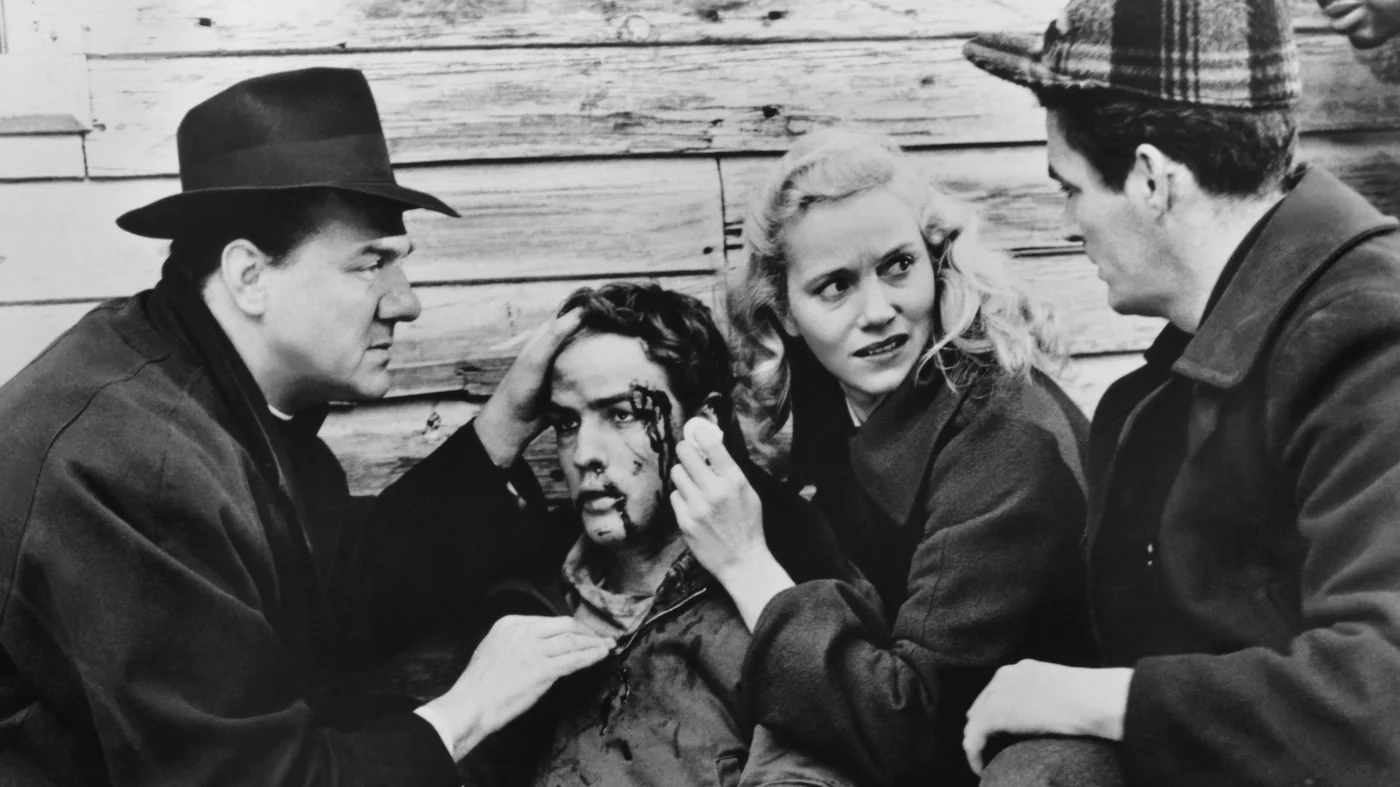
Pictured: On the Waterfront (1954)

Begin with the taxi scene in On the Waterfront. Terry's brother brings a threat into an intimate space, and Brando makes the response disarmingly gentle. Moving the gun aside is almost a request that they stop pretending this is the relationship they ought to have.

The speech is famous, but the pauses and changes of address do its work. Terry wants recognition from the person who has helped deny it to him. Hurt, affection and accusation remain present together. Compare that exposed need with Vito Corleone's controlled generosity in The Godfather, where giving someone attention is part of the exercise of power.

Brando did not invent naturalism, and earlier screen acting was never one uniform theatrical style awaiting his correction. His greatness lies in particular choices, not a convenient before-and-after history. The case against some of the later work is that withholding can become an attraction in itself: the film waits for the star's significance instead of the actor making the relationship clear. At his best, the smallest gesture reorganises the scene.

Selected films computed
83.0/100

The Godfather 92, Apocalypse Now 87, On the Waterfront 84, A Streetcar Named Desire 83…

How to test the ranking

Choose two performances by the same actor in which the character has a different amount of power. Compare who initiates an exchange, how a refusal is received and what the actor does while listening. The contrast often reveals more than a change of accent or appearance.

Then challenge the selection. Liv Ullmann, Tony Leung, Isabelle Huppert, Setsuko Hara and Irrfan Khan would all lead to different arguments about what screen acting can do. They deserve to be explored through work rather than acknowledged only as names missing from somebody else's list.

The point of ranking actors is to make a preference answerable to evidence. If a reputation sends you back to a scene and you can identify the choice that makes it live, the argument has already become more useful than the number.

← All lists