29 September 2026
Hans Zimmer vs John Williams: what their best scores actually do
Interstellar, Jaws, Pirates and E.T. tested across five rounds: Williams wins 2–1, with two draws and Zimmer's strongest countercases.
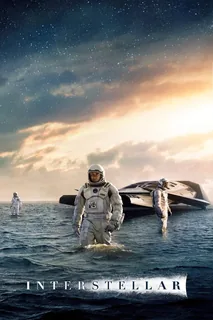
In Interstellar, Cooper comes back from a short visit to another world and watches messages from children who have grown older without him. The scientific premise has become an irreversible family loss. Zimmer's music helps make distance something the body can feel.
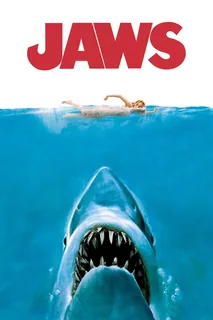
In Jaws, Williams can do the opposite with almost nothing: a brief repeated figure makes an ordinary stretch of water feel occupied. The shark may be absent from the image, but the surface has stopped being reassuring.
Both are exact dramatic solutions. A comparison that gives Williams the tunes and Zimmer the noise misses the economy of Jaws, the melody in Interstellar and the work their scores do between the famous moments.
Williams wins these five rounds by two edges to one, with two draws. His advantages are melodic development and emotional point of view. Zimmer takes sound and identity. Timing and demonstrated range are level. The strongest case against the result is written into each round.
An edge is one editorial vote; a draw awards neither a vote. There are no /10 quality grades or film-rating averages to add into another result. The categories overlap in practice: a musical idea can change both the pace of a sequence and our sympathy for the person inside it.
The Morricone comparison asks the same five questions but turns on different scenes. Here the central question is how melody, repetition and texture organise a viewer's attention across changing action.
Major spoilers follow for Interstellar, E.T., Empire of the Sun and other films discussed below.
Hans Zimmer
Repetition and texture make duration emotionally physical.
Zimmer can make a repeated pattern change the apparent weight of an action. The individual notes may remain simple while new layers turn waiting into pressure, a journey into separation or a practical manoeuvre into a desperate commitment.
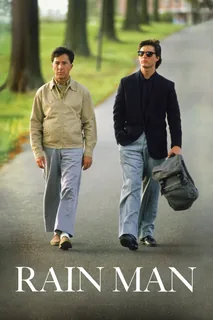
That gift extends beyond huge action scores. The softer electronic world of Rain Man and Davy Jones's lament deserve a place beside Dunkirk. The weakness is insistence: a passage can become so determined to sustain intensity that it leaves too little distinction between a difficult task and a small human hesitation.
John Williams
A preference grounded in dramatic flexibility.
Williams gives a musical idea enough shape to be remembered, then finds new dramatic uses for the recognition. A theme can survive a change of mood without losing its identity.
He also knows how much a small gesture can do. Jaws does not need an elaborate melody to establish danger. The limitation is the assurance of the emotional voice: music can make a response seem inevitable before a scene has earned it. The strongest work lets a returning idea contain what the people have experienced.
-
Round 1
Melody and development
editorialOne editorial vote for an edge.
How a musical idea acquires meaning as a film returns to it, rather than how many people can name it.
Hans Zimmer CountercaseDavy Jones in Pirates of the Caribbean: Dead Man's Chest should end the claim that Zimmer cannot write a tune. The music-box delicacy and the larger organ statement make recognisable melodic material carry both private hurt and a terrifying public presence.
That contrast matters to a character whose authority cannot cure his attachment. The same identity can seem vulnerable or monstrous depending on how it is voiced. Texture develops the meaning of a melody instead of replacing it.
Interstellar offers a different defence. Its recurring material remains legible through changes of register, density and scale; a listener does not need a conventional fanfare to recognise its return.
Williams gets my narrow preference for the interaction of more distinct melodic identities in the selected adventure writing. But the Jones example makes the disagreement useful: Zimmer has chosen a concentrated relation between melody and sound, and the concentration can be emotionally exact.
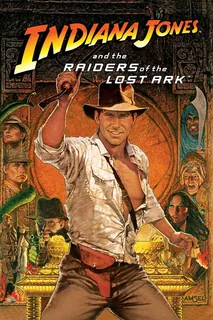
John Williams takes it EdgeRaiders of the Lost Ark gives movement a confident identity without assigning every feeling to the march. Marion's theme creates another melodic centre, allowing attachment to occupy a different shape from the adventure's public swagger.
The distinction gives the score room to turn. Indiana Jones may be resourceful in pursuit and much less fluent in a relationship. Recognisable musical identities help the film move between those versions of the man without requiring him to explain the difference.
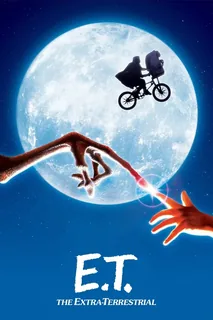
E.T. makes a related strength more intimate. Music associated with the extraordinary visitor must eventually carry Elliott's acceptance that he cannot keep him. Recognition allows the farewell to retain the adventure inside the loss.
I give Williams the edge for this melodic differentiation and development across the examples. Zimmer's Davy Jones material is a serious countercase, not an exception to be dismissed so that Williams can win by reputation.
Edge: John Williams. Williams, narrowly. His adventure writing makes distinct melodic identities work together; Davy Jones is Zimmer's strongest answer here.
-
Round 2
Sound and identity
editorialOne editorial vote for an edge.
How voices, instruments and textures give the film a world the image alone would not supply.
Hans Zimmer takes it EdgeThe organ in Interstellar can suggest an immense space while remaining attached to a parent's need. Its sustained presence makes the environment feel capable of exceeding a human life. The sound is large, but the demand inside it is often painfully small: get back to someone, hear another message, make a missed life recoverable.
During the docking sequence, repetition and accumulating force turn a precise physical manoeuvre into a commitment with almost no room left for revision. The sound does not merely celebrate an impressive image. It helps make continuation feel compulsory.
The weakness is audible in the same language. A sustained escalation can reduce the space between different feelings until uncertainty, grief and excitement all arrive at comparable intensity.
Zimmer still takes the round. In these scenes, the colour and behaviour of the sound are inseparable from the film's account of time and distance. The organising idea is more particular than volume.
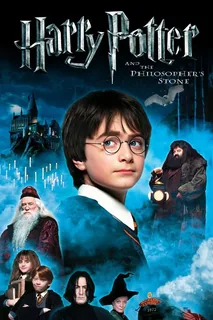
John Williams CountercaseHedwig's Theme in Harry Potter and the Philosopher's Stone begins with a sound whose lightness contains unease. The celesta does not make magic merely comfortable; its exposed, delicate quality leaves room for something unfamiliar to feel inviting and strange at once.
Jaws builds another world through register and repetition. A small figure below the activity of the beach makes water seem to conceal a purpose. Sound character is doing narrative work before a large melody is required.
These are strong answers to the claim that Williams only supplies a luxurious orchestral surface. He can establish a world through a very limited set of colours.
I nevertheless prefer Zimmer here because Interstellar lets the behaviour of the sustained sound become a continuing condition of the scene. Williams's examples locate an identity with exceptional economy. Zimmer's strongest example makes the space around the identity feel changed.
Edge: Hans Zimmer. Zimmer. Interstellar makes the organ's sustained presence part of how scale, pressure and separation are experienced.
-
Round 3
Dramatic timing
editorialA draw gives neither composer a vote.
How the score begins, develops, withdraws and releases a scene's pressure.
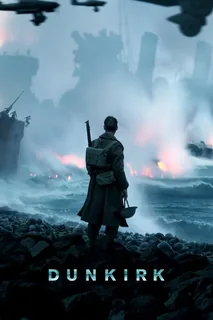
Hans Zimmer DrawDunkirk repeatedly cuts away from a situation before the people inside it are safe. The score helps a change of location feel like the continuation of a danger rather than permission to relax.
That is a substantial timing achievement. The beach, the civilian boat and the aircraft do not share the same practical task or duration. Musical pulse and accumulating pressure make their separate demands bear on the audience together.
The score is working with engines, weapons, water and the edit. WaterTower's credits identify Hans Zimmer's composition alongside the wider music team; the result should not be assigned to a single isolated hand.
I put this level with Jaws because sustained pressure and sharply withheld pressure solve different problems. Dunkirk risks fatigue when urgency becomes too uniform, but its strongest passages make a cut across space intensify the need for rescue instead of interrupting it.
John Williams DrawJaws makes the return of its small threatening figure change the way we inspect water. Absence matters too. The score does not give every disturbance the same degree of authority, leaving the audience to negotiate a difference between what a character fears and what the film is allowing us to anticipate.
The later hunt also contains a more buoyant adventure voice. The men can feel that they have turned pursuit into an organised task. The music helps that confidence become available before the shark makes their arrangements look inadequate.
That contrast is part of timing: the score can grant an apparent mastery so that losing it has force. It does not have to maintain one continuous warning to keep the threat alive.
The round is a draw. Williams uses contrast to sharpen a return; Zimmer connects changing spaces through pressure that refuses to finish. Neither method is the universal answer to suspense.
Draw. Draw. Jaws controls anticipation through contrast; Dunkirk sustains pressure across changing locations.
-
Round 4
Range in the chosen examples
editorialA draw gives neither composer a vote.
Different dramatic tasks demonstrated here, rather than a count of every film in either career.
Hans Zimmer DrawRain Man is the necessary change of scale. Its electronic textures can give travel a suspended, gently buoyant quality rather than making every mile feel like progress toward a climax. The journey is allowed a musical space outside Charlie's usual impatience.
Set that alongside Davy Jones's private lament and the relentless demands of Dunkirk. The composer has not used one emotional size for every assignment. Familiarity with the monumental scores can obscure how much the smaller work changes the account.
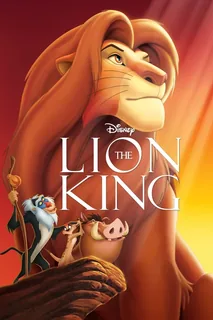
The Lion King is also relevant, with the credits intact. Its songs by Elton John and Tim Rice, Zimmer's score and Lebo M.'s vocal and choral contributions are connected achievements, not interchangeable evidence of one person's authorship.
I call the round level. Williams's contrasting examples demonstrate comparable adaptability. A selection can show several solutions without pretending to be a complete survey of either career.
John Williams DrawCatch Me If You Can lets pursuit move with saxophone-led agility. The pleasure is slippery: the lightness fits a man good at escaping an identity and less capable of finding a durable one. Musical fluency does not guarantee that the life beneath it is secure.
Compare that with the patient terror of Jaws and the fragile, luminous colours around magic in Harry Potter. These scores organise attention differently. Their shared orchestral craft does not make their emotional tasks identical.
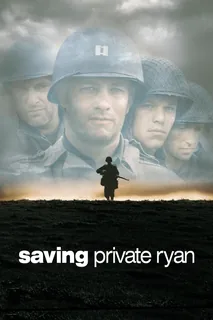
There is an important limit to a contest like this. The absence of continuous music can be a decision as exact as a conspicuous theme. Gary Rydstrom's account of Saving Private Ryan describes battle scenes left to effects rather than music. That is a collaborative choice, not a solo composition credit for silence.
The examples support a draw. Neither composer needs another genre name attached to the paragraph to prove that one familiar style is not the whole practice.
Draw. Draw. Rain Man and Davy Jones complicate Zimmer's blockbuster image; Williams's comic agility and quieter writing answer his.
-
Round 5
Emotional point of view
editorialOne editorial vote for an edge.
Whose feeling the music carries, and whether it complicates what the image appears to offer.
Hans Zimmer CountercaseThe messages in Interstellar turn time dilation into the sight of children who no longer need the father in quite the way he remembers. Cooper's own experience has not prepared him for the lives that continued in his absence.
Zimmer's score allows the family feeling to occupy the same scale as the journey. The organ and recurring material can make the loss feel immense without requiring a speech about the importance of a private relationship to the universe.
That is his strongest argument against my verdict. The weakness comes where musical insistence leaves less room for a viewer to discover the feeling at a different pace. An enormous response can become the expected response.
I give Williams the narrower edge for the divided perspective in Empire of the Sun. Zimmer's scene makes one person's loss overwhelming; Williams's example lets a boy's genuine exhilaration remain open to an adult audience's unease.
John Williams takes it EdgeWhen Jim watches the American aircraft attack in Empire of the Sun, the music permits a surge of exhilaration. His delight in the machines is convincing even though the setting makes delight a disturbing response to destruction.
The score does not need to mock him to expose the problem. We can share the attraction and recognise what his perspective cannot fully hold. The distance between the boy's excitement and the audience's wider understanding gives the feeling a complication beyond simple heroic approval.
Jurassic Park makes a quieter version of that distinction. Wonder at the animals can remain legitimate while the commercial authority offering access to them proves disastrous. An emotional invitation need not endorse every institution surrounding it.
Williams takes this round for allowing a feeling to remain powerful while the film questions the position from which it is felt. The edge is close because Interstellar makes the cost of an absent parent's ambition equally hard to dismiss.
Edge: John Williams. Williams, narrowly. Empire of the Sun lets exhilaration remain emotionally convincing while the scene makes its perspective troubling.
The result
John Williams wins, 2 rounds to 1.
Computed rounds come straight from the ratings and can change hands as new ratings arrive. Editorial rounds are our opinion, with the reasoning for both sides.
Where this comes from: Deutsche Grammophon: Gladiator, Hans Zimmer and Lisa Gerrard · The Dark Knight soundtrack: Hans Zimmer and James Newton Howard · Lisa Gerrard: official biography and Gladiator collaboration · Disney: The Lion King songs, score and vocal contributors · WaterTower Music: Interstellar expanded soundtrack and track listing · WaterTower Music: Dunkirk composition and music production credits · Gary Rydstrom interview: the unscored main battle scenes in Saving Private Ryan · Walt Disney Records: Dead Man's Chest score by Hans Zimmer, including Davy Jones
Williams wins 2–1, with two draws
Williams takes melody and emotional point of view. Zimmer takes sound. Dramatic timing and range are draws.
My preference comes from what happens after the first memorable statement. Williams can make a theme remain recognisable while a relationship, an expectation or our position toward a character changes. The E.T. farewell and Jim's exhilaration in Empire of the Sun make that strength matter in different ways.
Zimmer's best reply is Interstellar. The music can join a parent's immediate pain to an inhuman scale without making the private feeling seem trivial. If that is the quality you want most from a score, his single winning round may matter more to you than the final tally.
Listen to the differences inside the films
Pair the rotating-station docking sequence in Interstellar with the final pursuit in Jaws. Follow how repetition keeps an objective alive while the physical situation changes. Then put Davy Jones's private musical identity beside the adventure music in Raiders of the Lost Ark. Zimmer's melodic countercase is much stronger than the usual argument admits.
For a quieter test, compare Rain Man with Catch Me If You Can. One makes a journey feel temporarily removed from Charlie's usual impatience; the other lets a pursuit remain agile while the man being pursued cannot settle. Neither needs monumental volume to establish a point of view.
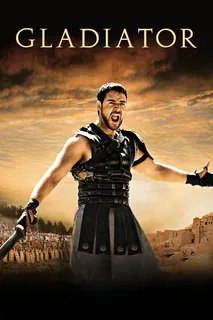
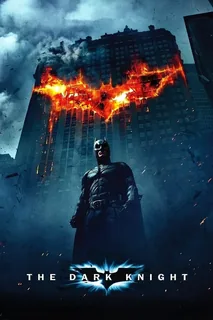
A final credit matters to the whole argument. Gladiator is credited to Hans Zimmer and Lisa Gerrard, and The Dark Knight to Zimmer and James Newton Howard. Those films belong in a discussion of Zimmer's work, with the collaboration attached. A famous name should help us follow the music, rather than make the other names disappear.