29 September 2026
John Williams vs Ennio Morricone: what the music changes
From E.T.'s farewell to Harmonica's revenge: five scene-based rounds, a drawn scorecard and the case for a personal preference.
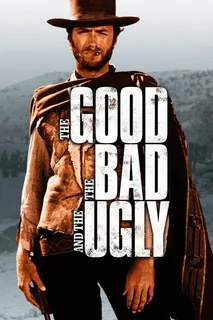
Tuco runs through the cemetery in The Good, the Bad and the Ugly. He is looking for a grave, but the circling camera, his accelerating movement and Morricone's The Ecstasy of Gold make the search feel much larger than a practical task. Greed briefly acquires the grandeur of a religious experience. The music makes us share the appetite before we have time to disapprove of it.
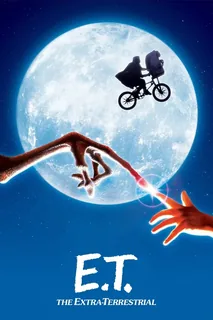
The last movement of E.T. asks Williams to do something different. The children must escape, Elliott must accept a departure, and a visitor must become a memory. The score moves among pursuit, exhilaration and grief without letting the farewell feel like an unrelated scene attached to the chase.
These are the achievements I want to compare: Morricone's power to enlarge and unsettle an image, and Williams's precision in moving between the feelings a sequence requires. Each can do the other's job. The interesting differences appear when a particular passage makes one approach indispensable.
The five rounds finish level: one edge each and three draws. I personally choose Williams, chiefly for the dramatic timing discussed below. That preference goes beyond an equally weighted tally; the tally itself remains a draw.
Each edge is one editorial vote. A draw gives neither composer a vote. The labels describe the argument in that round, rather than assigning a quality grade to an entire career. The same questions guide the Zimmer–Williams comparison, with different scenes and a different result.
Major spoilers follow, especially for Once Upon a Time in the West, E.T., The Mission and Once Upon a Time in America.
John Williams
A preference grounded in dramatic flexibility.
Williams makes a musical return feel like recognition with a history. The same material can carry anticipation, delight or loss because the film has changed what we know about it.
His most persuasive work also changes scale. The tiny threat in Jaws and the expansive farewell in E.T. are different answers to different dramatic needs. The danger is a kind of emotional fluency that can settle our response too quickly. His best scores earn the invitation through the scene.
Ennio Morricone
A sound can carry the history an image withholds.
Morricone can make the sound itself an event: a whistle, a cry, an abrasive attack or a lyrical line that refuses to stay politely behind the image.
The westerns make that gift conspicuous, but The Mission and Once Upon a Time in America reveal how much tenderness and moral unease it can carry. The music often gives a desire room to expand until it becomes uncomfortable. Its beauty deserves attention to the person whose feelings it allows us to inhabit.
-
Round 1
Melody and development
editorialA draw gives neither composer a vote.
How a musical idea acquires meaning as a film returns to it, rather than how many people can name it.
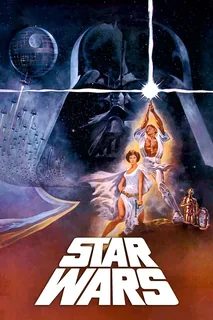
John Williams DrawThe Force theme in Star Wars is more than a label for an invisible power. When Luke looks at the two suns, its rise gives his frustration a scale his circumstances cannot yet support. The music supplies the possible life before the young man has found a route into it. Later associations have that first longing behind them.
E.T. offers a more intimate test. Musical material associated with wonder has to survive the knowledge that Elliott cannot keep his friend. At the farewell, recognition hurts because the adventure has acquired an ending. The melody does not need to become unrecognisable to perform a new emotional task.
That capacity is Williams's strongest claim here: a theme remains available to memory while the relationship changes. But familiarity alone cannot win the round. Morricone's use of the harmonica makes recurring identity carry an equally exact burden, with the explanation withheld until almost the end.
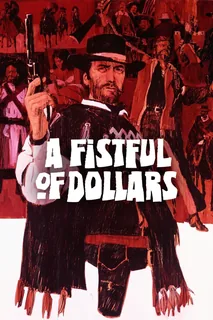
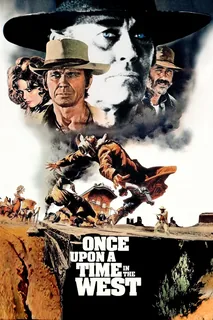
Ennio Morricone DrawIn Once Upon a Time in the West, the harmonica initially seems to announce an enigmatic stranger. Its sound is too insistent to be merely a handy signature. Something unresolved appears to enter the scene with the man.
The final confrontation reveals the childhood cruelty behind it. Frank placed the instrument in the boy's mouth while forcing him to support his brother's body. The sound has been carrying a history of helplessness that the adult's controlled manner conceals. Recognition becomes an accusation.
This is melodic identity used as delayed knowledge. It answers Williams's ability to let a theme accumulate attachment with the ability to make a familiar sound disclose what we have failed to understand.
I leave the round level. The two-sun scene opens a future through music; the harmonica eventually closes the distance to a past. Both make a return change what the audience is hearing.
Draw. Draw. Williams makes a theme carry attachment forward; Morricone can make its return reveal what attachment has concealed.
-
Round 2
Sound and identity
editorialOne editorial vote for an edge.
How voices, instruments and textures give the film a world the image alone would not supply.
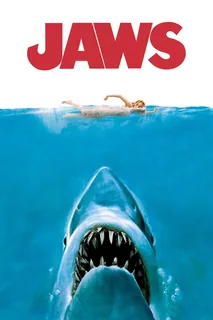
John Williams CountercaseJaws needs only a small repeated movement to make unseen water seem occupied by an intention. The orchestra's lower register matters as much as the brevity of the idea: the threat feels beneath the ordinary activity of swimming.
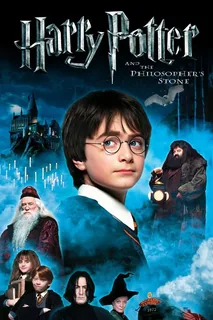
The celesta colour associated with Hedwig's Theme in Harry Potter and the Philosopher's Stone offers a different kind of estrangement. The lightness can invite curiosity without making the unfamiliar entirely safe. Williams's orchestral language contains fragile and uncanny sounds as well as triumphant brass.
These examples give him a substantial countercase. A recognisable sound need not be abrasive to alter a world. I still prefer Morricone here because the mixture of human voice, whistle and electric colour in the westerns more persistently determines what sort of place we think we have entered. Williams is often exceptionally exact inside an established dramatic language; Morricone more often makes us negotiate a strange one.
Ennio Morricone takes it EdgeThe opening identity of The Good, the Bad and the Ugly makes a cry into something between a musical phrase and an animal call. Different instrumental colours separate the central figures without turning the frontier into a comfortable orchestral landscape.
That roughness does not prevent the score from becoming lyrical. It gives the later expansion somewhere to travel from. By the time a voice rises over Tuco's cemetery search, the human sound can feel ecstatic because the film has already admitted cries, whistles and harsh attacks as part of its musical vocabulary.
The effect is also comic. A western populated by these sounds can be threatening and faintly absurd at the same time. Morricone does not have to choose one stable tone for the whole genre.
That is the edge: the ingredients create an identity for the film before they have explained a character's feelings. Williams has striking timbres; Morricone makes their apparent incompatibility productive.
Edge: Ennio Morricone. Morricone. The western sound world makes voices, whistles and rough instrumental colours central to the film's identity.
-
Round 3
Dramatic timing
editorialOne editorial vote for an edge.
How the score begins, develops, withdraws and releases a scene's pressure.
John Williams takes it EdgeThe final escape and departure in E.T. has several endings to manage. The immediate pursuit must release; Elliott's separation from his friend must become possible; the spaceship's departure must leave something behind rather than simply conclude the spectacle.
Williams lets those stages occupy different musical sizes. The bicycle flight can expand without exhausting the farewell in advance. The quieter exchanges are not merely gaps while we wait for the large statement to return. Their reduced scale lets the eventual release contain a personal loss.
The strongest counterexample is the danger of insistence: expansive music can arrive at a feeling before an audience is ready to share it. Here the sequence keeps making practical and emotional demands that justify the changes.
I give Williams this round for that sustained adjustment. Morricone's cemetery search is extraordinary, but E.T. asks the music to turn between more kinds of need inside one continuous final movement.
Ennio Morricone CountercaseThe Ecstasy of Gold gives Tuco's search an accumulating momentum that the action alone could not sustain for the same duration. Repeated motion becomes anticipation; the rising musical intensity makes the next grave seem capable of delivering everything.
The great achievement is permission to wait. We are allowed to remain inside a desire instead of having the scene hurry toward the useful information. Leone's camera, the editing, Eli Wallach's movement and the score build that duration together.
It is a formidable answer to Williams, and I would choose it for the particular task of making obsession occupy time. My preference for E.T. concerns the greater number of emotional turns its concluding sequence carries without breaking its arc.
The verdict is close because timing is not a contest to see who changes mood most often. Morricone makes the relative refusal to change the point. Williams gets the edge for the flexibility demonstrated by the paired sequence.
Edge: John Williams. Williams, narrowly. E.T.'s final movement gives changing dramatic needs distinct musical space without losing the larger arc.
-
Round 4
Range in the chosen examples
editorialA draw gives neither composer a vote.
Different dramatic tasks demonstrated here, rather than a count of every film in either career.
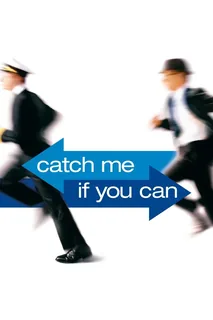
John Williams DrawCatch Me If You Can changes the scale of the comparison. Its saxophone-led agility gives evasion a stylish surface without promising that the man performing it has found a secure place to live. The music can move lightly around a character who is always trying another identity.
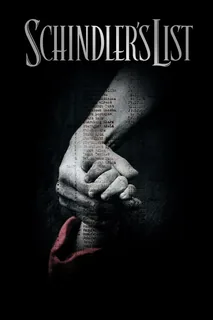
Set that beside the low threat in Jaws, the exposed lyricism of Schindler's List and the departing wonder of E.T. The differences concern what the score asks us to attend to: an unseen predator, an individual voice, a relationship or a slippery social performance.
There is a recognisable composer across those solutions, but recognition has not made the solutions interchangeable. A fanfare would be the wrong measure of the quieter work.
I call range a draw because Morricone offers equally persuasive changes of task. This is a test of the examples, not an attempt to count enough genres to declare a career complete.
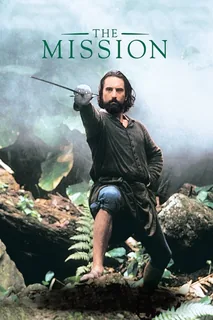
Ennio Morricone DrawThe oboe encounter in The Mission asks a melody to become an attempt at contact. Gabriel plays while facing people with whom he has no shared spoken language. The music belongs to a precarious exchange before it becomes a statement with a larger religious and historical burden.
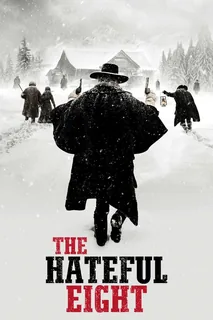
The Hateful Eight moves toward suspicion instead of welcome. The low, repeated menace surrounding the snowy journey makes the landscape feel less like an open western possibility than an approach to entrapment. Its original Morricone material is documented by Decca alongside the soundtrack's songs and dialogue.
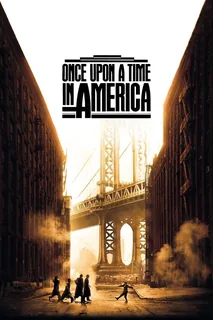
Once Upon a Time in America supplies another task again: lyrical memory can give longing a beauty that the person doing the remembering does not morally deserve.
Those changes are enough to reject the idea that the western signature defines his limits. Williams's examples are comparably varied. Neither needs a manufactured deficit to make this comparison competitive.
Draw. Draw. The selected films demonstrate different dramatic solutions from both composers; neither career is represented adequately by its most famous genre.
-
Round 5
Emotional point of view
editorialA draw gives neither composer a vote.
Whose feeling the music carries, and whether it complicates what the image appears to offer.
John Williams DrawThe first dinosaur reveal in Jurassic Park gives the adults permission to become astonished children. Their expertise temporarily falls away. The theme makes the encounter feel worthy of wonder before the story exposes the commercial confidence that has packaged it.
The distinction matters: the animals do not become less extraordinary because Hammond's system fails. The score's first invitation can remain valid while the institution offering it becomes indefensible. We can cherish the encounter and distrust the arrangements that made it available.
The risk is that musical assurance will make the film's judgement seem settled too early. The scene is fortunate to have performers whose astonishment gives the eloquence a human focus.
Morricone's Once Upon a Time in America creates a more abrasive problem of beautiful feeling attached to a compromised perspective. I do not think Williams's humane directness or Morricone's discomfort makes either the automatic winner.
Ennio Morricone DrawDeborah's Theme in Once Upon a Time in America gives remembered longing an extraordinary tenderness. That tenderness becomes troubling when the film forces us to confront Noodles's violence and his wish to possess the person he claims to love.
The beautiful feeling is real as feeling. It does not make his account of himself trustworthy. This is where the score becomes more interesting than a shorthand about romantic music: the spectator has to distinguish the force of a memory from the moral innocence of the man holding it.
There is a risk that the lyrical scale will encourage us to forgive what the images require us to judge. I find that tension productive, while recognising that another viewer may find the film too indulgent toward him.
The round is level. Williams can preserve wonder after faith in an institution has failed; Morricone can make longing survive an appalling revelation about its owner. Both cases require us to listen critically as well as feel.
Draw. Draw. Both make beauty emotionally persuasive while leaving room to question the position from which we hear it.
The result
It's a draw on rounds.
Computed rounds come straight from the ratings and can change hands as new ratings arrive. Editorial rounds are our opinion, with the reasoning for both sides.
Where this comes from: Andrea Morricone: official biography and Cinema Paradiso Love Theme credit · John Williams: Escapades from Catch Me If You Can, alto saxophone score · Gary Rydstrom interview: music withheld from battle scenes in Saving Private Ryan and War Horse · Decca: original Morricone compositions and other music on The Hateful Eight soundtrack
A drawn scorecard; my preference is Williams
Morricone takes sound and identity. Williams takes dramatic timing. Melody, demonstrated range and emotional point of view are draws.
Williams is my personal choice because I value how a score changes its size inside a sequence. E.T. can run, soar, stop to listen and finally let someone leave. The music's generosity includes those changes of demand. My preference concerns that flexibility, rather than a claim that an equally weighted scorecard has somehow declared him the winner.
Morricone's strongest answer is the final Harmonica confrontation. A sound we have lived with becomes the evidence of an injury. The revelation does not simply solve a mystery; it makes every earlier appearance of that sound harder to hear innocently. For that particular achievement, I would choose Morricone without hesitation.
Three comparisons worth hearing with the picture
Start with The Ecstasy of Gold and the final escape and farewell in E.T.: one makes a single desire expand, while the other carries us through changing desires. Then compare the first oboe encounter in The Mission with the shark music in Jaws. Both begin with a small musical idea that changes how we read a physical space.
Finally, put Jill's arrival in Once Upon a Time in the West beside the first dinosaur reveal in Jurassic Park. Ask whom the grandeur belongs to. A town being built and a commercial attraction can both look magnificent; the music helps establish why losing faith in either world will matter.
A credit worth keeping straight: the celebrated Love Theme from Cinema Paradiso is Andrea Morricone's composition. Ennio's achievement needs no borrowed evidence. The cases here rest on the music attributed to each composer, heard in the films that give it a dramatic purpose.