
Skyler White
A strong character whose complicity deserves criticism—and whose resistance to Walt is too easily treated as the offence.
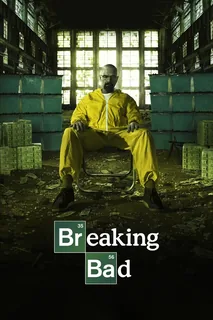
Pictured: Breaking Bad (2008–2013)
Being inconvenient to Walt is not a moral failing
The series gives us privileged access to Walt. We know where he has been, why he needs another explanation and what danger is approaching. Skyler receives the evasions. An audience already invested in the criminal plot can experience her questions as a delay.
That feeling is understandable as a response to suspense. It becomes a poor ethical judgement if the delay itself is treated as evidence that she has behaved badly. A spouse does not become unreasonable because the audience knows the lie she is investigating.
The contrast is especially clear around Walt's account of provision. His criminal life can be discussed through necessity, pride, illness and humiliation. Skyler's anger is sometimes assessed as though it needs no context at all. The analysis has changed scale between characters.
The rehearsed gambling story gives the viewing problem a sharper test. Skyler's precision is enjoyable when it helps the cover work: she can anticipate a question, correct Walt and keep an explanation plausible. The same attention felt obstructive when it was directed at exposing his lie. The contrast does not require us to excuse her participation. It asks whether our pleasure has started to depend on her becoming useful to the crime.
Her later conduct still needs to be judged. In “Rabid Dog,” fear for the family helps her contemplate Jesse's killing as a solution. That is a serious choice. The chronology matters: responsibility for making it does not retrospectively turn her early questions about Walt's absences into hypocrisy. She has moved into a different moral position, under conditions the earlier Skyler could not yet know.
Anna Gunn's public account of hostility towards her establishes that some responses crossed into personal abuse. That fact should remain distinct from criticism of an episode or a fictional choice. Abuse is not made more analytical by calling it passionate fandom.
A fairer complaint about the early writing is that Skyler has less independent interior space than Walt. We often encounter her through the questions his secret creates. Later episodes give Gunn more opportunity to make the effort of maintaining appearances visible.
I find Skyler's trajectory coherent because competence does not save her from the moral conditions of the work she is doing. She can understand laundering better than Walt and still misunderstand the possibility of containing his ambition.
For the full argument, including Ted, the children and the “Ozymandias” phone call, see our Skyler essay. The point here is narrower: criticism becomes useful when it names the choice. “She is annoying when Walt needs to act” has not yet done that work.
Anna Gunn in Breaking Bad
Breaking Bad 2008–2013