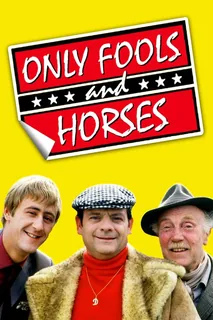
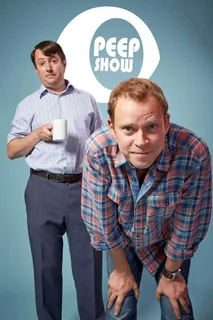
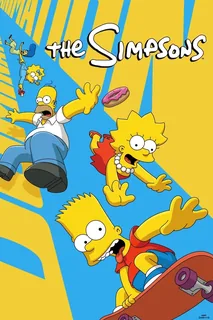
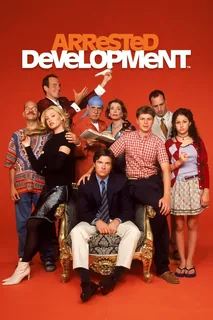
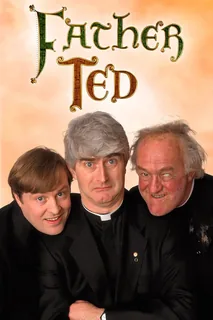
The American Office, Rick and Morty and Only Fools and Horses share a saved IMDb rating of 9.0 here. That agreement in a number does not tell you whether you want workplace embarrassment, abrasive science fiction or a family scheme in Peckham. The practical choice begins where the average stops explaining.
This page ranks twenty-five comedy series from our catalogue by their recorded IMDb series rating. It includes animation and some programmes that also have substantial dramatic or serial stories. It is not IMDb's official Top 250, a live scrape or a complete ranking of every sitcom ever made.
Editorial edition: 30 October 2026. The scores have differing collection histories; this date is not a shared capture date. Use the figures as saved references and open the original title page if you need its current result.
What IMDb's number means
IMDb publishes a weighted user rating, rather than simply displaying the arithmetic mean of every submitted vote. Its ratings FAQ also distinguishes a series rating from the ratings of its individual episodes: the series figure is not an average assembled from episode scores.
That difference matters for a long-running comedy. A show can contain a remarkable season and a weaker later stretch without the series number telling you how each contributed to a particular voter's judgement. We do not know that every voter has seen the same amount.
The count of recorded votes helps describe the basis of a score. It does not count everyone who watched, and it should not be treated as a count of people equally represented across different sources.
Three 9.0 ratings with different amounts of evidence
| Programme | Saved IMDb rating | Recorded IMDb votes |
|---|
| The Office (2005) | 9.0/10 | 854,849 |
| Rick and Morty | 9.0/10 | 715,759 |
| Only Fools and Horses | 9.0/10 | 67,070 |
The three share a displayed score; the recorded source count supplies their reading order. That rule does not make the American Office a better comedy than Only Fools and Horses. It makes a tie reproducible. Eligibility also required at least 100 recorded IMDb votes and 5,000 ratings and reviews across the catalogue sources. The larger cross-site total does not enlarge IMDb's own sample.
Read ties as ties
Several series share a displayed rating. Their positions within that group should not be interpreted as evidence that the first is artistically superior to the next. The decimal is already a rounded public summary of many responses.
The MEANRANK column offers a broader combination of the sources we hold, with IMDb included. It is therefore not “what everyone else thinks” in contrast to IMDb. Source coverage varies by programme, and changing the ingredients can alter the combined figure.
The short notes below focus on a more useful distinction: what kind of experience the score is inviting you to investigate. For longer criticism, follow the live-action sitcom guide, British and Irish selection or animated sitcom guide.
Episode examples contain spoilers. The notes distinguish starting points, recurring methods and changes across a run; they do not infer the motives of the people who cast the votes.
Turn the archive into a decision
Begin by choosing a tone: abrasive, affectionate, intricate, physical or serial. Then ask whether you want an episode that can stand alone or a story whose changes accumulate. Mr. Bean and BoJack Horseman make that distinction especially clear despite sharing a broad comedy shelf.
Check the original title and start year where a remake or revival is involved. For a long run, read about an era or season rather than assuming the overall figure makes an equally strong claim for everything.
The most useful result is a shortlist you can explain. “I want a farce built through small lies” points toward a real preference. “I want whatever has another tenth of a star” asks the archive to answer a question it does not contain.